

Innovating for better care
In 2025, L’Initiative continued to support operational research and innovation, convinced that reliable data and fit-for-purpose tools are essential to delivering quality care. In resource-constrained settings, artificial intelligence, digital platforms and integrated approaches are opening up concrete new pathways to improve diagnosis, inform practices and strengthen the management of health interventions.
Data, digital solutions and artificial intelligence to support healthcare providers
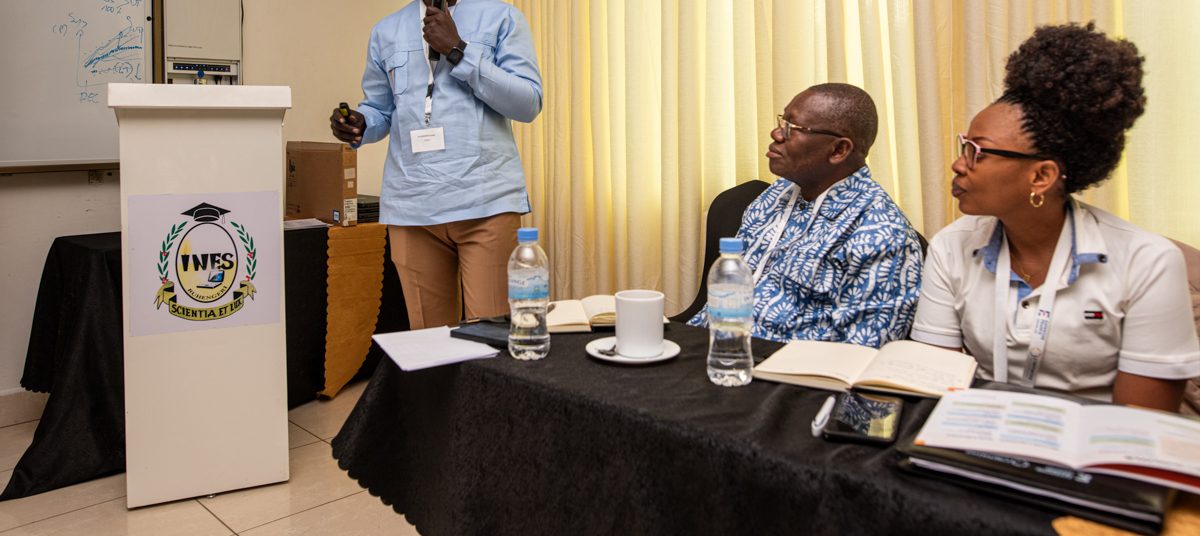
Artificial intelligence, digital platforms and diagnostic decision-support tools are transforming the ability of healthcare providers to make informed decisions, strengthen training and improve programme management.
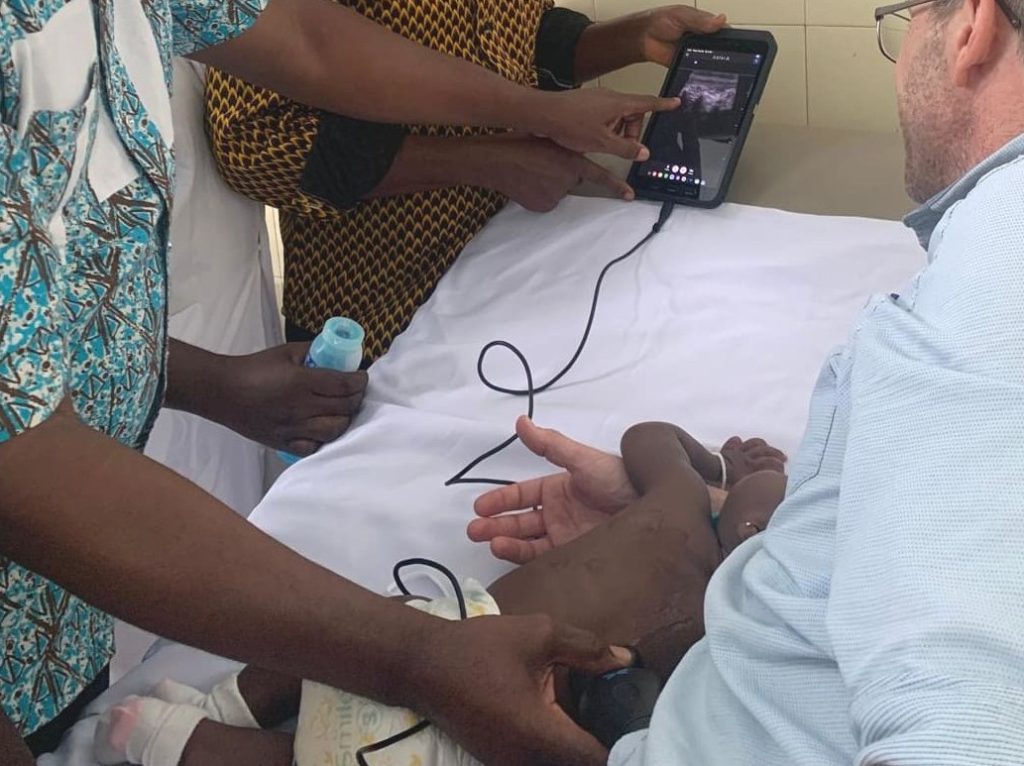
eHealth4ChildTB: using digital tools to improve paediatric tuberculosis diagnosis in Côte d’Ivoire and Mozambique
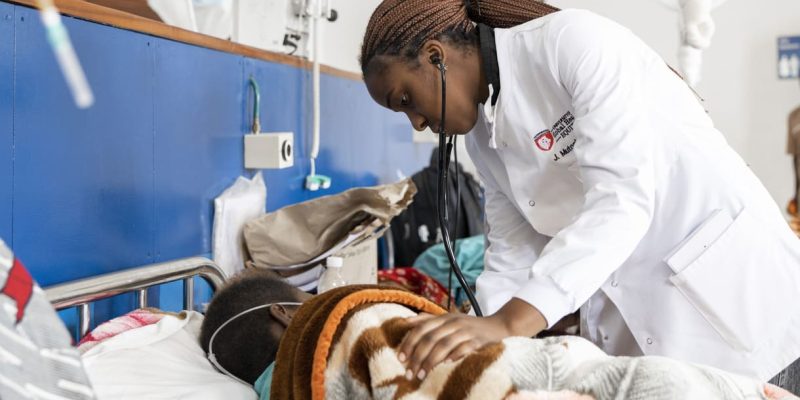
In decentralised health facilities, diagnosing tuberculosis in children remains a major challenge. Olivier Marcy, Research Director at IRD, explains how digital decision-support tools can help healthcare providers—and why their adoption and use in real-world settings are just as critical as their technical performance.
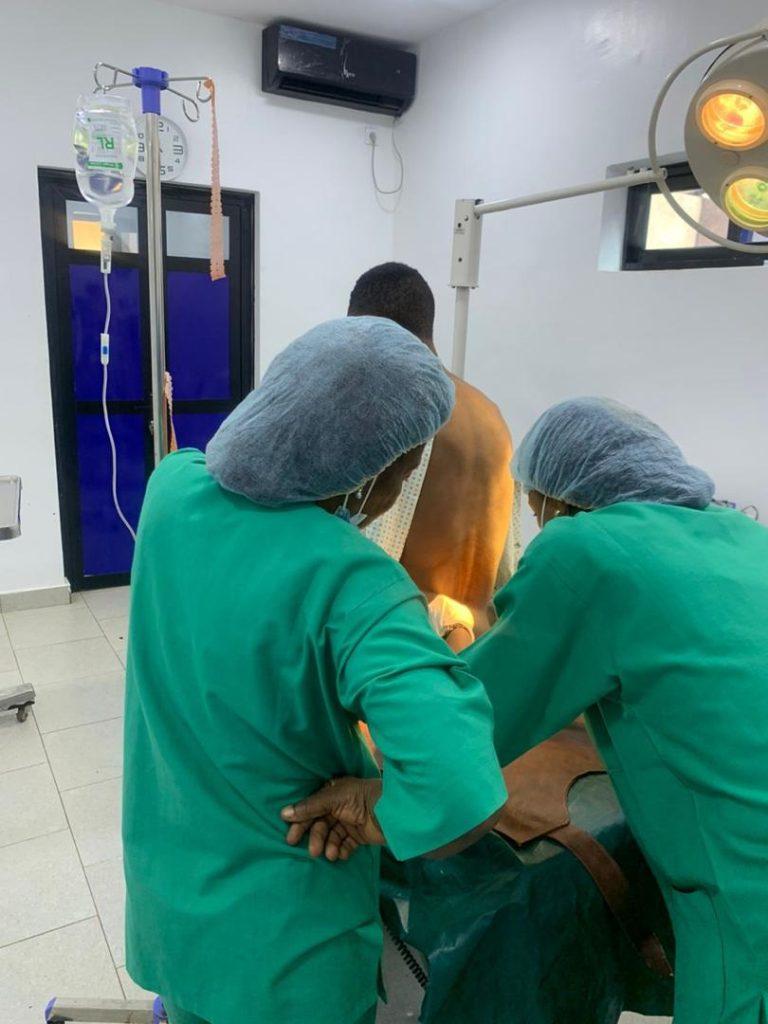
PHOENIX: addressing a long-overlooked health need in Cameroon
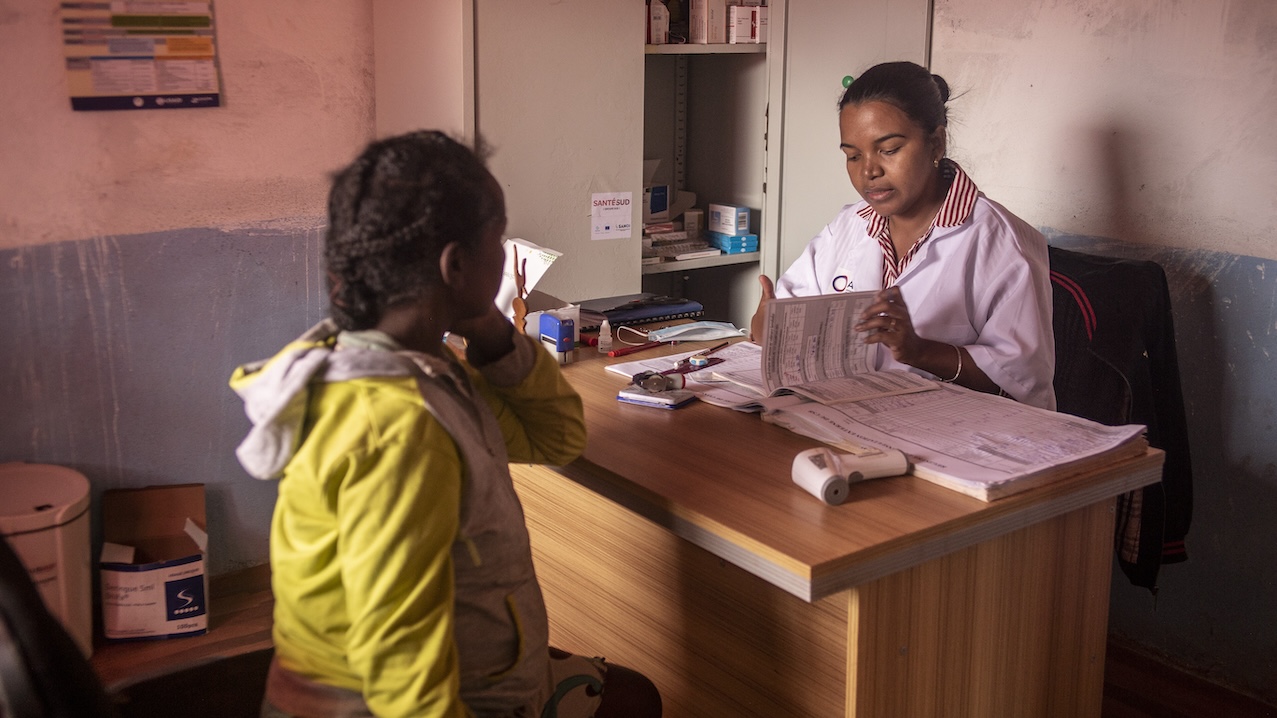
In Yaoundé and Douala, the PHOENIX project shows that health innovation is also about making overlooked health needs visible and ensuring they are properly addressed. Ulrich Mvate, Executive Director of Humanity First Cameroon Plus, explains how operational research and community-based approaches are helping to develop proctology care services for key populations facing stigma.
Maintaining health services in crisis settings
Armed conflicts, economic instability and protracted fragility can rapidly weaken health systems, making access to essential treatment increasingly uncertain. In 2025, L’Initiative focused its support on the countries most affected by these challenges, starting with Ukraine, where the war has disrupted care pathways since 2022. It relied on community-based actors and civil society organisations, which are able to reach people and provide support where public health capacities are limited.
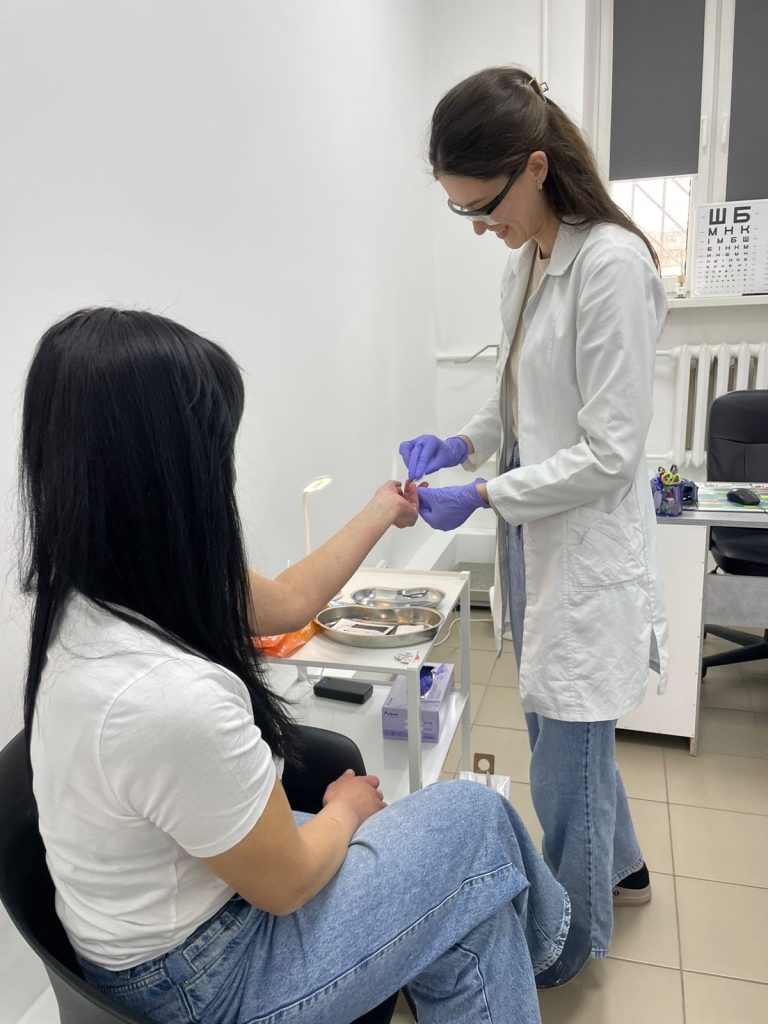
Fight for Life: ensuring continuity of HIV care during the war in Ukraine
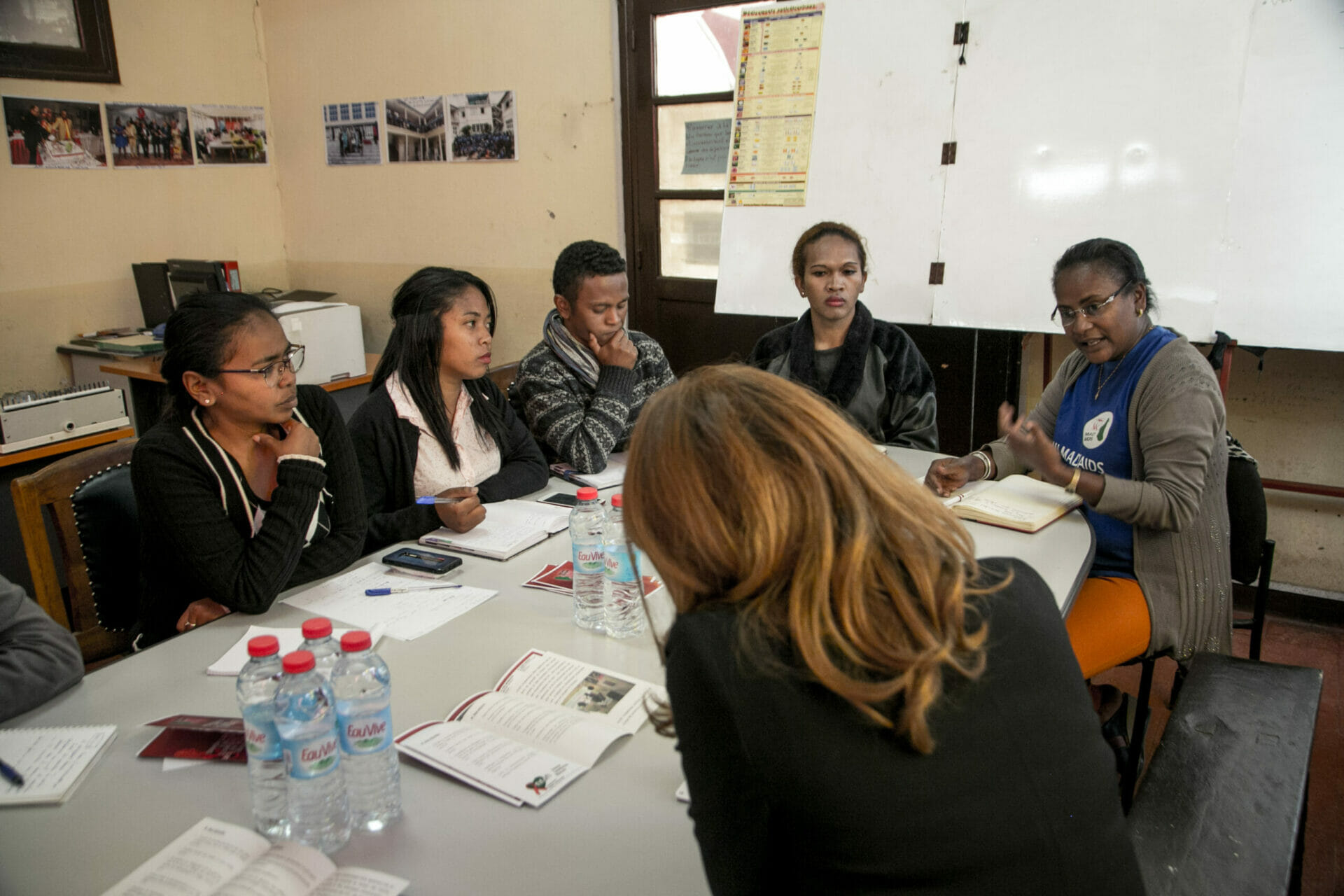
Since 2022, the war has exposed thousands of patients to treatment interruptions. Supported by L’Initiative, the Fight for Life project relies on civil society organisations to maintain prevention, testing and follow-up services for the most vulnerable populations, including young people, LGBTQIA+ people and displaced populations.

CoMPSS: maintaining access to opioid agonist treatment for women during wartime in Ukraine
Women who use opioids are particularly vulnerable to disruptions in care. The CoMPSS project develops integrated and gender-responsive approaches to maintain access to opioid agonist treatment in a context of crisis.