AGIR opens up screening and treatment for anal and cervical lesions
Human papillomavirus is responsible not only for lesions that can develop into cervical cancer, but also for lesions that can develop into anal cancer. Men living with HIV who have sex with men are particularly exposed, facing a risk of anal cancer around 70 times higher than the general population. Yet screening provision remains particularly limited across the African continent. In Burundi, the Democratic Republic of the Congo, and Cameroon, the AGIR project, led by Sidaction and supported by L’Initiative – Expertise France, is building a care pathway to fight these cancers.
Provision still needs to be expanded
Cervical cancer screening is advancing in sub-Saharan Africa. Screening for anal lesions, however, remains almost entirely to be built: the examinations require specific equipment, training in proctology (the specialty dealing with anal conditions), and professionals able to welcome, without judgement, patients whose sexual practices remain socially stigmatised.
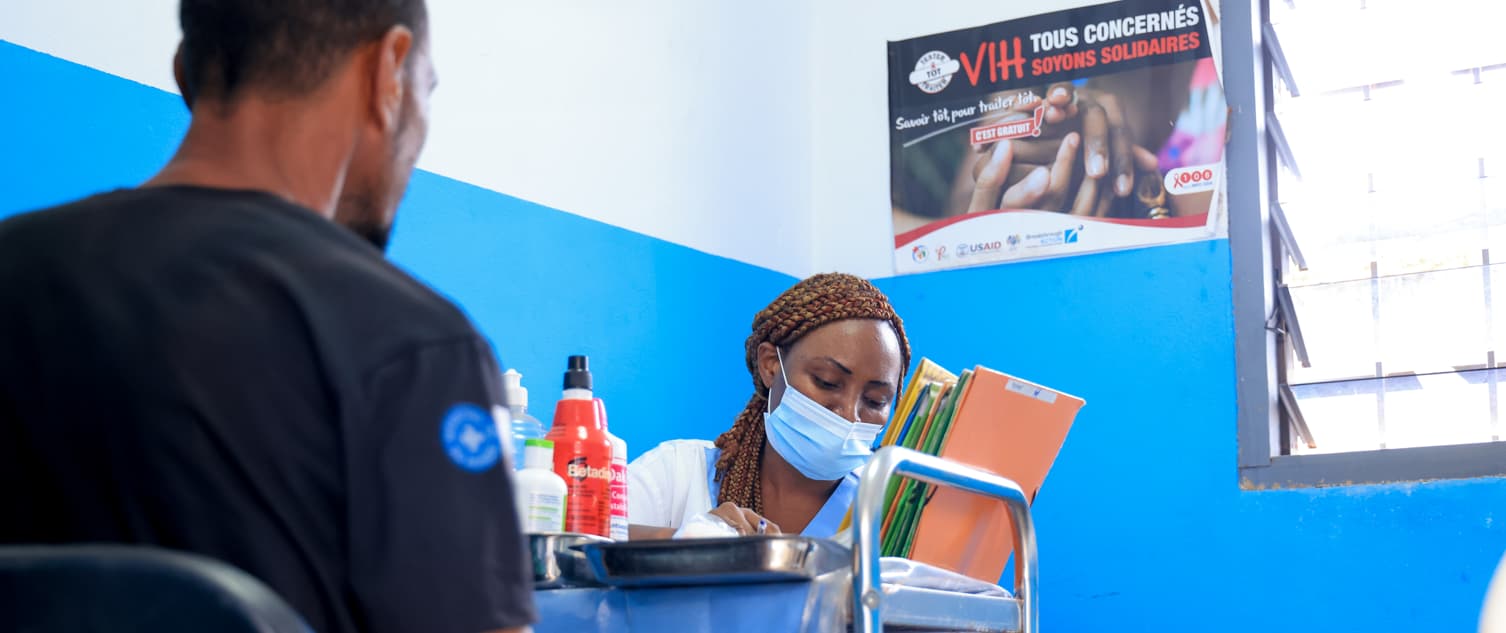
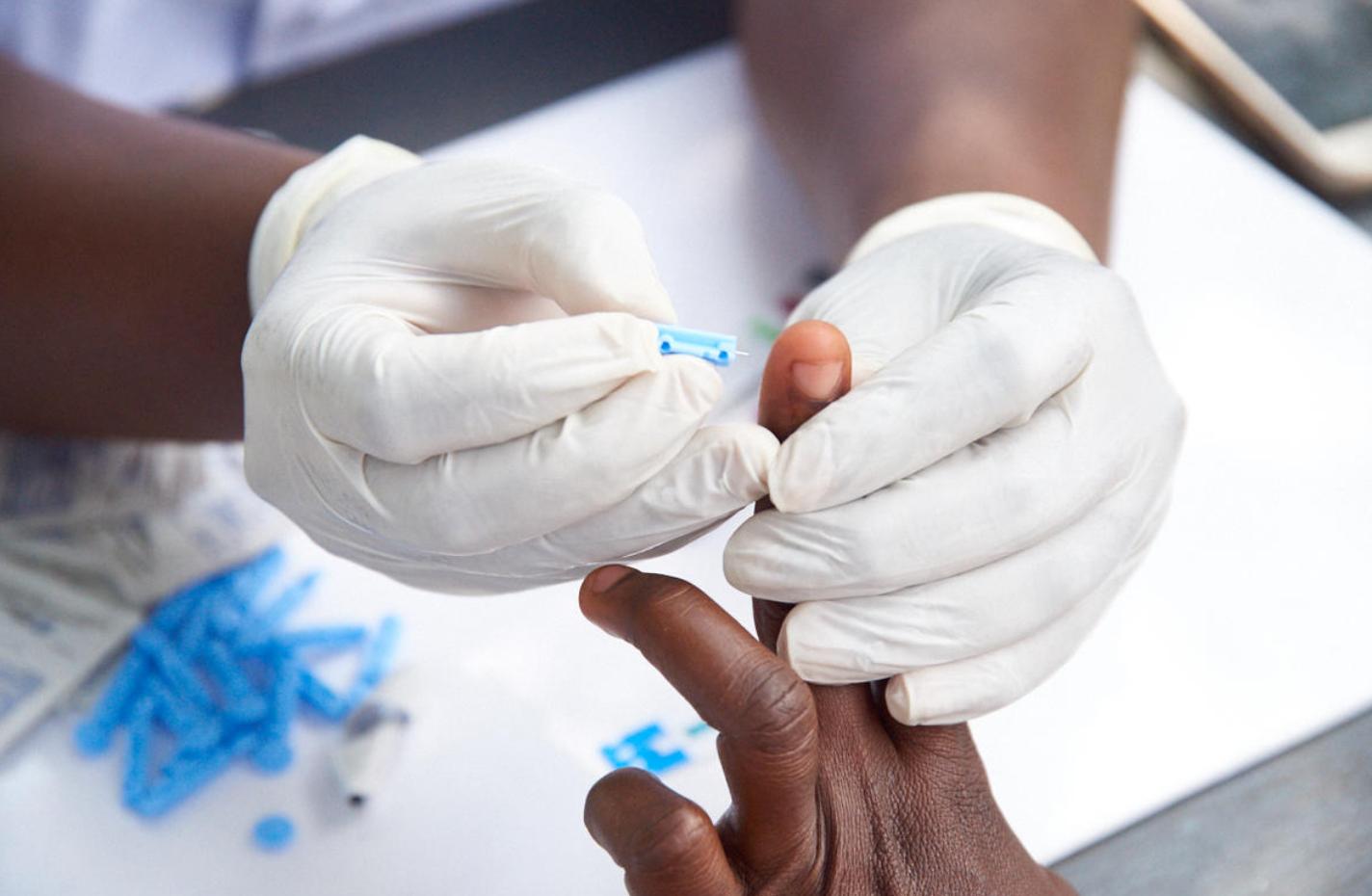
Between 2021 and 2024, during its first phase, the AGIR project screened 6,923 people and treated 601 precancerous cervical lesions, building on community associations that were already following people living with HIV. The second phase, launched in April 2025 for four years, builds on these achievements: expanding geographic coverage, consolidating local skills, and embedding the screening and treatment of precancerous cervical lesions into health facilities’ everyday practice. This phase is also dedicated to training on the diagnosis and treatment of anal conditions.
Angéline Inamahoro, the project’s coordinator in Burundi, traces this trajectory.
Bringing key populations closer to health services
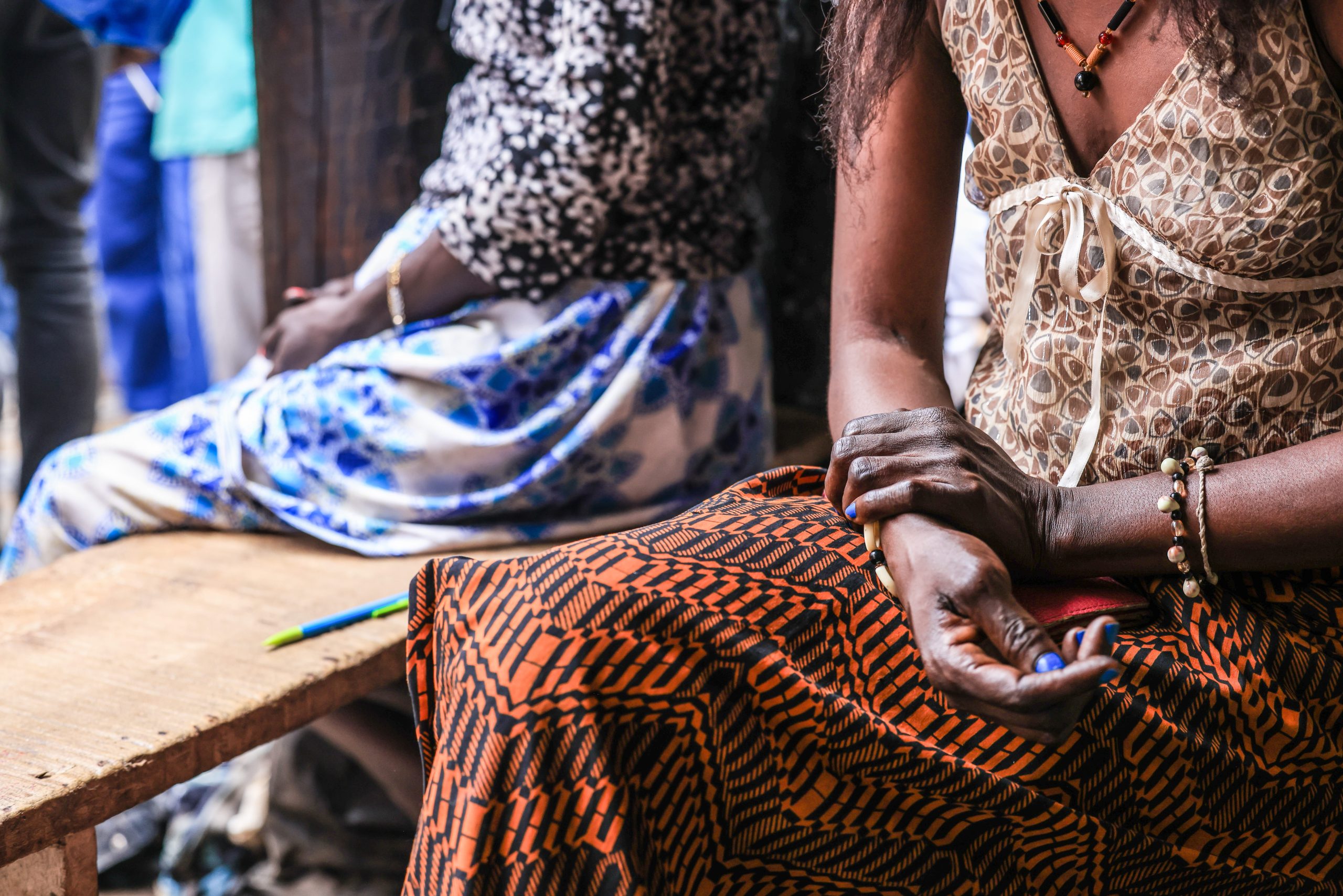
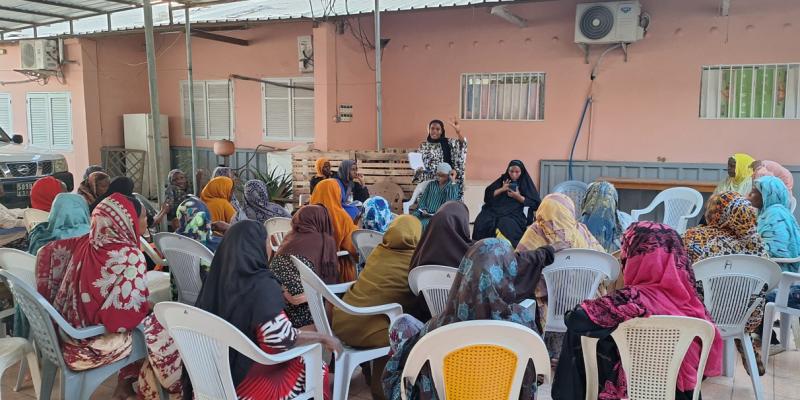
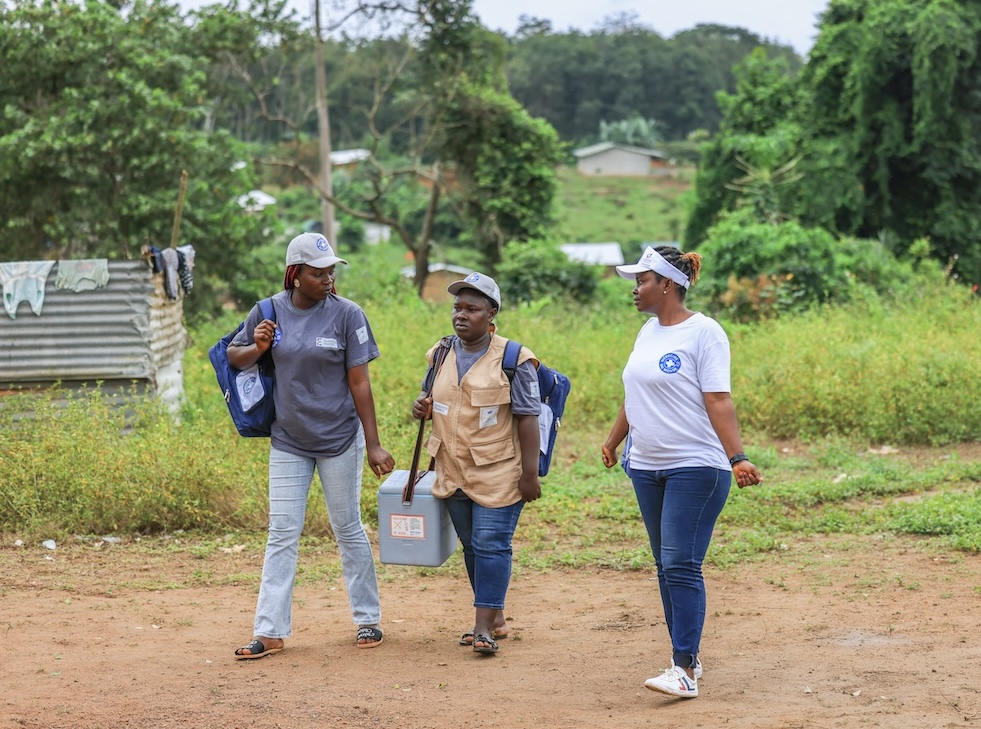
Having screening available is not enough: people still need to find the courage to walk through the door, since these examinations touch on intimate matters and concern populations all too often accustomed to stigma within health services. AGIR therefore entrusts the first point of contact to peer educators, who inform, guide, and physically accompany people all the way to their consultation. In all three countries, associations of people living with HIV, of sex workers, and of men who have sex with men are stakeholders in the approach itself, not mere channels for messages designed without them.
Proctology, a rare skill
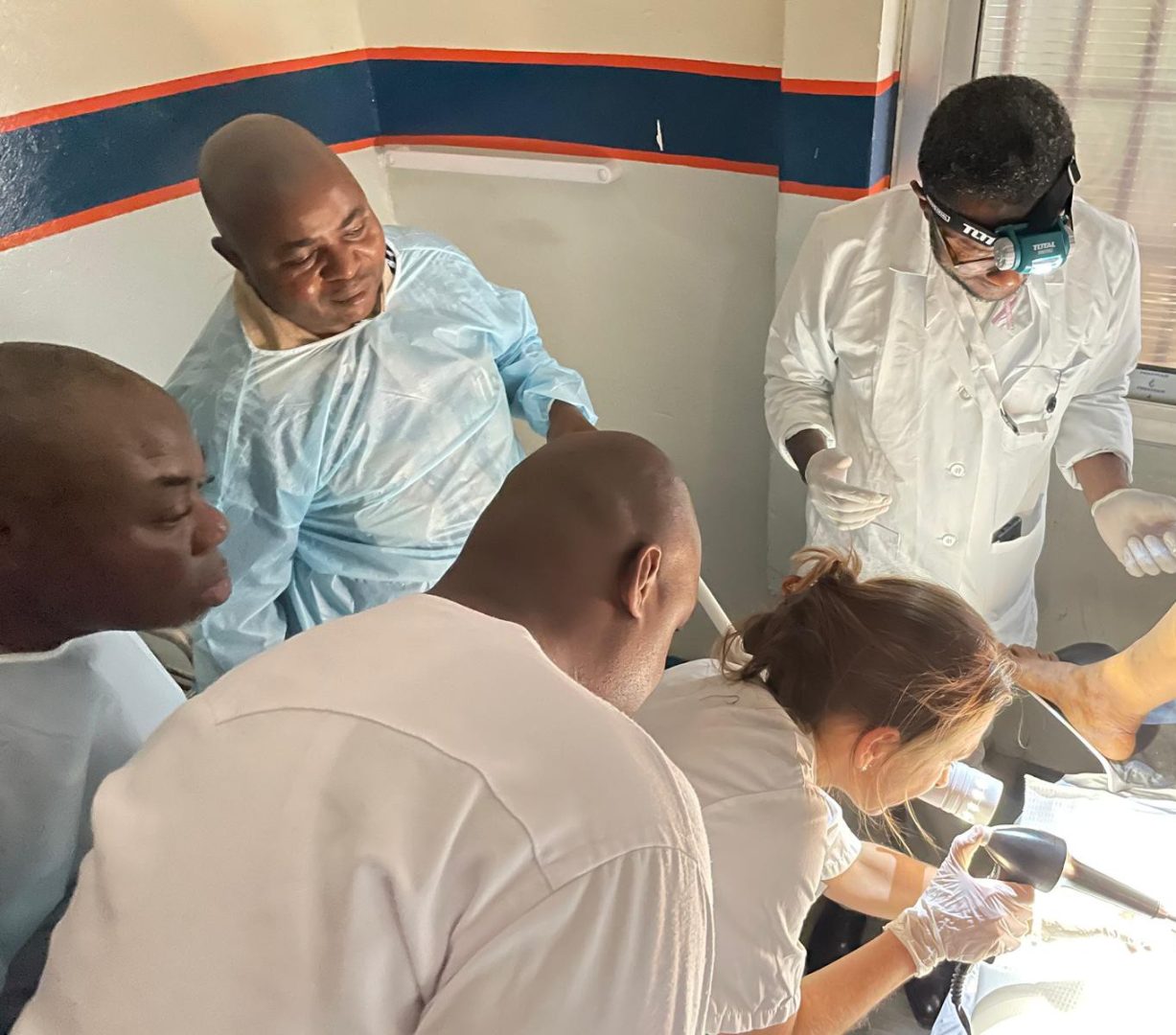
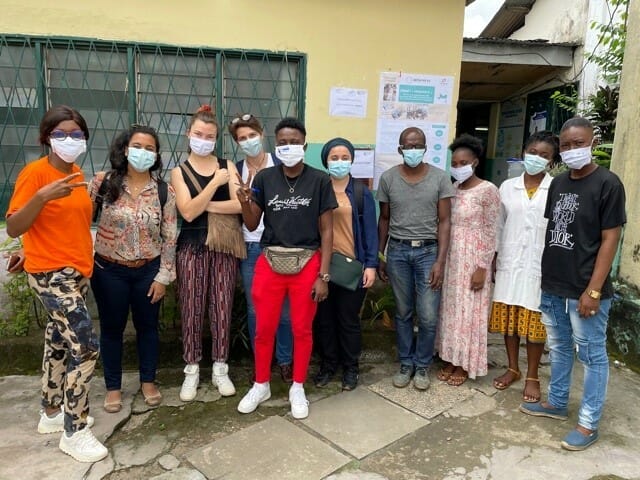
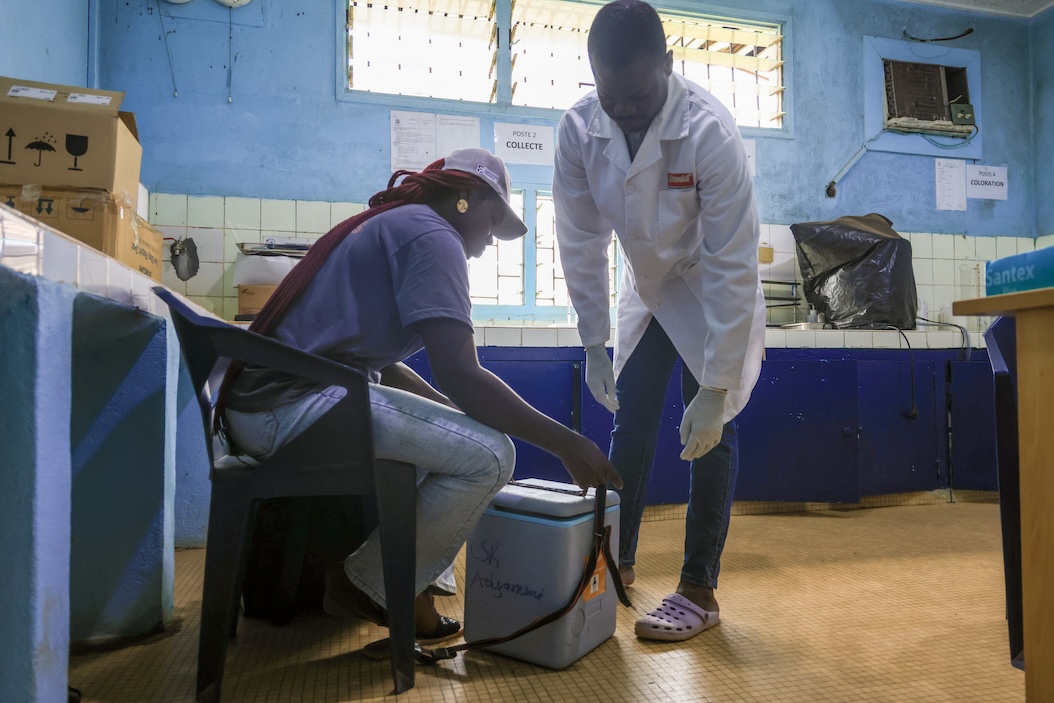
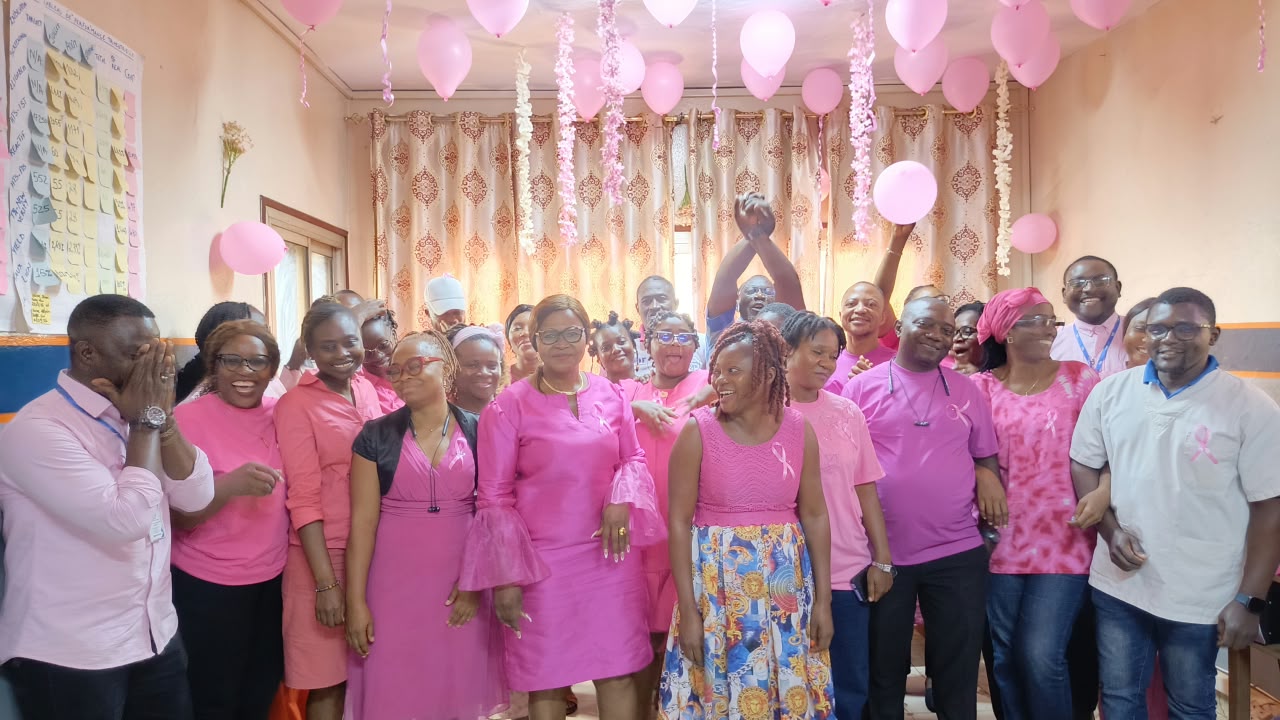
In January 2026, a training session in Yaoundé brought together practitioners from all three countries around anoscopy and lesion treatment, supported by proctology experts. The aim was not only to pass on technical skills, but to build a core group of professionals able, in turn, to train their colleagues, so that this expertise does not remain dependent on just a handful of individuals. The training made it possible to examine sixty-three patients in a single week, revealing thirty-five anal condylomas, five fistulas, five haemorrhoidal conditions, and three fissures.
This gap between needs and provision is partly down to how interventions get prioritised. The major financing mechanisms support the priorities countries themselves set, but some health issues, such as anal cancer prevention, are not yet sufficiently recognised as a priority. This is precisely the purpose of L’Initiative’s support: covering this need, alongside national programmes’ own actions, to demonstrate that such provision can work before it is taken up at a larger scale.
All of this is moving forward under demanding conditions, amid security and health instability (Ebola) in eastern DRC and disruptions to health product supply chains. The project has adapted how it operates rather than scaling back its ambitions: pooling equipment between sites, planning screening campaigns around what is actually available, and closely monitoring patients once treated.
Building the evidence to support scaling up
What comes next plays out on two fronts. On one side, documentation: a research team associated with the project is analysing screening data to establish the epidemiology of proctological lesions and anal HPV infection among key populations (prevalence, associated factors, care pathways), as well as the cost-benefit case for integrating these examinations into existing services. On the other, persuasion: a clinical guide for proctological care is in preparation, and an advocacy mission to Kinshasa is set to bring these findings to health authorities.
Between October 2025 and March 2026, 1,457 women were screened for cervical cancer and 367 people for anal conditions. By 2029, AGIR aims to establish lasting reference centres in each of the three countries, able to provide training and care without dedicated external funding.
AGIR for the sexual health of PLHIV and key populations — phase 2
Lead organisation, partners, areas of intervention, budget, and detailed objectives… discover the project factsheet.