HPV self-sampling: a way to remove the barriers to cervical screening
Human papillomavirus (HPV) is one of the most common infections in the world, and most of us will encounter it at some point without ever knowing it. In the vast majority of cases, the body clears it on its own. But certain types of HPV, when the infection persists, can cause precancerous lesions that may develop into cancer — cervical cancer above all. This is a cancer that can be prevented, provided it is caught in time. But that means getting screened. In West and Central Africa, as in Southeast Asia, L’Initiative – Expertise France is promoting self-sampling to make that happen.
An infection almost everyone encounters
The vast majority of sexually active people will encounter human papillomavirus at some point in their lives. There are more than two hundred types, and most have no lasting consequences, with the body clearing the infection naturally, often without any symptoms at all.
Certain types, known as high-risk, behave differently. When they take hold over the long term, they slowly transform cells and can lead to cancer. Both men and women are affected, but in women, more than nine in ten HPV-related cancers occur in the cervix.
Caught early, HPV-related cancer can be prevented
Cervical cancer is also one of the cancers we know how to prevent best. It generally develops slowly: several years can pass between a persistent infection with a high-risk HPV type and the onset of cancer. This window offers a valuable opportunity to act. That is why WHO recommends combining two complementary approaches: vaccinating girls aged 9 to 14, before the start of sexual activity, and screening women. Screening rests on a simple principle: detecting the presence of the virus before it causes precancerous lesions. A positive HPV test therefore does not mean that cancer has developed, but that appropriate follow-up is needed to prevent it from doing so.
In San-Pédro, Côte d’Ivoire, Opportune Kouadio, a midwife at the Terre Rouge maternity clinic, describes what happens next. A woman whose test comes back positive is referred to a treatment centre, where an acetic acid test reveals any precancerous lesions. When the lesion is small, it is treated on the spot using thermocoagulation. When it is more extensive, the patient is referred to a specialist centre for removal. The procedure is not painful, and it prevents cancer from developing..
A sample women can take themselves, wherever they feel comfortable
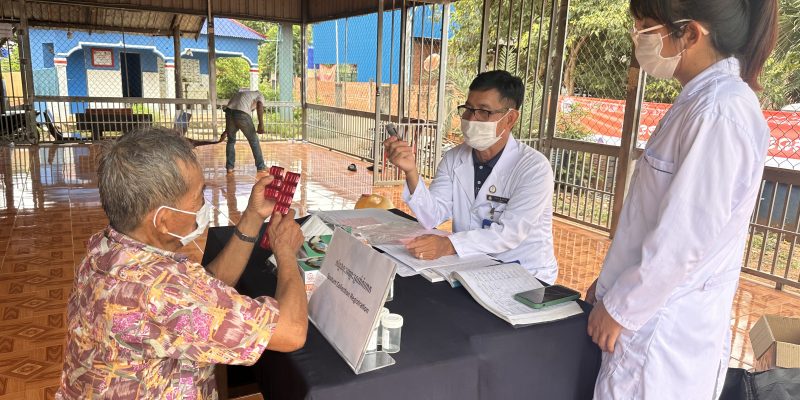
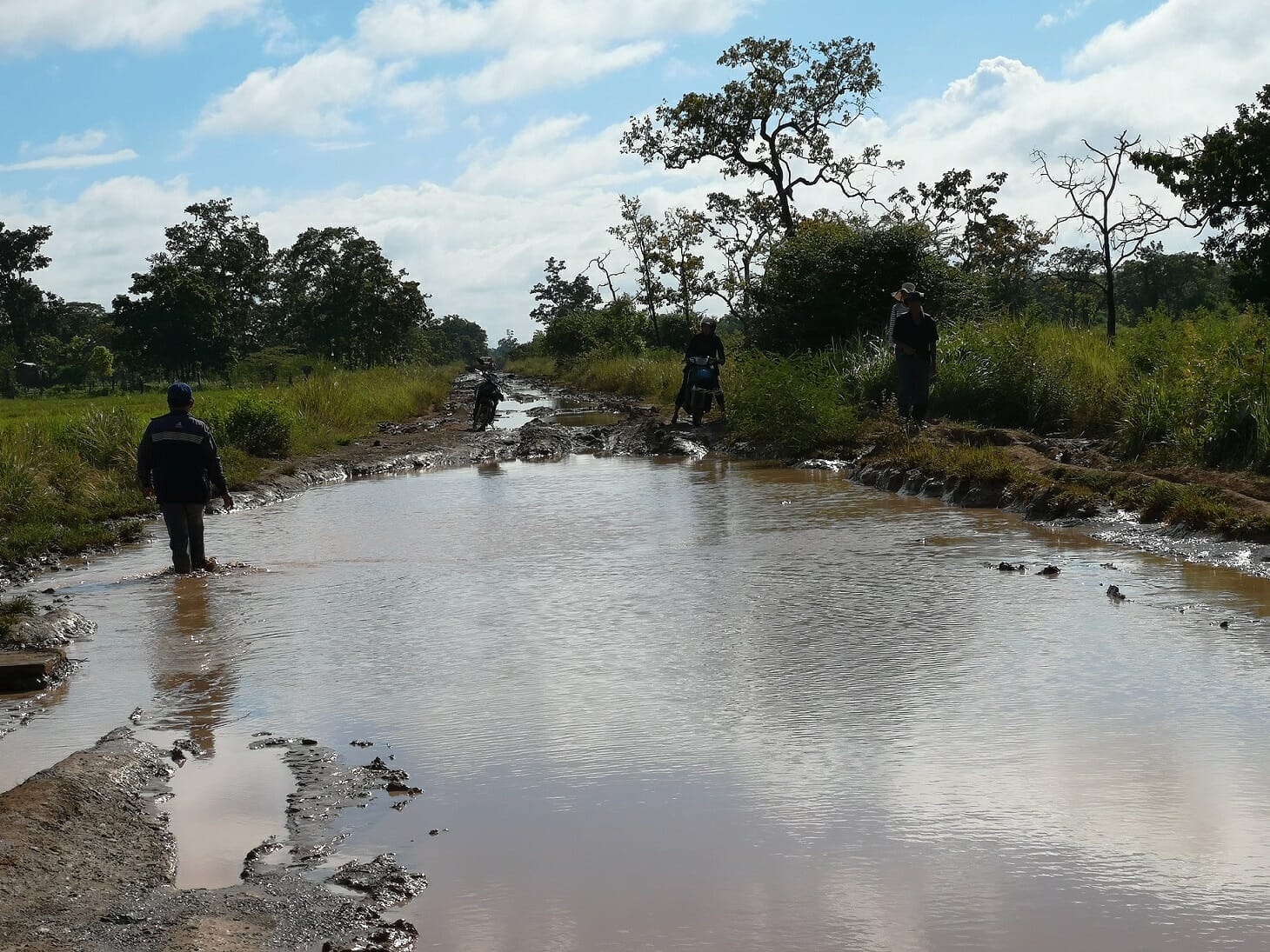
The first step is often the hardest. The distance to the health centre, a lack of time, apprehension about a gynaecological exam, or simply embarrassment — these keep many women away from screening.
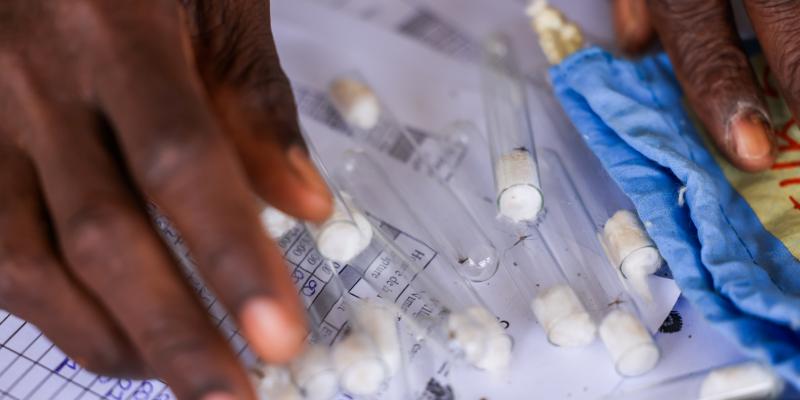
Self-sampling addresses part of this problem. The woman takes the sample herself, which is then analysed in a laboratory. For André-Pascal Goura, head of the OptiTri project in Cameroon, this is a major step forward: it allows women to take charge of their own health and removes barriers, without compromising on the reliability of the result.
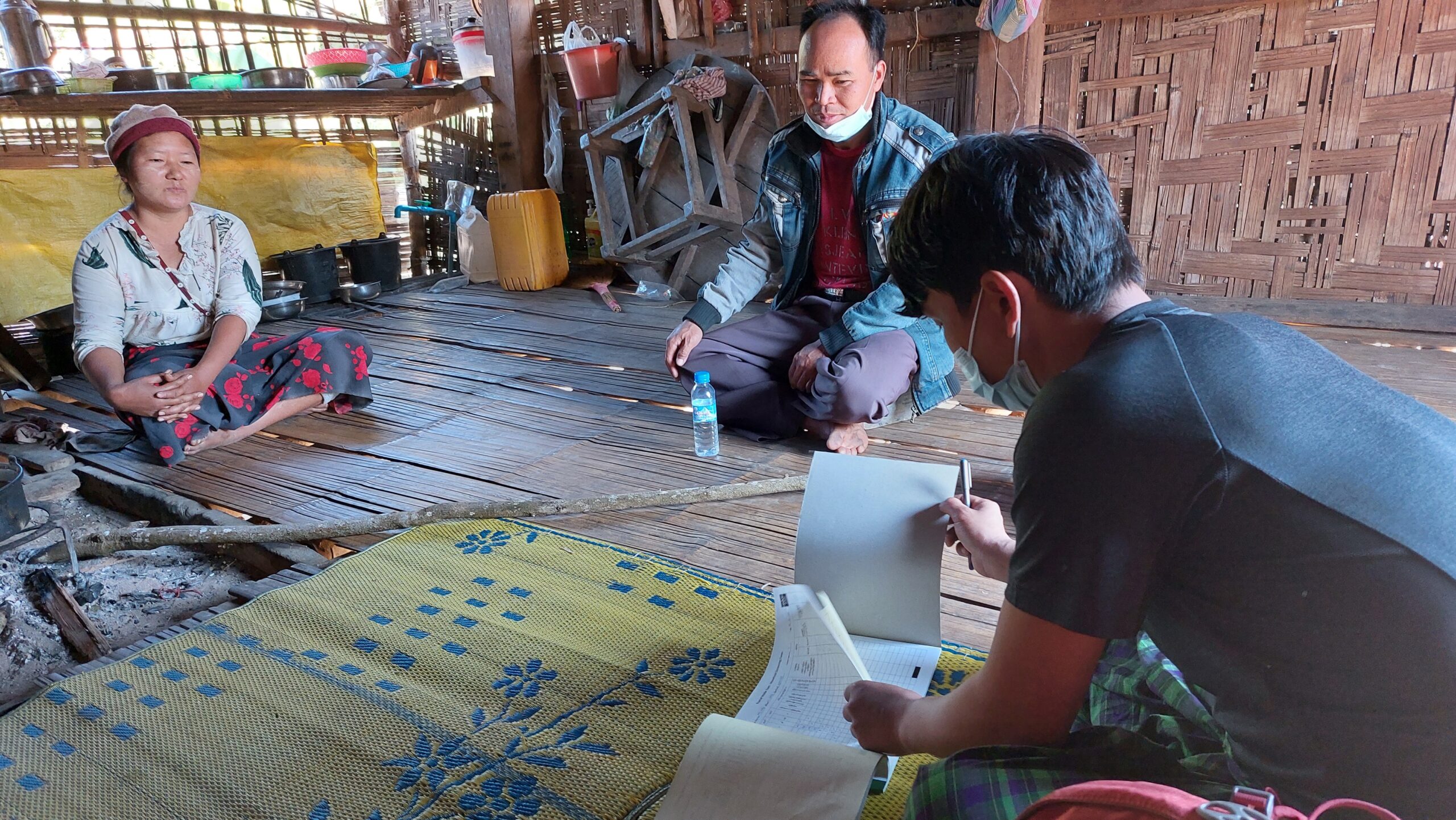
Dr Marie Doré, Medical Lead for the SUCCESS project in Guinea, for her part stresses how simple the procedure is. Teams explain and show women how to do it, and women can be supported through it if they wish. It is also, she notes, a way of reaching those who would not otherwise have been screened..
IInforming and supporting women
Self-sampling does not replace the rest of the care pathway. A positive result must still lead to an examination, and then treatment if needed. But it opens the door, and that is often where everything is decided.
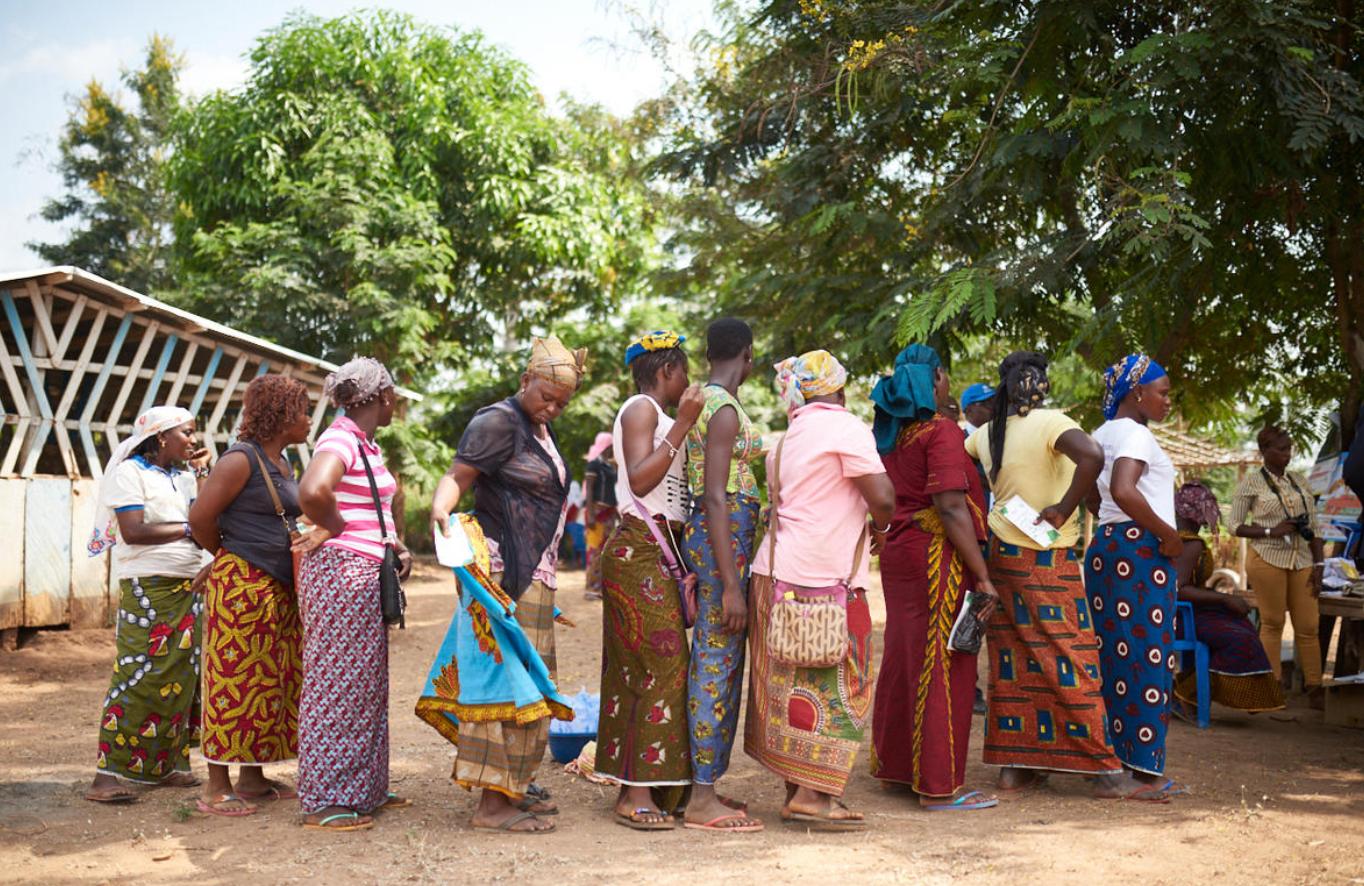
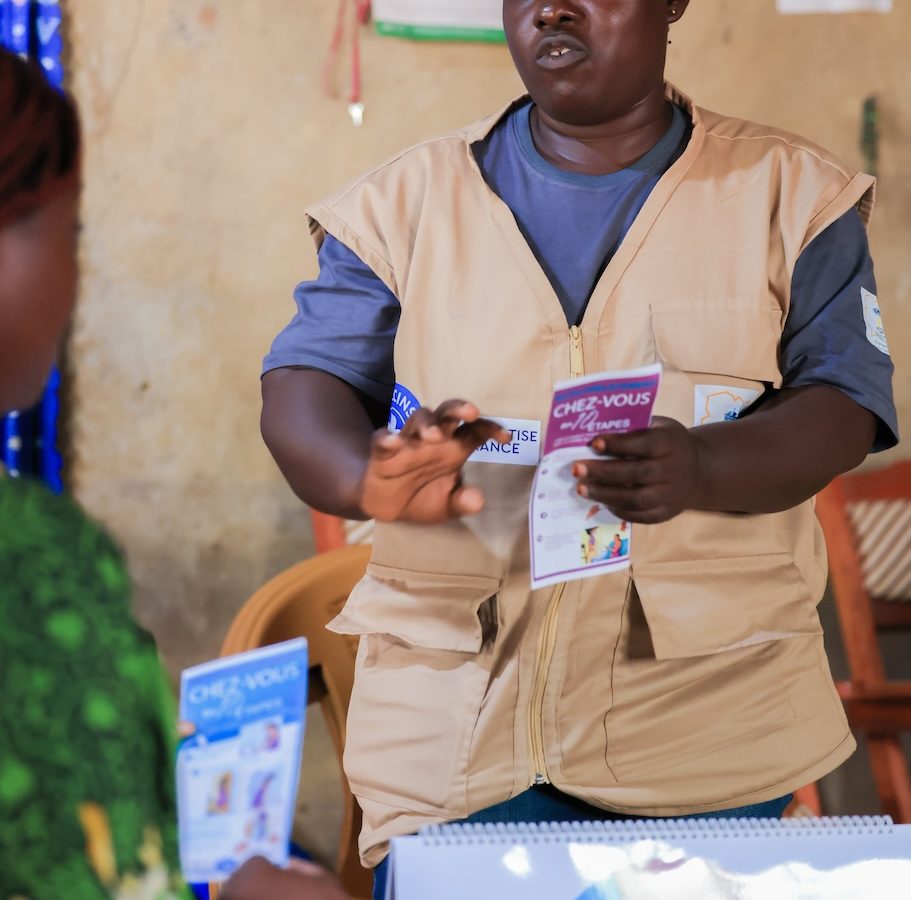
In San-Pédro, community health workers go out to meet women, to inform them and offer them this test. Between 2021 and 2024, the SUCCESS programme screened close to 185,000 women, exceeding the target it had set itself. Field report..
SUCCESS : fighting cervical cancer
A field report from San-Pédro, with the community health workers who raise awareness, provide support, and refer women into care..