Cervical cancer: what still stands between the tools and the women
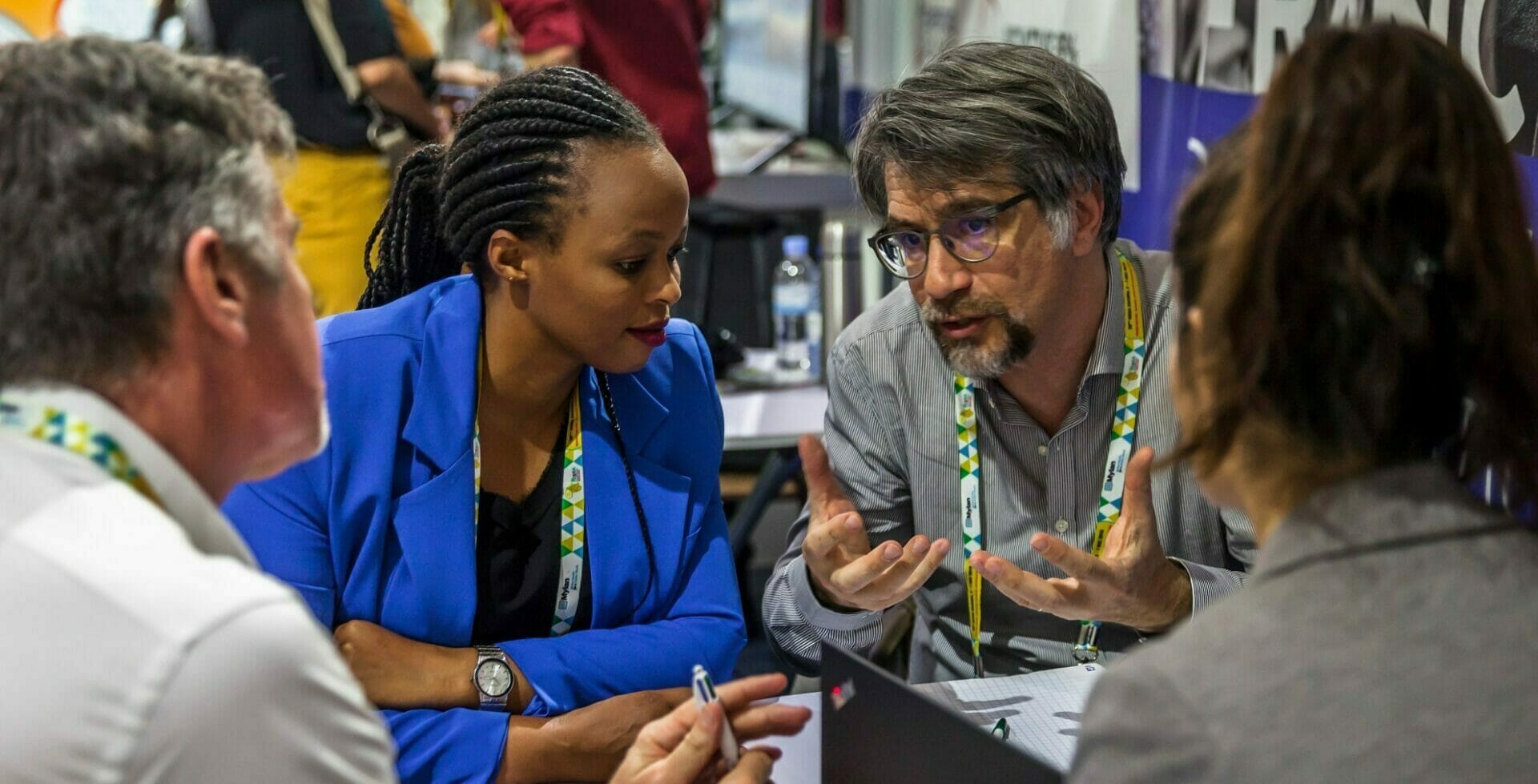
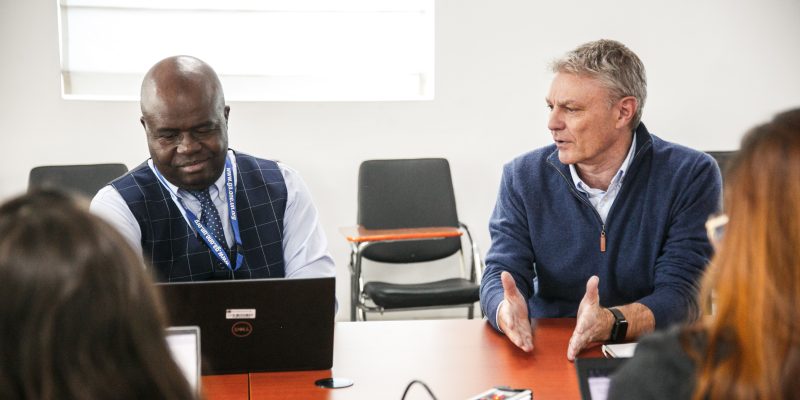
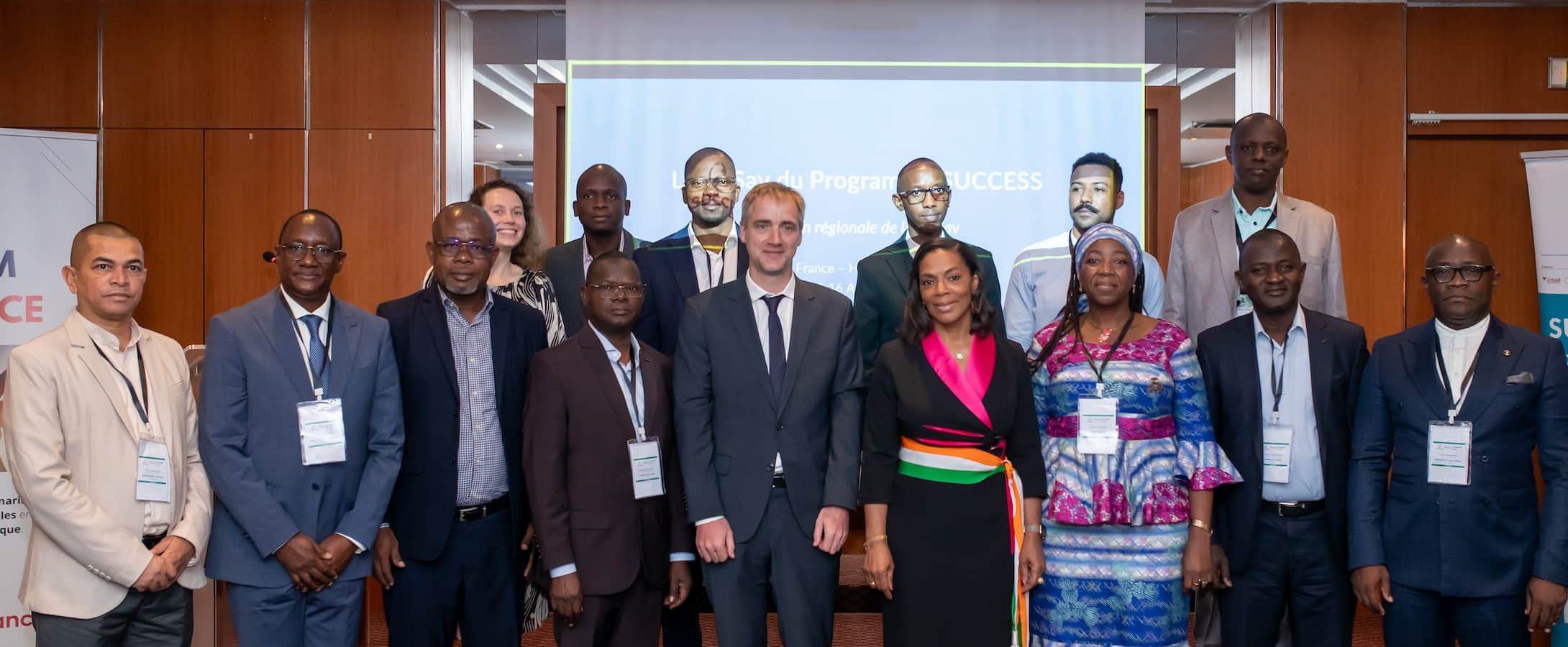
Cervical cancer caused an estimated 280,000 deaths in 2024, out of 604,000 new cases. In 26 countries, mostly in sub-Saharan Africa, it is the leading cause of cancer death among women. Yet it is one of the cancers the World Health Organization (WHO) considers possible to eliminate, having set 2030 as the target date for the key milestones that would put countries on that path. Gathered in Abidjan in April 2026 by the Community of Practice and Knowledge (CoSav) of the SUCCESS programme, supported by L’Initiative – Expertise France and Unitaid, four national programme and laboratory leads looked back at what still stands between the tools available and the women who need them.
A global elimination target
WHO’s global strategy rests on three complementary targets: vaccinating 90% of girls against human papillomavirus (HPV) before the age of 15, screening 70% of women at ages 35 and 45, and treating 90% of women with precancerous lesions or cancer. The ultimate goal is to bring the disease’s incidence below the threshold of four new cases per 100,000 women per year, the level considered to mark its elimination as a major public health problem.
Behind these targets lies a persistent reality: cervical cancer disproportionately affects countries where access to vaccination, screening, and care remains inadequate. Human papillomavirus is responsible for almost all cervical cancers. HPV infection is very common and, in most cases, transient. But when a high-risk infection persists, it can gradually lead to precancerous lesions, and then to cancer if they go undetected and untreated.
This progression, which is generally slow, nonetheless offers several opportunities to intervene. Prevention, screening, and treatment are therefore not three competing responses: they form a single chain, whose effectiveness depends on every link.
Preventing upstream to avoid cancer altogether
For Prof. Bangaly Traoré, Coordinating Director of Guinea’s National Cancer Control Programme, this chain begins with prevention. HPV vaccination provides the first layer of protection, reducing the risk of infection by the main virus types responsible for cervical cancer.
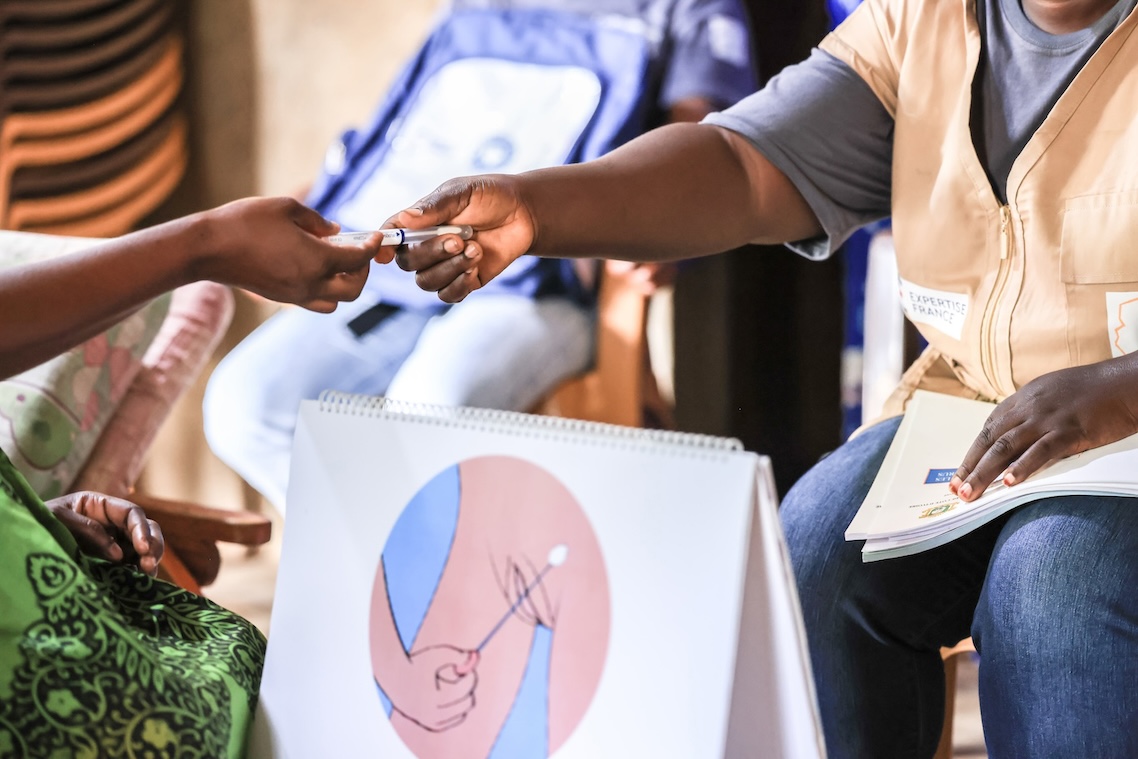
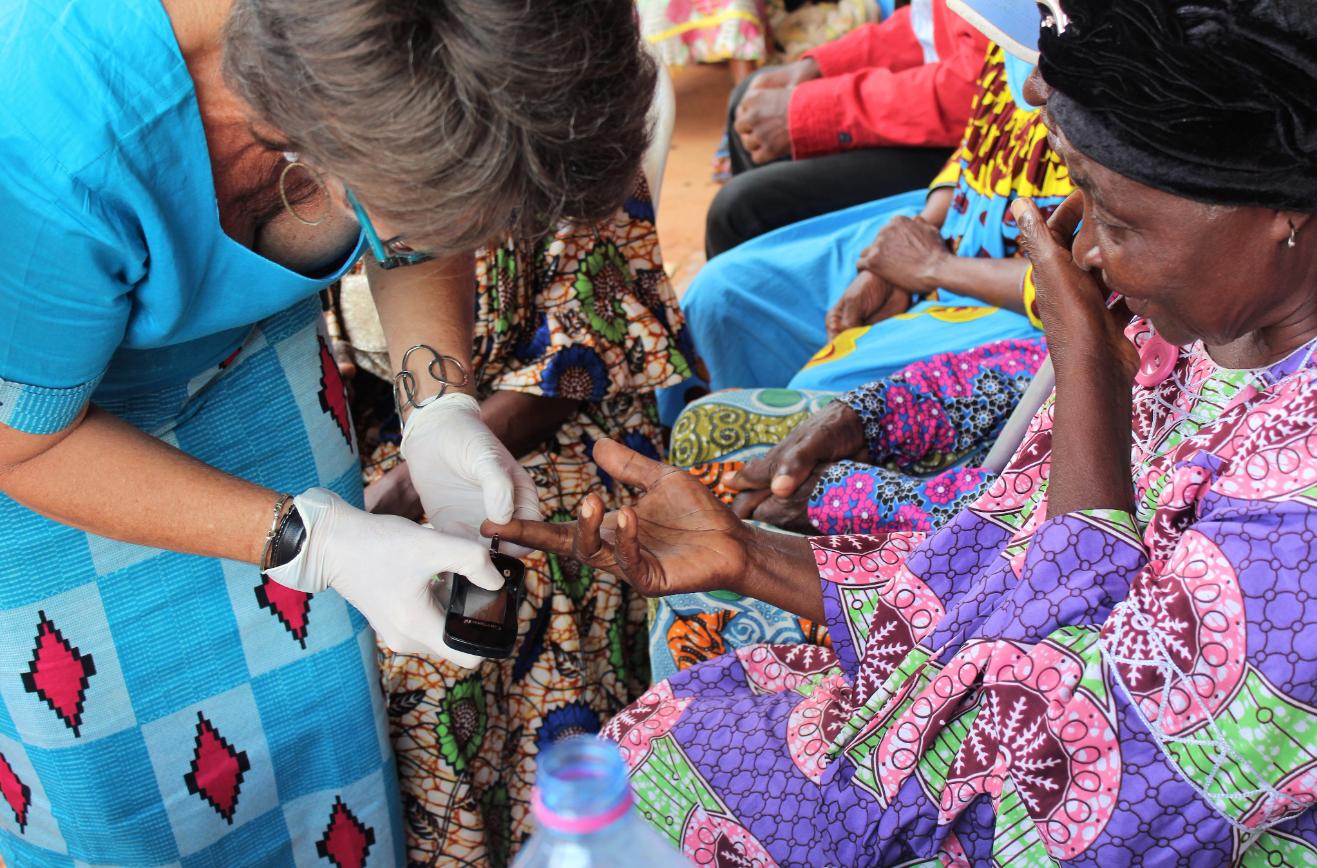
Where vaccination coverage remains insufficient, screening becomes all the more important for women already exposed to HPV. It makes it possible to identify high-risk infections or precancerous lesions and to intervene before they progress.
But here too, the mere existence of a screening service is not enough. A woman who tests positive must be able to access a diagnosis, and then treatment if needed. This is why Prof. Traoré also stresses the continuity of the care pathway and health systems’ ability to sustain these services over time: the availability of supplies, the quality of human resources, data, and integration into national systems.
Giving services the means to last
This question of continuity comes down to very concrete conditions. In Cameroon, Dr Florence Zeh Kakanou, Permanent Secretary of the National Cancer Control Committee, ranks financing as the foremost challenge. A disease that can be prevented and eliminated requires, in her view, resources substantial enough to sustain the fight over time.
Financing, however, is only part of the equation. Health professionals need to be trained as recommendations and practices evolve, while the necessary equipment and consumables must remain available. A supply shortage or a lack of trained staff can undermine an otherwise well-designed system.
The fight against cervical cancer therefore does not rest solely on choosing the right strategies. It also depends on the ability to keep services running day to day, over the long term.
Mobilising capacity that already exists
Benin’s experience shows that improving access to diagnosis does not necessarily mean building new infrastructure. The country has a network of molecular biology platforms strengthened during the Covid-19 pandemic, with close to 40 real-time PCR machines that helped consolidate 14 laboratories.
When the SUCCESS programme began rolling out HPV screening, this existing capacity could be mobilised to analyse samples collected from women. Rather than creating a parallel pathway, the strategy built on a network already present within the health system.
This choice illustrates a central question for scaling up: before multiplying new systems, identify what already exists, what can be strengthened, and what can be integrated into care pathways. Diagnostic capacity is therefore a resource — provided it can be connected to the whole of the care chain.
Making the fight a lasting priority
This leaves the question that shapes all the others: how can these efforts be made to outlast individual projects and become durably embedded in health policy?
For Dr Aïssatou Barry, an oncologist and head of a community centre in Guinea, the fact that thousands of women die from a preventable disease whose causes are perfectly well understood makes the involvement of national authorities absolutely critical. But she does not stop at national borders: collective political will at the international level seems to her just as necessary to guarantee lasting, equitable access to care.
This is precisely one of the aims of CoSav, led by the SUCCESS programme and supported by L’Initiative – Expertise France and Unitaid. Created in 2025, it brings together stakeholders from several French-speaking African countries to share experiences, compare practices, and turn lessons from the field into shared responses.
The Abidjan Call: seven countries sign ten recommendations against cervical cancer
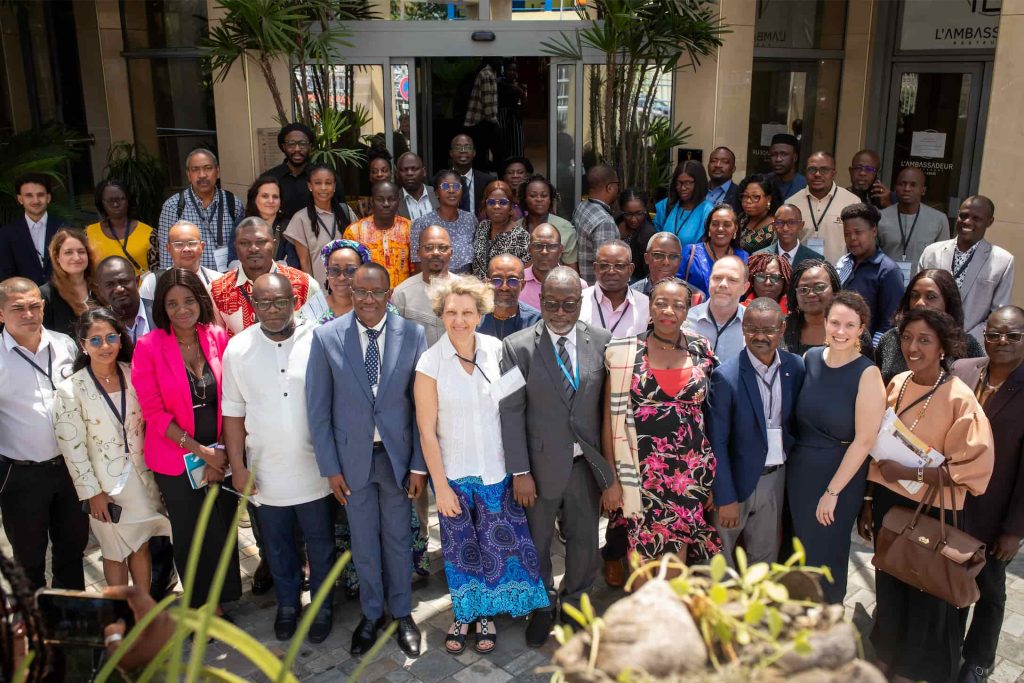
In Abidjan, the momentum built by CoSav took concrete shape in ten shared recommendations and the signing of a landmark call by the seven participating countries, with the ambition of strengthening prevention, screening, and care for cervical cancer.
Ultimately, ending cervical cancer as a major public health problem means being able to vaccinate, screen, and treat — but also to finance programmes, train health professionals, keep laboratories running, and embed these services within health systems. In other words, bringing the tools closer to women also means building the conditions that allow those tools to have their full effect.