
“The community doctor is a cornerstone of the rural health system”
In Madagascar, access to care remains severely limited across many rural areas. To address this challenge, L’Initiative is funding a 5.2 million euro project aimed at sustainably strengthening human resources for health, from training to the deployment of professionals in the field. Implemented by Expertise France, in partnership with Madagascar’s Ministry of Public Health, Santé Sud, the Association of Community General Practitioners of Madagascar (AMC MAD), and several national health training actors, the project places significant emphasis on community medicine. Dr Jocelyn Rakotozanany, President of AMC MAD, reflects on the role played by these community doctors in bringing care closer to populations living in the most isolated areas.
What does access to care look like today in Madagascar’s rural areas?
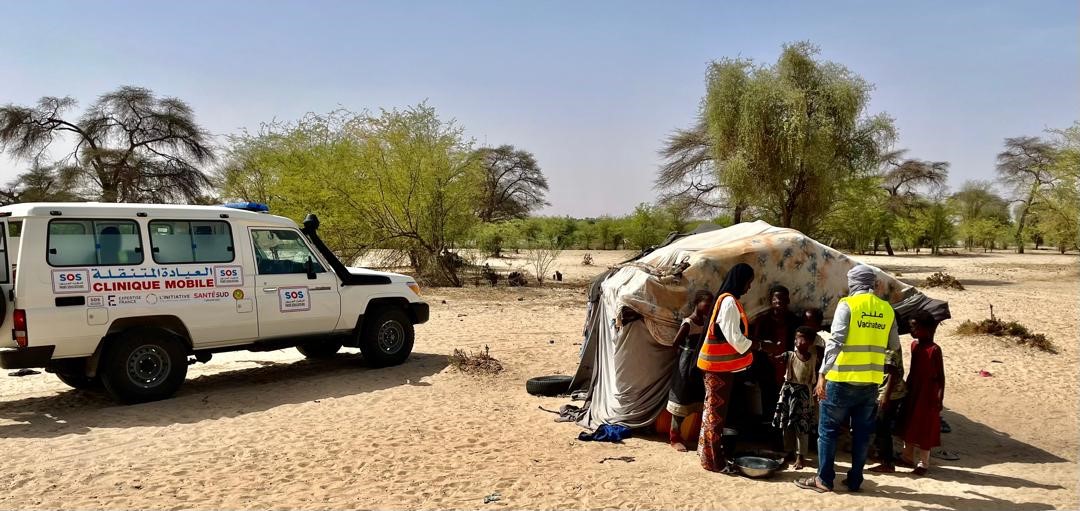
Jocelyn RAKOTOZANANY : In rural settings, the Ministry of Health only has the means to place doctors in health centres at the municipal level. Yet between two municipalities, there can be up to 100 kilometres. This creates medical deserts: areas where populations have significant health needs but where no local medical provision exists.
There is also another problem: some doctors are assigned to health centres but never take up their posts. Positions remain vacant. The need for healthcare in rural areas is therefore enormous.
When someone falls ill, their care pathway typically begins with traditional healers, who are present everywhere. Families may then buy medicines from grocery stores or markets. They turn to paramedical workers next — midwives or nurses running small practices. A doctor is usually a last resort, by which point the illness has already worsened.
Madagascar does train doctors. Why do the needs remain so great?
Jocelyn RAKOTOZANANY : Madagascar has six medical schools spread across the country, each training around a hundred doctors a year. There are doctors being trained — yet a shortage of care in rural areas persists.
It is this paradox that gave rise to our project: on one side, rural populations with significant health needs; on the other, young doctors in need of professional opportunities. The challenge is to connect these two realities.
But settling in a rural area remains difficult. The first obstacle is financial. After medical school, young doctors do not always have the means to purchase the necessary medical equipment, medicines, or to set up a practice. There is also the issue of insecurity, which can be daunting. Living conditions are another barrier: in some areas, mobile network coverage and internet access are limited, and electricity is not always available. For doctors with families, schooling for their children is also a significant concern.
What is a community general practitioner?
Jocelyn RAKOTOZANANY : There is a distinction between a general practitioner and a community general practitioner. The community doctor receives specific training to enable them to settle and practice in a rural environment.
They work in a community medical practice. What makes this practice distinctive is the involvement of the community from the very beginning. The community contributes, for example, by providing premises or by supporting the running of the practice.
The community doctor is a self-employed private practitioner — not a salaried employee. But they are also responsible for the health of a community. They do not only treat individual patients; they need a broad view of the health challenges facing the area. They must be able to identify common diseases, understand their impact on the community, and respond accordingly.
It is this presence that fills the gap in medical deserts. The doctor is close at hand, accessible, and the cost of care remains affordable for the population.
What does the presence of a community doctor concretely change for local populations?
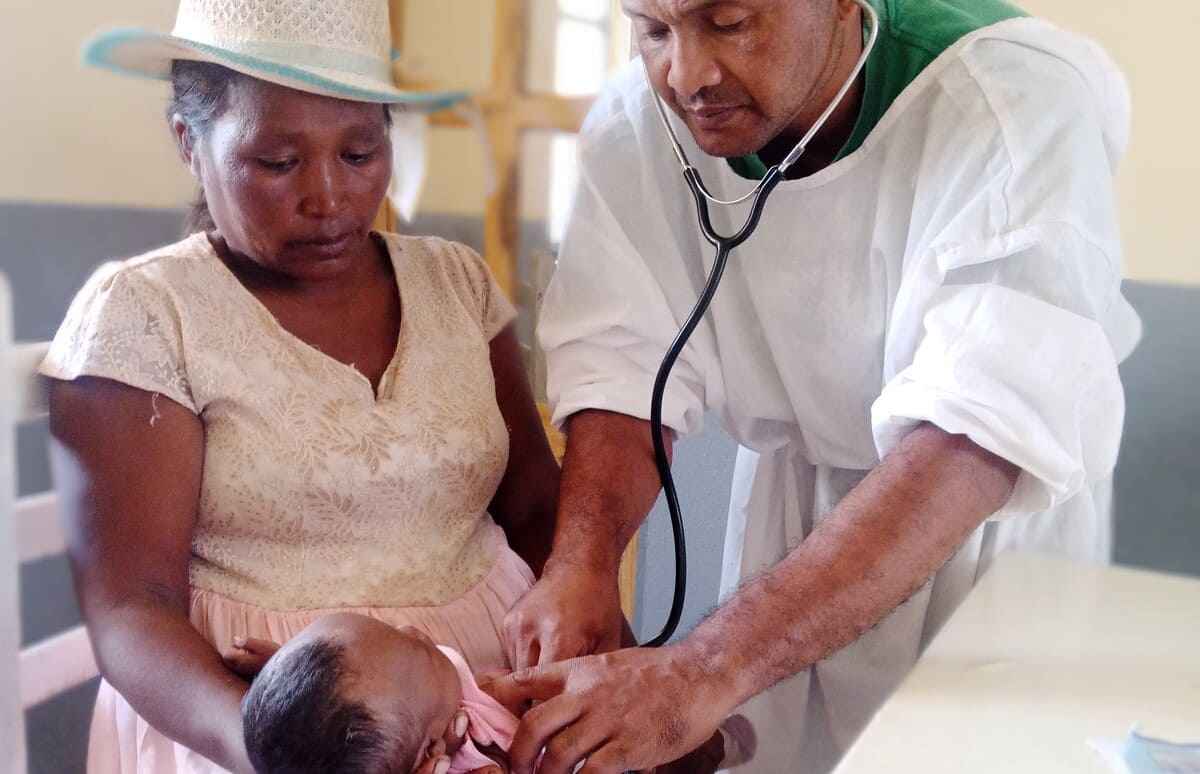
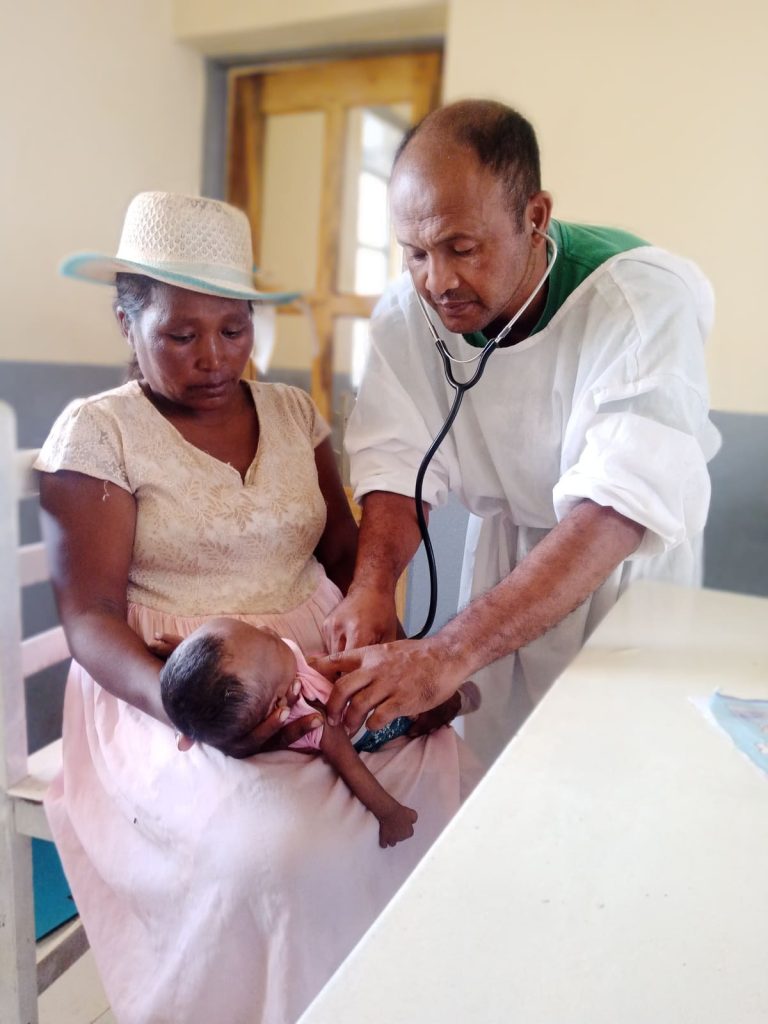
Jocelyn RAKOTOZANANY : The community doctor delivers primary health care, managing everything that can be handled on the spot.
Malaria is a good example. In some regions, the disease is widespread. Community doctors can diagnose it quickly and treat it, whether it is a straightforward case or a severe one. Communities have seen fewer malaria-related deaths since a doctor arrived.
There are also deliveries. In my village, the referral centre is 60 kilometres away. Getting there means hiring a vehicle, which can cost between 300,000 and 400,000 ariary — roughly 60 to 80 euros. During the rainy season, the road can become impassable. In this context, the community doctor carries out deliveries. They may even find themselves managing complicated deliveries when referring the patient to the referral centre is simply not possible.
The same applies to surgical problems. The doctor cannot always treat them on the spot, but they can diagnose them and refer the patient. Without a doctor, people often turn to masseurs or traditional healers, which delays care and increases risk.
How does the project supported by L’Initiative facilitate the installation of these doctors?
Jocelyn RAKOTOZANANY : The project plans to install 18 doctors over three years. Each doctor covers a minimum of 7,000 inhabitants — meaning around 126,000 people who will be able to access quality healthcare in rural areas.
To support installation, we first provide medical equipment: a complete practice kit and a starter stock of medicines. We also offer theoretical and practical training to ensure doctors are well prepared for the realities of rural practice.
The theoretical training lasts ten days and covers the challenges candidates may face when setting up, as well as paediatrics, obstetrics and gynaecology, time management, practice management, medical ethics, and financial management. A community doctor must be a clinician, a manager, and an entrepreneur all at once.
This is followed by ten days of practical training with experienced supervising doctors — senior practitioners trained to support new candidates in the field.
But the support does not end at installation. We follow up with doctors every three months. We also organise mentoring, with more experienced doctors travelling to share their knowledge. And every six months, peer exchange sessions bring together doctors from the same region to share challenges and benefit from continuing medical education.
You went through this installation experience yourself. What did it teach you?
Jocelyn RAKOTOZANANY : I am a general practitioner. I graduated from medical school in 2004 and opened my own practice in 2005, on the outskirts of Antananarivo. I had found the funding myself to buy equipment and rent premises — but it did not work. The practice struggled, patients did not know a doctor had set up nearby, and the running costs were too high.
I then discovered Santé Sud’s programme for supporting young doctors in setting up practice. It addressed everything I had been missing: I had not been trained in community medicine, I did not have the necessary equipment, I had no funds to buy medicines, and there had been no community outreach.
So I decided to work with Santé Sud. In January 2006, I set up in Malavola, 175 kilometres from Antananarivo — the last 16 of which are on a track that becomes impassable in the rainy season.
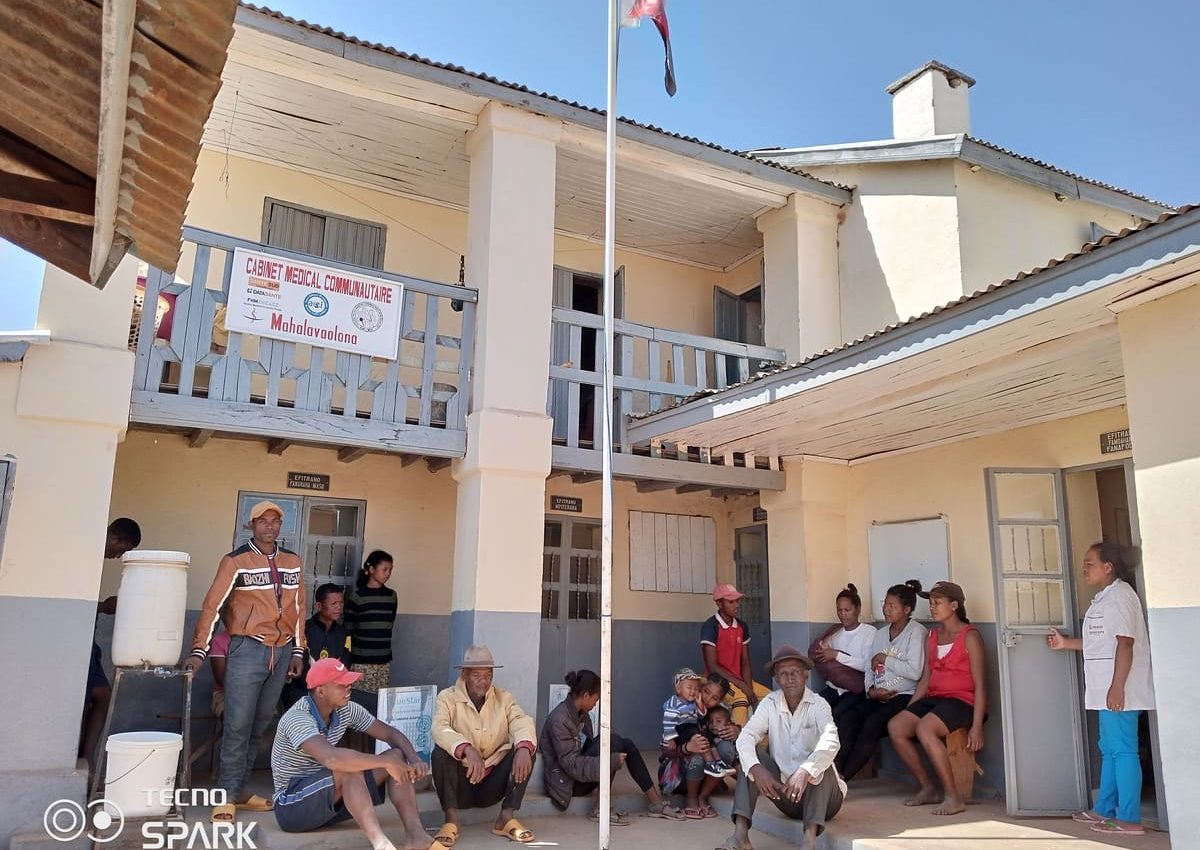
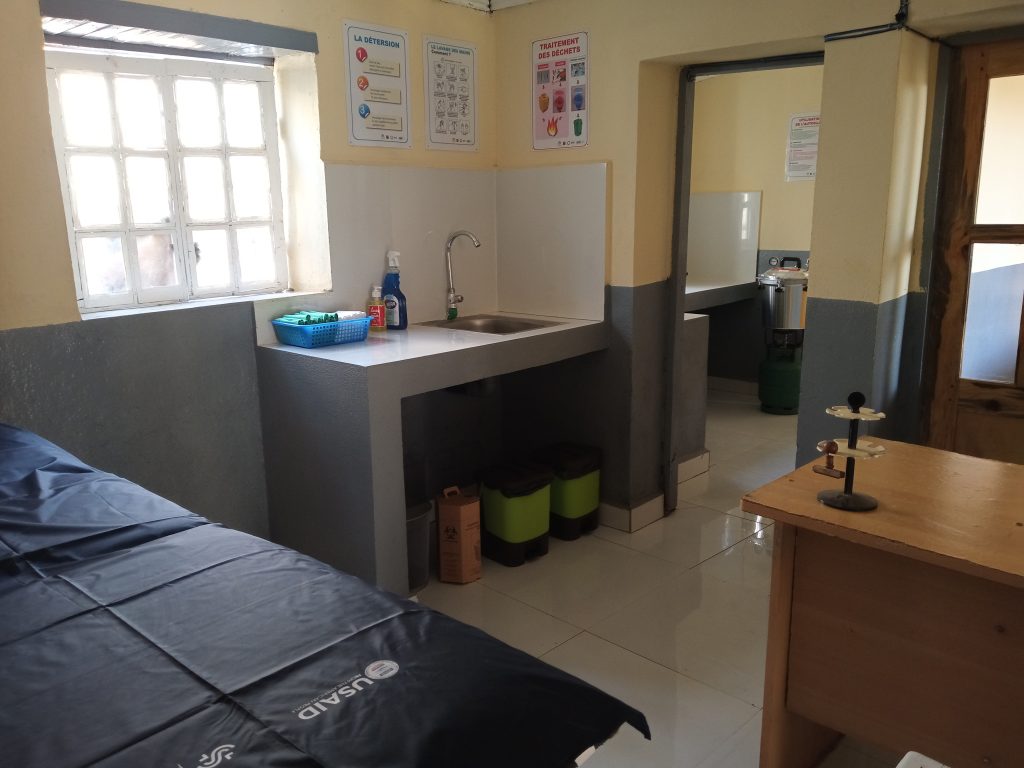
At the start, we used premises lent by the community. A year later, the community decided to build a practice, because they could see that having a doctor there was essential. Residents pooled their contributions. Today, the practice includes a consultation room, a treatment room, a delivery room, a monitoring room, and living quarters. We have also taken on a midwife and a dispensing assistant who manages the medicines. On average, we see around 300 patients a month.
This experience shows that setting up a practice does not rest on the doctor alone. It takes a mobilised community, equipment, training, follow-up, and sustained support over time.
What are the main challenges to scaling up this model?
Jocelyn RAKOTOZANANY :The first is institutional recognition. We are beginning to work with the Ministry of Health, but some community doctors are still not recognised by the health districts. A community medical practice should, in principle, be included in the district health map and considered a basic health centre.
In some regions, this is not yet the case. Doctors are not always seen as actors within the health system. But things are beginning to change — notably with the signing of a partnership agreement between AMC MAD and the Ministry of Health. It is a first step toward recognition.
The second challenge is scale. Installing 18 doctors over three years matters, but it is not enough given the country’s needs. We want to extend this model to other regions of Madagascar. In the coming years, we believe it would be feasible to install around twenty doctors a year, as students are becoming more aware of the association and want to work with AMC MAD.
But scaling up is not simply about installing more doctors. They also need to be trained, equipped, supported, and fully integrated into the health system. That is what will allow them to sustainably fulfil their role as essential links in the chain of rural healthcare access.