

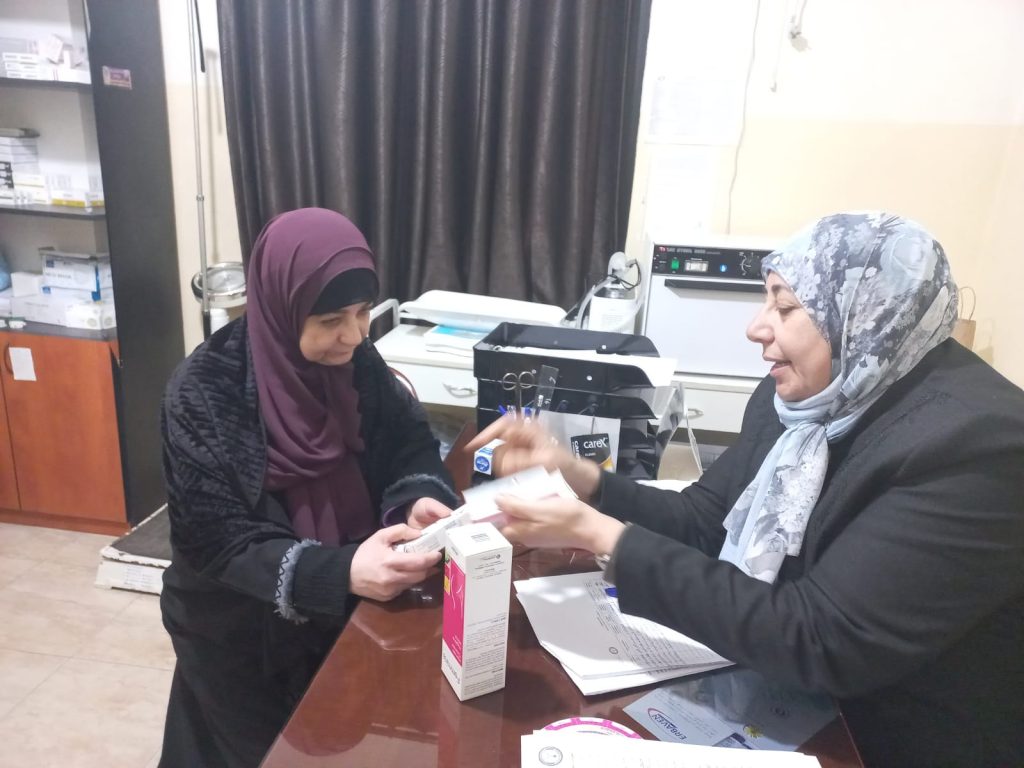
In Lebanon, the MARSA’s association project promotes equitable access to sexual and reproductive health by strengthening and decentralising inclusive, non-stigmatising healthcare services for the most vulnerable populations.
Context
Lebanon has been experiencing a major socioeconomic crisis for several years, exacerbated by conflicts since 2023, which has weakened the healthcare system and increased financial and geographical barriers to care. Populations already exposed to discrimination—including women, displaced people, LGBTIQ+ people, deaf people, migrant workers and sex workers—are among those most affected by stigma and the rising cost of services. Access to inclusive, affordable and non-stigmatising sexual and reproductive health (SRH) services remains highly limited, particularly outside Beirut. Building on the achievements of the first phase, this second phase aims to consolidate and sustainably decentralise service provision for these populations.
Description
The project is being implemented in Beirut and several other regions (Tripoli, Akkar, Bekaa, Tyre, Matn and Hasbaya). Using a gender-sensitive approach, it is structured around four key areas of intervention:
- Empowering individuals through peer education: training peer educators from within the communities and delivering health promotion sessions based on a non-judgemental approach, to help people make more informed and autonomous decisions about their care;
- Decentralising and expanding healthcare services: delivering up to 10,000 SRH services (consultations, cervical screening and testing) through midwives and local partners, and opening a clinic providing care for LGBTIQ+ survivors of sexual violence;
- Strengthening healthcare professionals’ skills: providing annual training for healthcare professionals across the country on delivering inclusive, non-stigmatising services;
- Advocating for inclusive SRH: implementing a joint advocacy strategy involving all four partners and targeting municipalities, the Ministry of Health, the national programme and United Nations agencies.
Impact
The project aims to sustainably improve access to quality sexual and reproductive healthcare for the most vulnerable populations by developing services tailored to their needs, training healthcare professionals to provide welcoming, non-stigmatising care, and strengthening community-based support to facilitate access to healthcare. By also promoting the integration of these needs into national policies, the project lays the foundations for a sustainable, decentralised and replicable model serving the most marginalised populations.