
REACH Ethiopia : Adapting Tuberculosis Care to Pastoralist Realities
In Ethiopia’s Afar region, conventional tuberculosis control models quickly reach their limits when faced with mobile, dispersed and remote pastoralist communities with limited access to health services. The REACH Ethiopia project has developed a community-based approach that brings screening, diagnosis and treatment closer to where people actually live and move. Yusuf Ali, project manager and himself from a pastoralist community in Afar, reflects on how the project adapts to these realities, and on the challenges that remain.
Why is tuberculosis so difficult to address among pastoralist communities in the Afar region, and why do conventional health approaches fall short?
Yusuf ALI : The tuberculosis burden in this region is very high. Pastoralist communities face a combination of factors that make them particularly vulnerable: malnutrition, a mobile lifestyle that keeps them far from health services, widespread illiteracy, limited access to information and very low awareness of tuberculosis.
Health service coverage is consequently low, especially in the three project zones – Awsi Rasu, Kilbet Rasu and Gabi Rasu – which are high TB burden areas. There are no TB services adapted to these communities, as health facilities are usually located at district level or in major towns such as Semera. The population is very dispersed: pastoral communities are not settled in one place, moving to very remote areas, far from conventional health facilities. The regional government cannot build health centres everywhere people move.
How does REACH Ethiopia respond to these challenges?
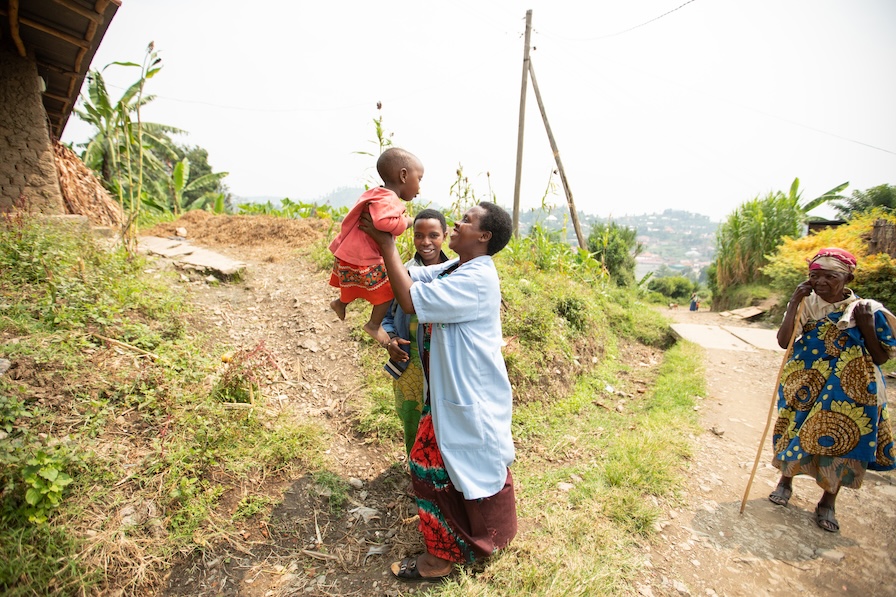
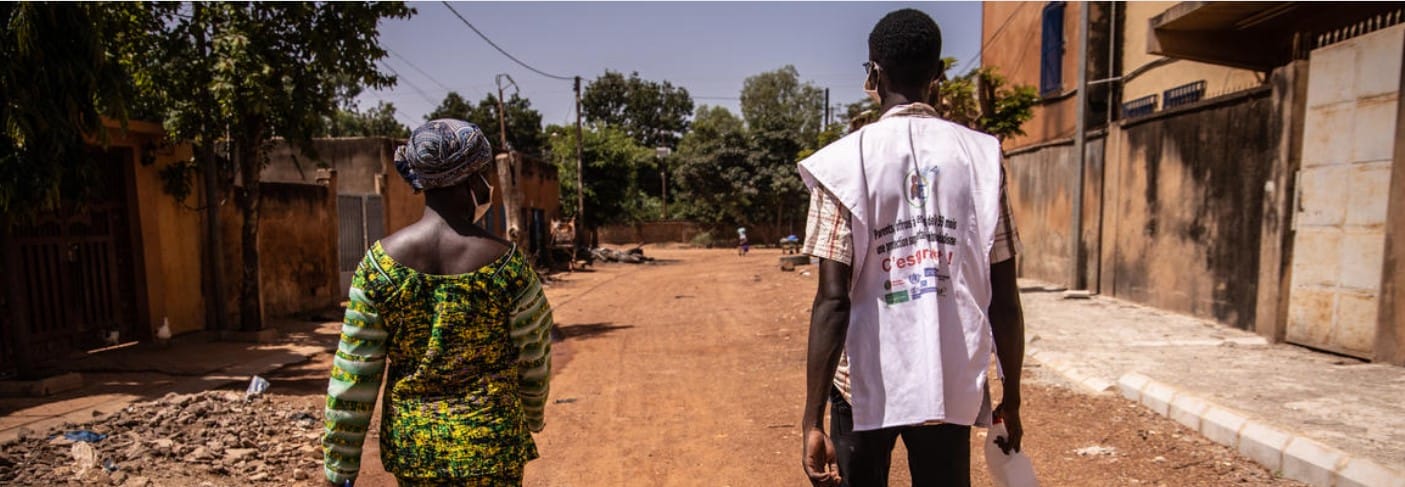
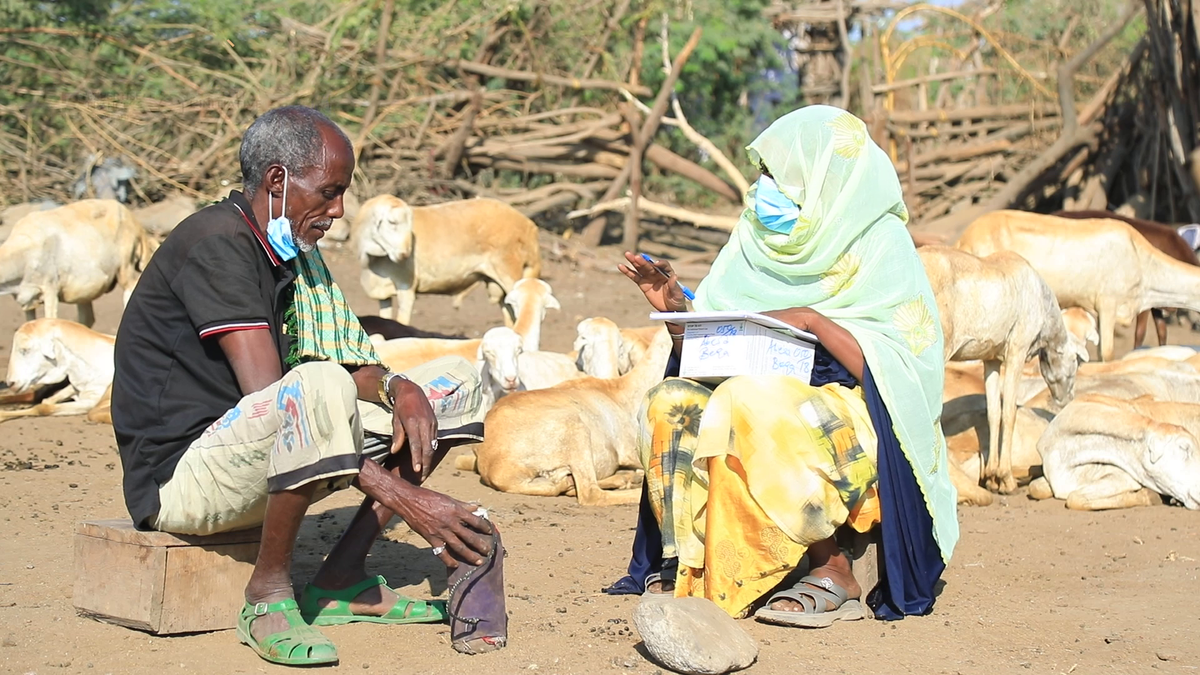
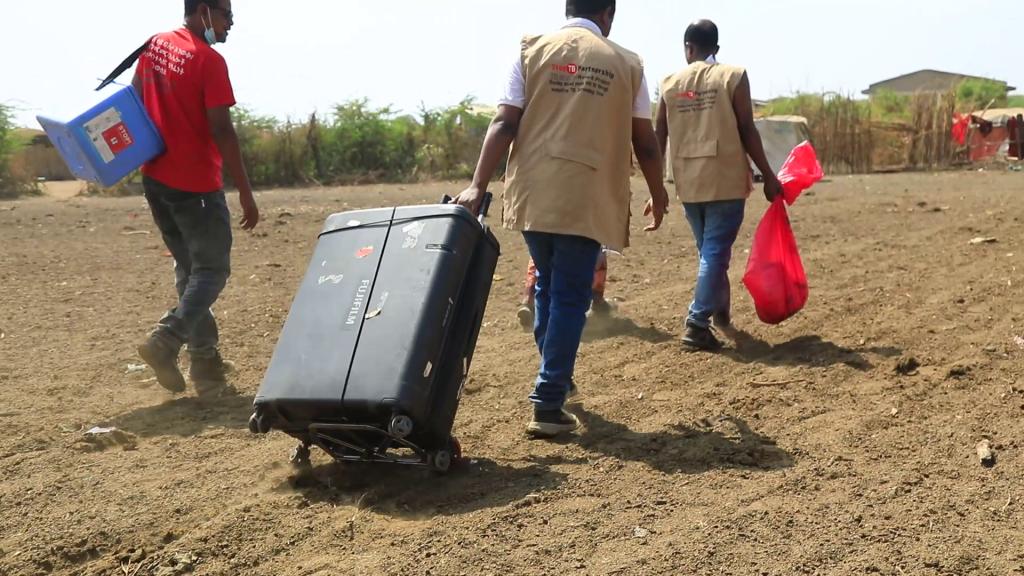
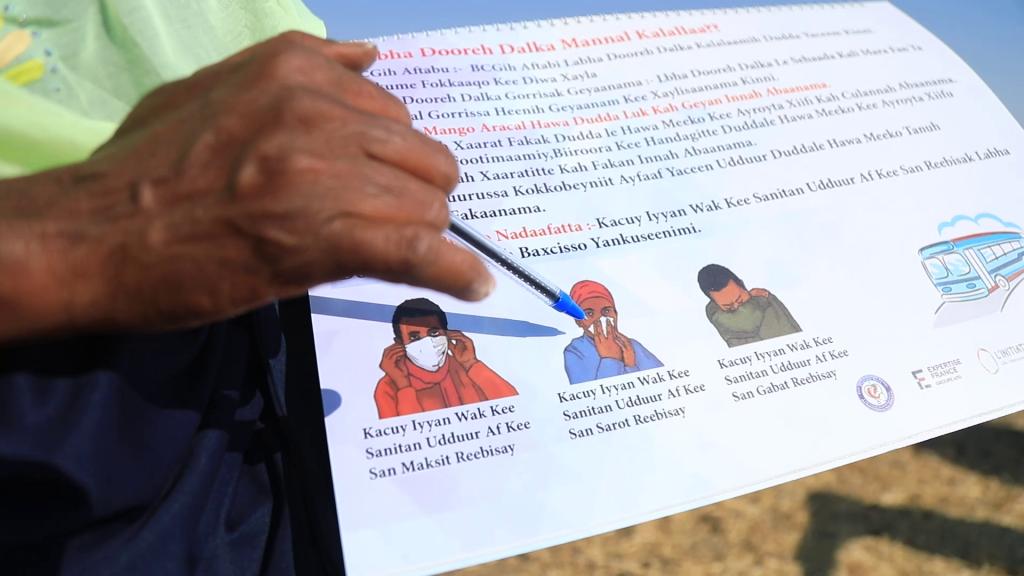
Yusuf ALI : REACH Ethiopia has built a community-based system by recruiting and training around 50 volunteers from the communities they serve. Because they move with their communities and are part of them, they can raise TB awareness, screen people for symptoms and refer presumptive cases to health facilities, fully integrated into the government health system. Each volunteer uses visual referral tools to facilitate rapid screening and referral to laboratory services. Volunteers also provide community-based directly observed therapy, following patients daily to support treatment adherence and completion. Around 30 of the volunteers are women – often the most committed and most accepted in the community, going from house to house to support treatment and follow up with patients.
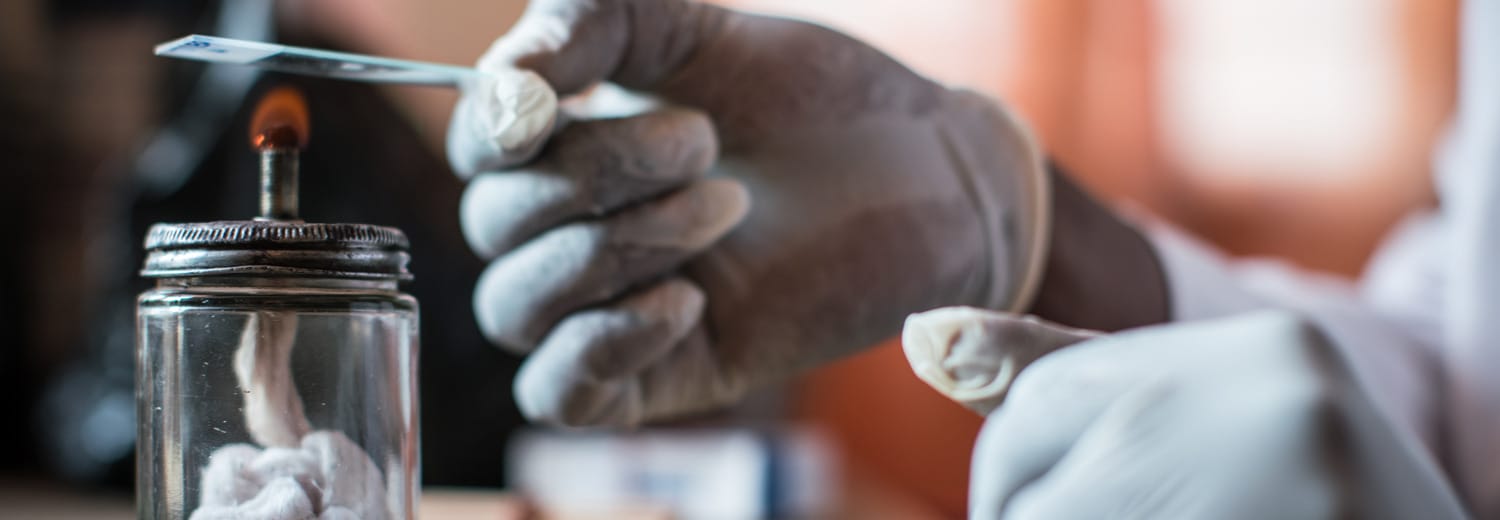
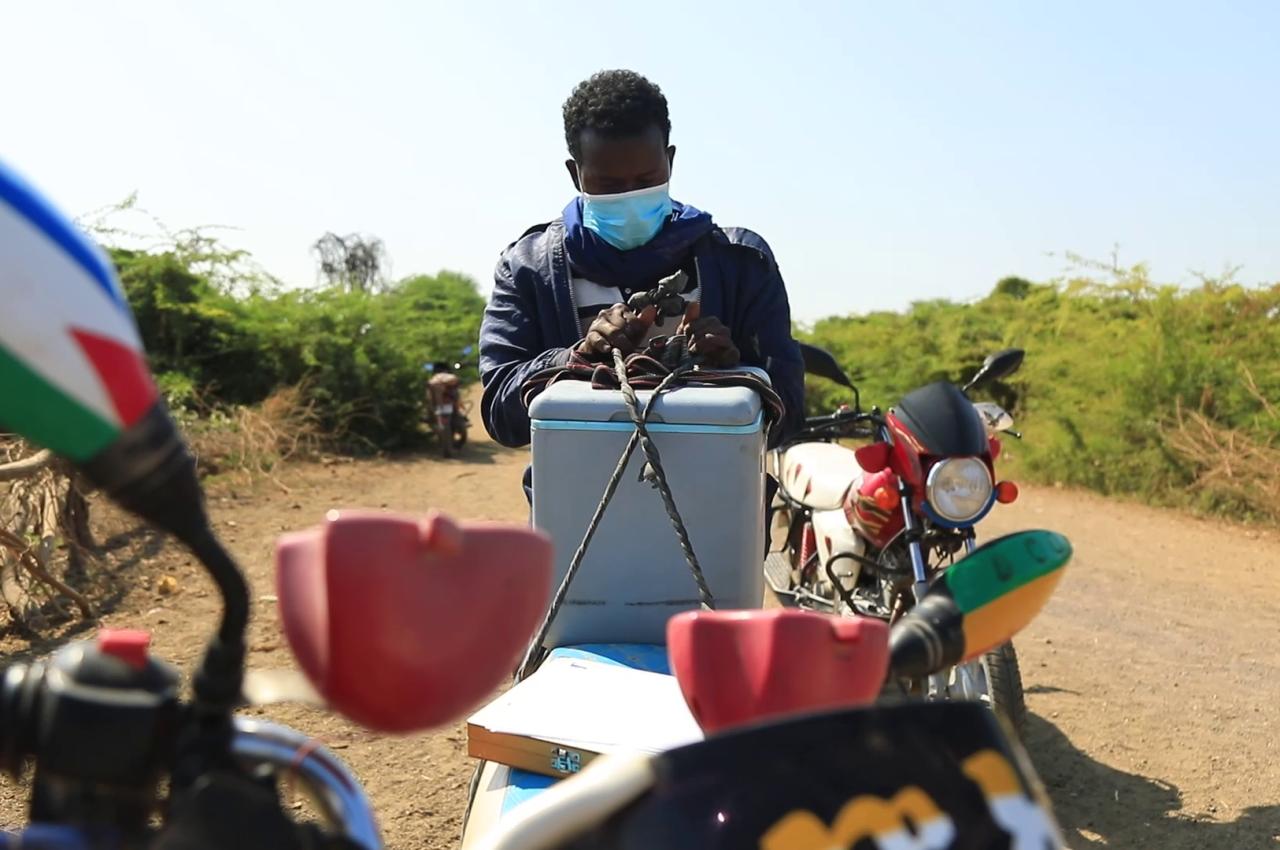
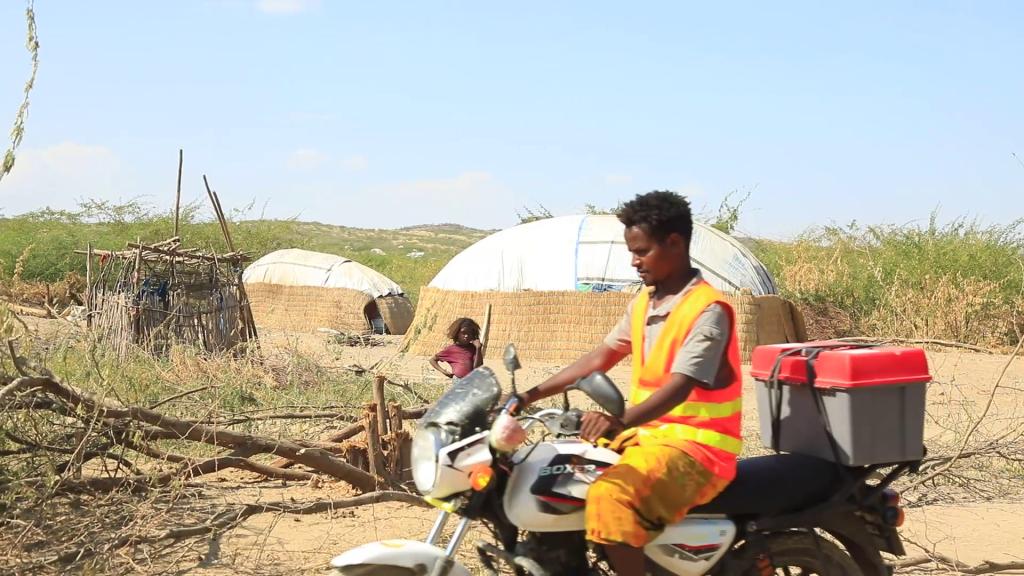
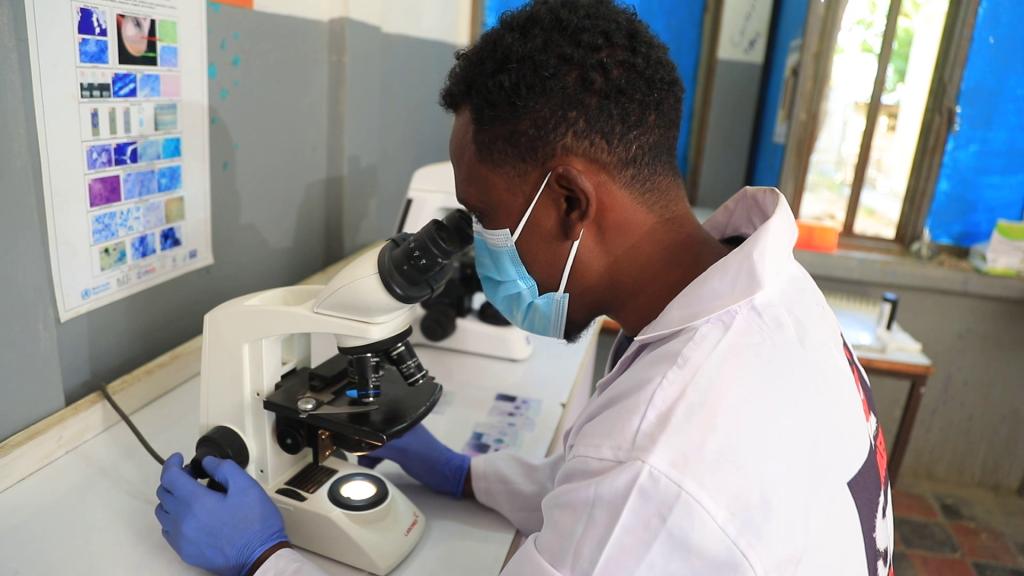
To address the distance problem, REACH established a motorbike-based sample transport system. Formal agreements were made with local motorbike associations, whose riders are part of the community and were trained in standard sample transportation and triple packaging. This system allows samples to be collected wherever patients are and delivered quickly to diagnostic health facilities, with riders also bringing back test results to community volunteers. In areas with limited connectivity and no access to roads or a specimen transportation system, this human relay is the only way to close the loop between screening, diagnosis and treatment initiation.
Women make up the majority of volunteers. But what specific barriers do they face in accessing tuberculosis services in these communities, and how has the project tried to address them?
Yusuf ALI : Women in pastoralist communities face multiple overlapping barriers in reaching health services: a heavy workload –including travelling long distances to fetch water and being responsible for the household-, widespread illiteracy, and limited decision-making power. These obstacles have a direct impact on their access to TB care: in the early stages of the project, women represented only 43.9% of people screened for TB.
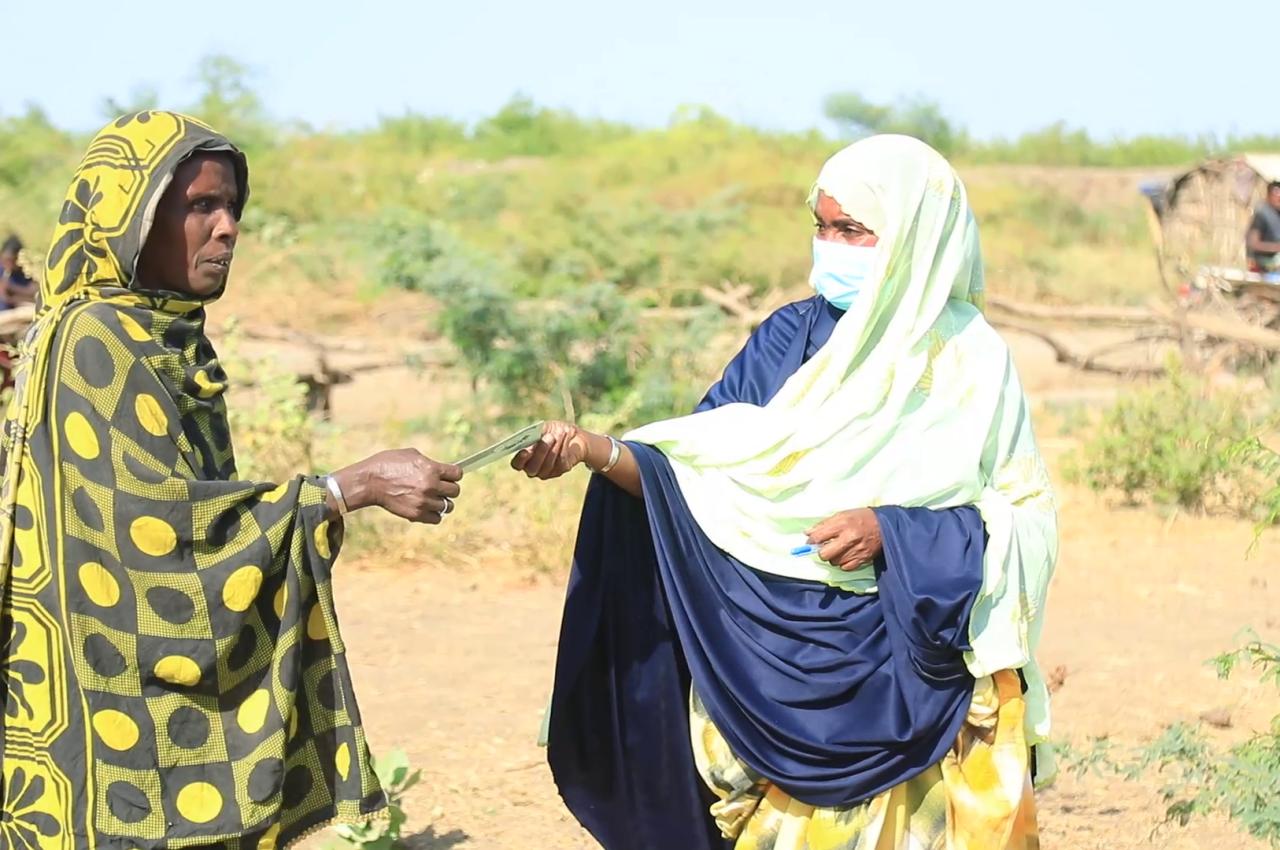
The project responded by mobilizing women as much as possible. It identified and trained women from local women’s development groups and remote kebeles (wards), integrating them into the community volunteer network. These women volunteers shared information and raised awareness with their families and in their own areas through community dialogues and forums, in the local language and according to local customs. These volunteers have proven particularly effective: for example, one volunteer in the town of Gawane combines her daily water-fetching route with household TB education visits three times a week – and helped identify MDR-TB cases involving both a father and child in a remote kebele.
How is the DAGU system used in this project, and what does it make possible in terms of communication, mobilization and information-sharing?
Yusuf ALI : The DAGU system is a traditional oral communication system widely used and trusted within the Afar community.
In Afar, the messenger matters. When it comes from a clan leader, it travels further and is more easily accepted. This is why the project uses existing community structures by training clan leaders, religious leaders and youth representatives in each woreda (district), in the local language, so they can disseminate TB information through their own networks using the DAGU system.
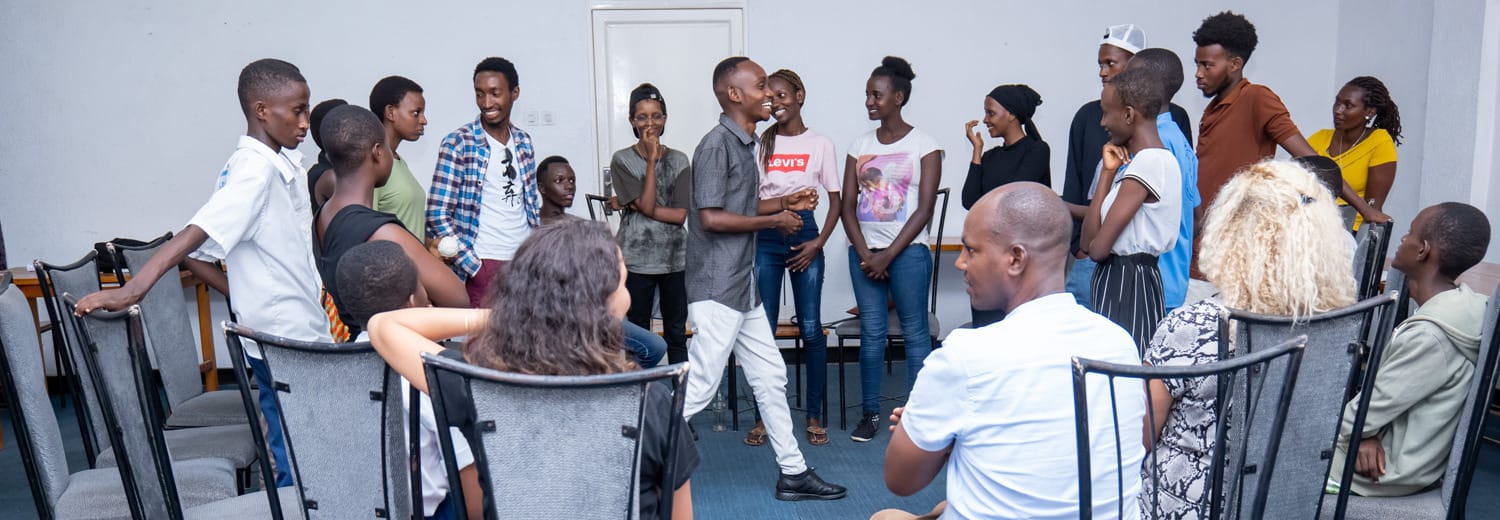
The project also organized social mobilization activities, such as community dialogues and forums, to discuss TB prevention, challenges and referral linkages. Awareness-raising materials in the local language were also produced and distributed.
What has changed concretely since the start of the project?
Yusuf ALI : TB case identification and reporting have increased significantly. Before the project, eight to ten remote health facilities reported zero TB cases, because there were no TB clinics, no equipment and no trained staff. Once TB clinics were established closer to communities and community volunteers mobilized, cases started being detected: some facilities reported four, six, even ten new cases within a year.
Without these activities, some lives would have been lost because people did not have information about TB diagnosis or treatment early.
Across the 60 health posts supported, TB care has also been strengthened: clinics are now better equipped, and health professionals have received substantial capacity-building.
But beyond infrastructure, the relationship between communities and health services has fundamentally changed. Volunteers are no longer seen as external project staff – they are fully embedded in the district health system, reporting through the primary health care unit, making referrals and contributing to routine community health services. The project does not replace government activities: it supports and strengthens them.
What are the main challenges that still limit the project’s impact?
Yusuf ALI : Two major challenges persist.
The first is instability and displacement. Conflicts in neighbouring regions and a recent earthquake displaced populations. The project responded by deploying health materials, sample transportation and screening in IDP sites. Insecurity has since improved, but the risk of displacement and health emergencies remains a constant constraint in the region.
The second is staff turnover: inflation and low public-sector salaries push trained health professionals to leave, weakening service continuity and eroding part of the capacity built through the project. Motivation is maintained through supervision, coaching and support, but the problem remains structural.
The project ends in 2026. What would be needed to sustain the gains and integrate this model into the routine health system?
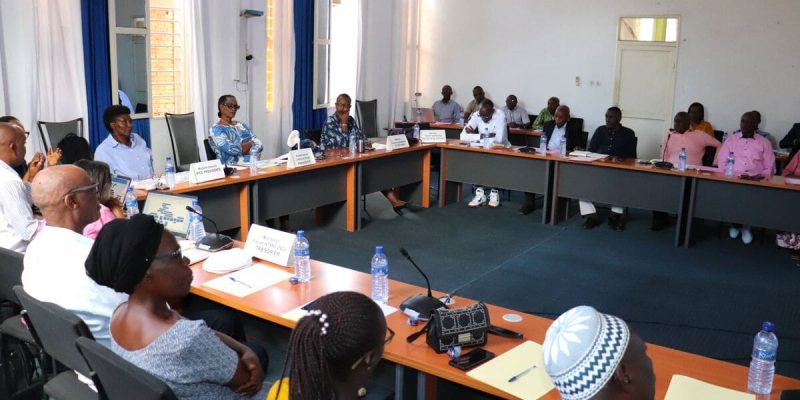
Yusuf ALI : The Regional Health Bureau has accepted the strategy. We have demonstrated its results and effectiveness through regular discussions and review meetings. However, government sustainability remains difficult: inflation, low salaries and the region’s focus on post-conflict rehabilitation all limit capacity to take over. Additional time and resources would help consolidate the model and support its progressive integration into the regional health system. Expanding modern, cost-effective diagnostic equipment to more facilities and additional woredas would also be a key step toward lasting integration.
What is the main lesson of the REACH Ethiopia project?
Yusuf ALI : For mobile communities, a community-based approach is the most effective strategy. You cannot build health facilities everywhere, and mobile health teams alone are too costly. But if you train and equip trusted community volunteers and local leaders, they move with the patients, support treatment adherence, and detect cases that would otherwise be missed.
Community-level TB case detection rose from nearly zero to 24% in the project areas – compared to only 3% in areas outside the project. Bringing services to where people live, through people they trust, works.