
Fewer resources, unwavering commitment: ANSS-Santé PLUS facing the withdrawal of international funding
Hit hard by cuts to international funding since early 2025, ANSS-Santé PLUS – a pioneer in the fight against HIV in Burundi since 1993 – is reorganizing to preserve its core missions without abandoning the people it serves. Martine Kabugubugu, Executive Director, reflects on this challenging period and on what it reveals about the essential role of community organizations in the HIV response.
What role does ANSS-Santé PLUS play today in the HIV response in Burundi?
Martine KABUGUBUGU : ANSS-Santé PLUS operates on the front line across two main areas: preventing HIV transmission, and providing care for people living with or affected by HIV. We work with both the general population and key populations – those at highest risk of HIV infection: men who have sex with men (MSM), sex workers (SW), and people who use drugs (PWUD).
We currently cover 8% of the national active patient cohort, making ANSS-Santé PLUS the leading community organization involved in HIV care in Burundi.
This leadership position is partly rooted in the organization’s history. What does that pioneering legacy mean today?
Martine KABUGUBUGU : In the early days, ANSS was almost the only organization providing care for people living with HIV. Through a project to strengthen coordination among community actors, we were able to support other organizations in building the same capacity. At the time, we covered the vast majority of the national active patient cohort. The decline in that percentage reflects, in part, a government-led decentralization process that enabled other actors to expand their reach.
What this legacy stands for, above all, is a culture of innovation. We were pioneers in comprehensive HIV care, then in therapeutic support, and today we continue to lead in diversifying services – particularly around HIV-related comorbidities, an area still largely underserved by other actors in the sector.
The context changed dramatically in early 2025. How would you describe this shift, and how has ANSS-Santé PLUS been affected?
Martine KABUGUBUGU : The funding cuts have been massive. At ANSS, we lost 49% of our salary budget, forcing us into a profound restructuring. We are not alone: civil society as a whole has been hit hard, with many organizations having to lay off staff.
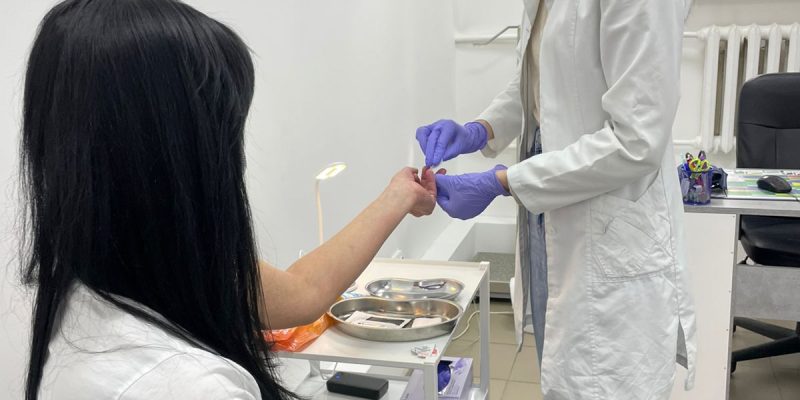
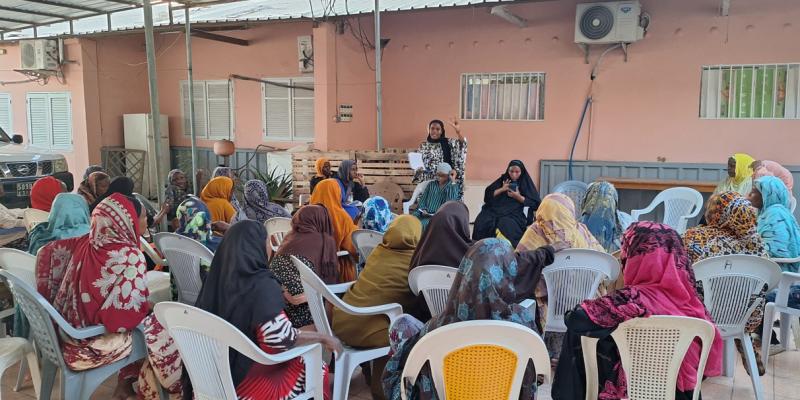
Community activities have borne the brunt of these cuts. Peer education, follow-up of key populations, prevention and access to viral load testing have all been affected. The workforce has shrunk significantly – and those most affected are the ones closest to communities: community health workers and care providers. Yet proximity to communities is precisely where the strength of associations lies.
What does this mean concretely for the people you serve?
Martine KABUGUBUGU : On prevention, the setback is already measurable: between 2024 and 2025, HIV testing dropped by 50%. Awareness-raising activities were no longer possible, and access to PrEP for key populations fell sharply – all of which creates a real risk of new infections.
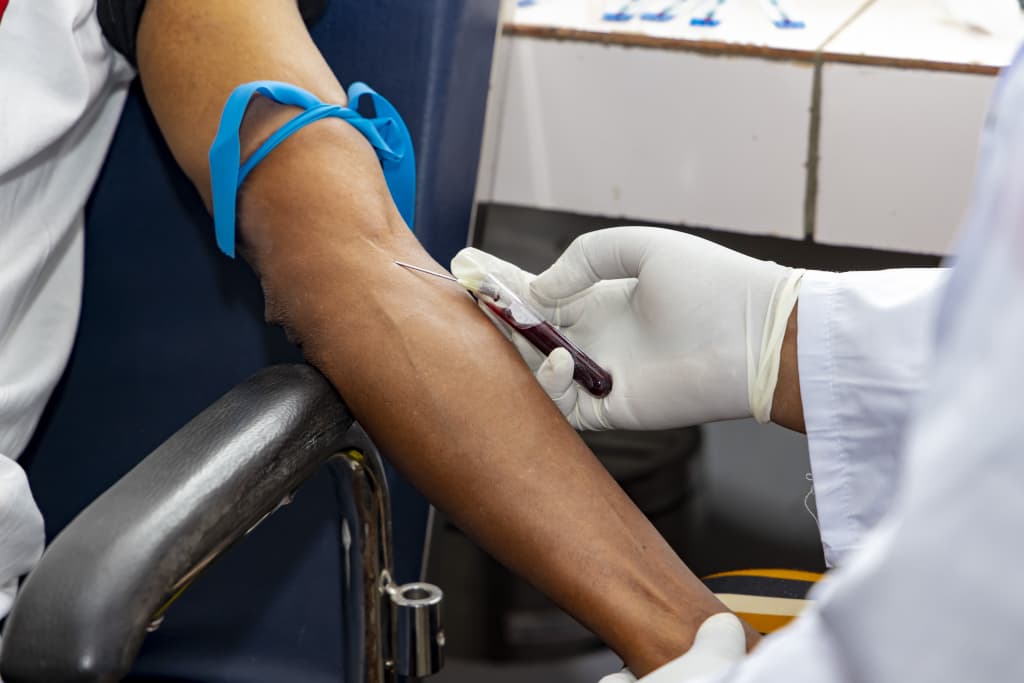
On care, the situation is more nuanced: medications remain available, but everything around them – testing, community support, access to viral load monitoring, sample transportation – has been seriously affected. These are essential links in the chain of quality care.
Faced with this situation, what choices did you have to make to maintain a minimum level of services?
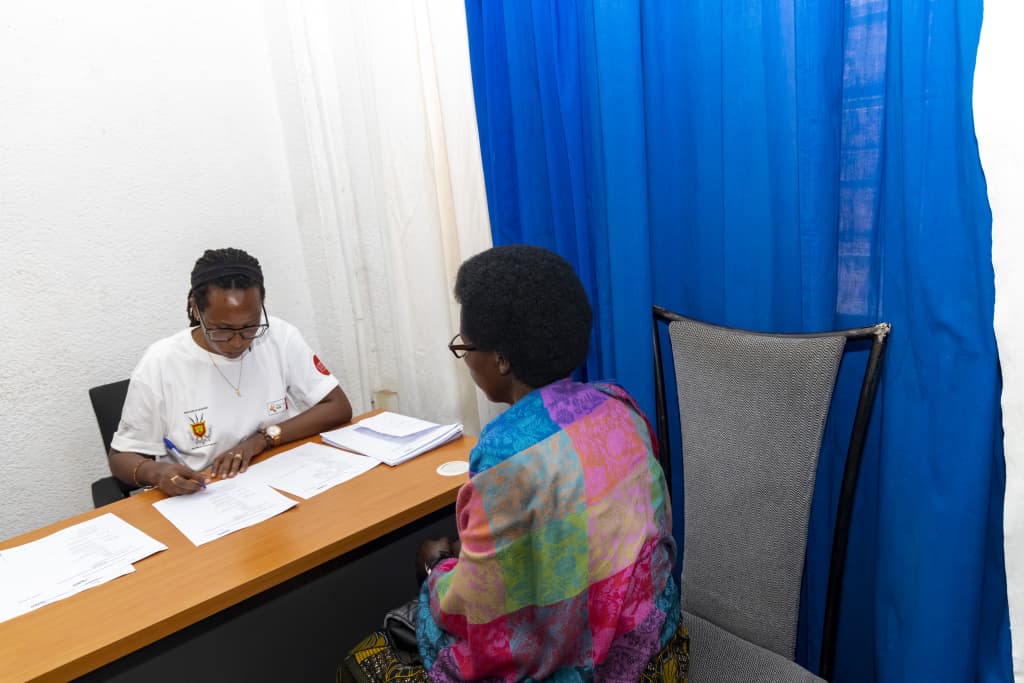
Martine KABUGUBUGU : The first step was to define the absolute minimum service package, and from there, identify the essential staff needed to deliver it. In practice, this meant going from two laboratory technicians to one, or having a single doctor cover up to 1,000 patients. Out of 35 positions, around twenty were considered essential. To keep these posts funded, we received transitional support from Coalition PLUS and Sidaction.
The other lever was multitasking. In a branch where we had a psychologist and a community life coordinator, we looked for a profile able to cover both roles. Where there were three nurses, we moved to one – taking on additional responsibilities in data entry and monitoring. At central level, the administration and finance departments were merged into one. The goal throughout was to ensure that, despite the layoffs, all tasks remained covered and service quality was maintained.
The imperative was clear: how do you preserve what has been built with a minimum of staff? That was the core challenge.
But delivering the same missions with fewer people has its limits…
Martine KABUGUBUGU : It does – particularly in terms of exhaustion and burnout risk. With reduced teams, even managing leave becomes complex.
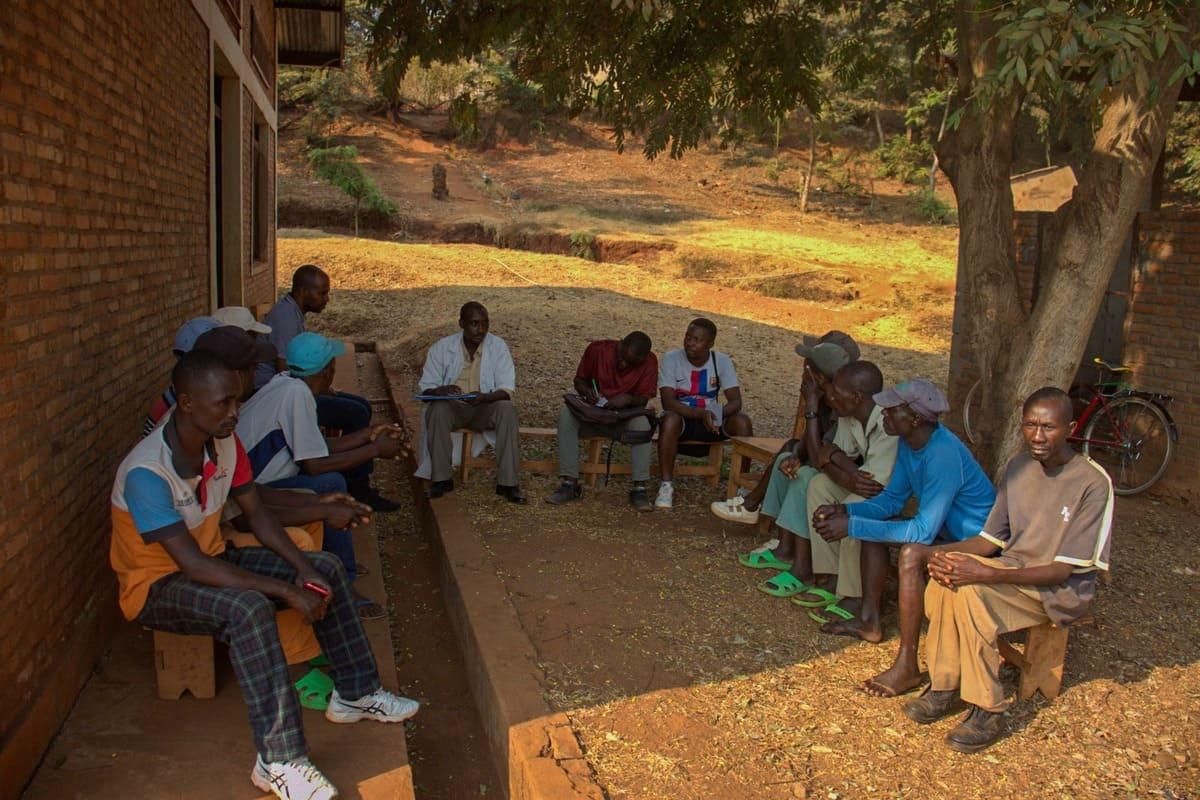
We work closely with health districts and the national programme to ensure coverage of essential posts, turning to them for short-term reinforcement or bringing in temporary staff when needed. We also rely heavily on volunteers: beneficiaries themselves take turns supporting day-to-day tasks. It is a collective commitment – but we remain vigilant. Keeping services running must not come at the cost of their quality.
In this context, what has L’Initiative’s support made possible?
Martine KABUGUBUGU : The restructuring deeply transformed our organization: merging departments, redefining roles, shifting responsibilities. But our management tools were no longer fit for this new reality, and we had neither the time nor the resources to update them.
L’Initiative’s support allowed us to overhaul our entire organizational framework to reflect the current context: organizational chart, administrative and financial procedures, human resources, procurement, job descriptions and performance frameworks.
This support also involved the association’s governance bodies, including the executive committee – ensuring that the organizational changes were aligned with ANSS’s strategic direction.
Beyond the immediate crisis, this work also helps us prepare for the future, particularly in view of upcoming Global Fund grants, by providing us with up-to-date reference documents.
What is the main challenge facing ANSS-Santé PLUS today?
Martine KABUGUBUGU : The challenge is to preserve the gains made in the fight against HIV despite shrinking funding.
In Burundi, we had reached and even exceeded some of the “3×95” targets. In 2025, we are already seeing setbacks on certain indicators. For example, between 2022 and 2024, the viral load suppression rate at ANSS stood at 97% – in 2025, it dropped to 95%. Technically, we remain at a high level, but the trend has reversed.
A phrase from Coalition PLUS captures the situation well: “The forest is burning, but the trees must remain standing”. ANSS is one of those trees – and if the tree falls, it falls on the grass below – our beneficiaries – who die with it.
We must remain united, including with other organizations. The priority now is coordination and complementarity – no duplication. We are working to federate, to focus, and to keep fighting.
We are confident: even with the minimum, and with the spirit of community solidarity and volunteerism, we will continue. We will not give up on our beneficiaries because funding has dried up. The mobilization goes on.