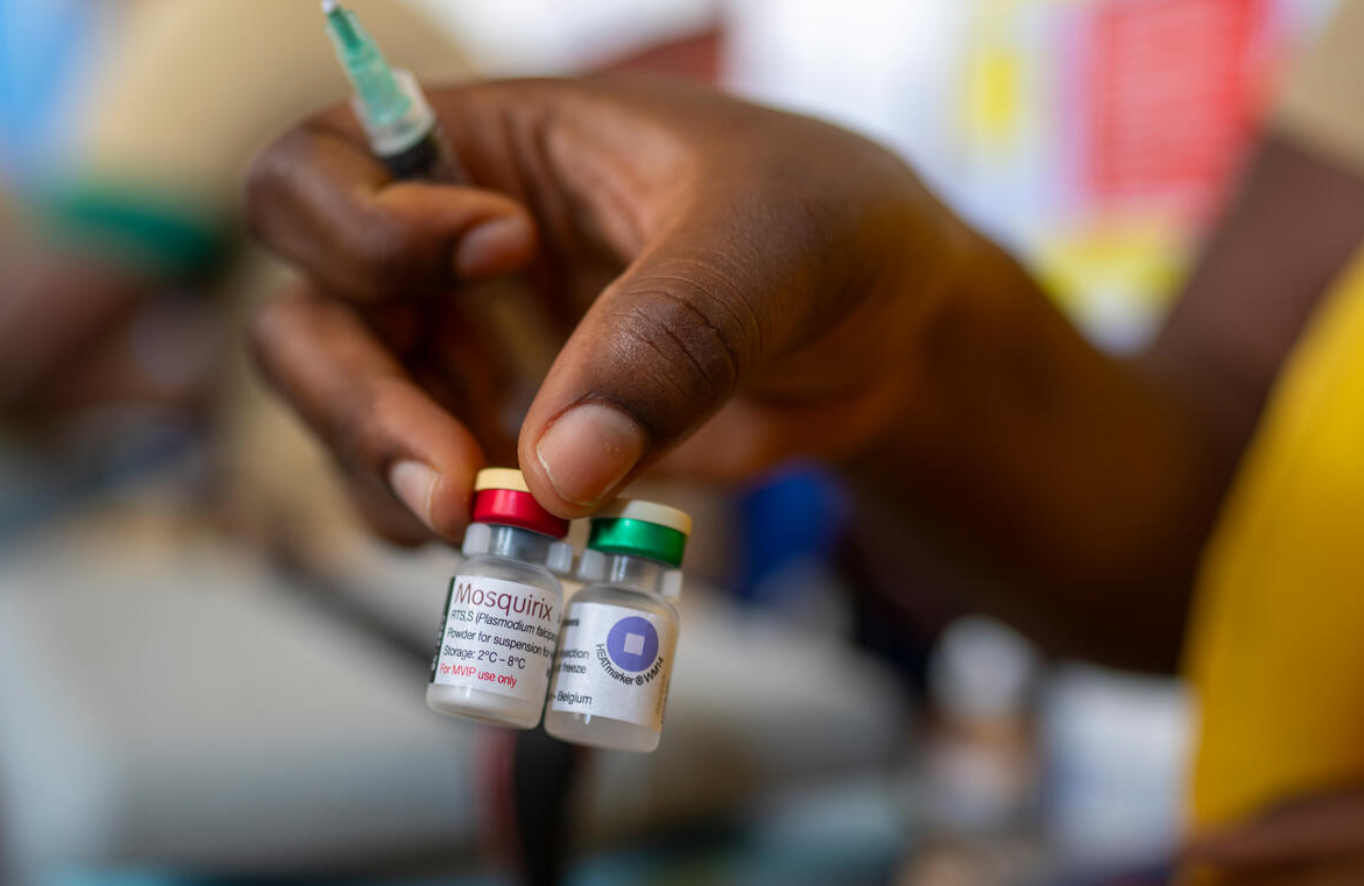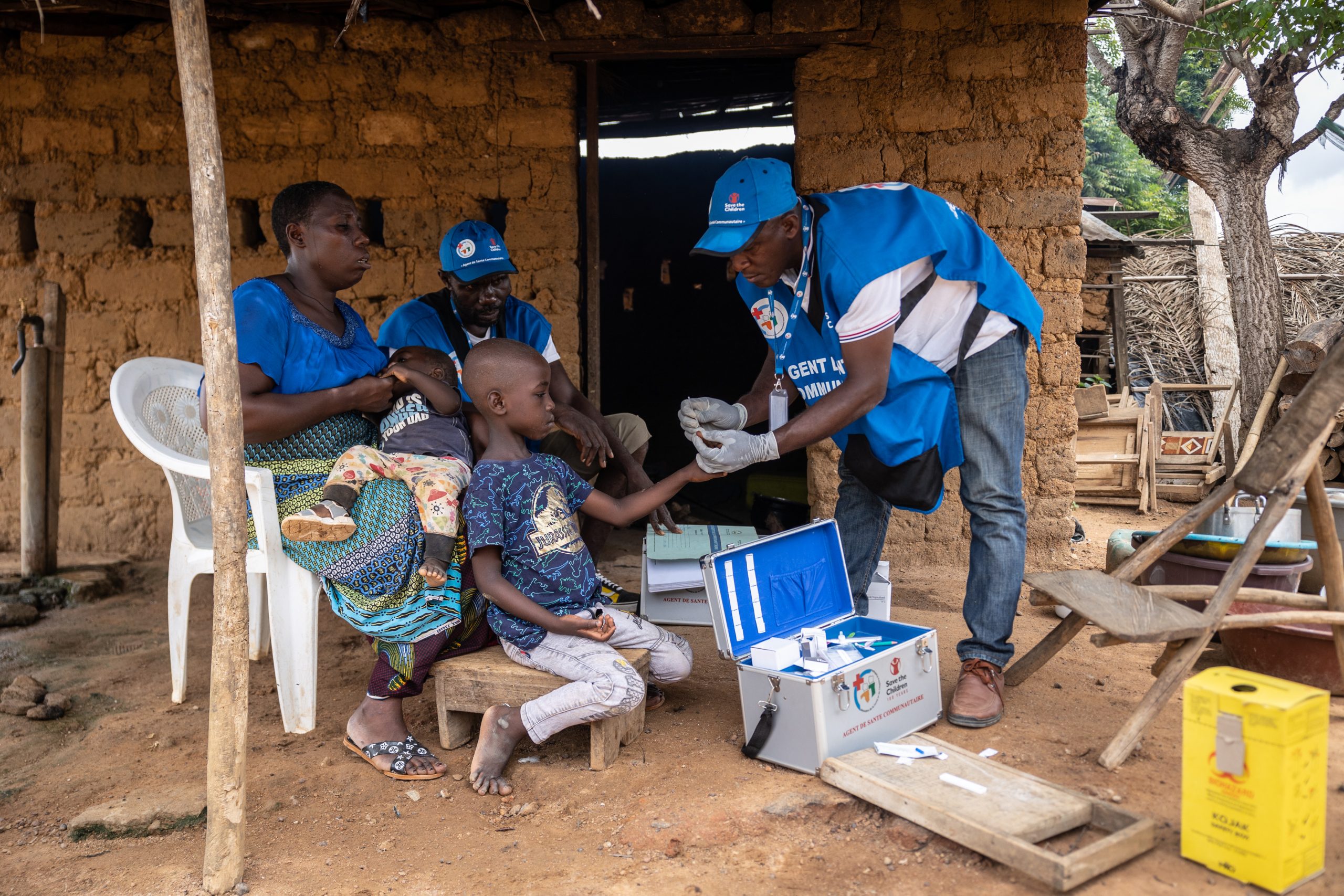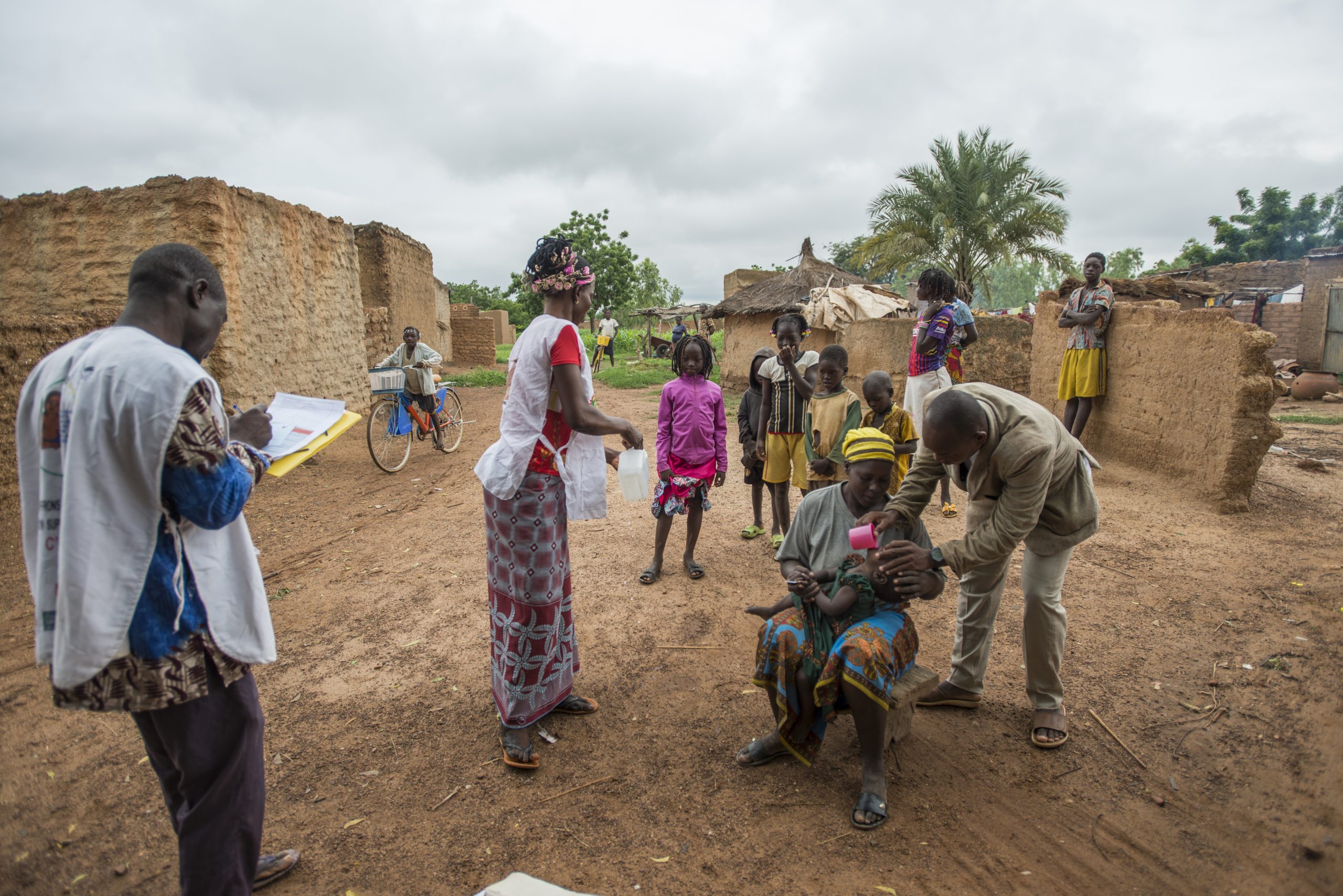

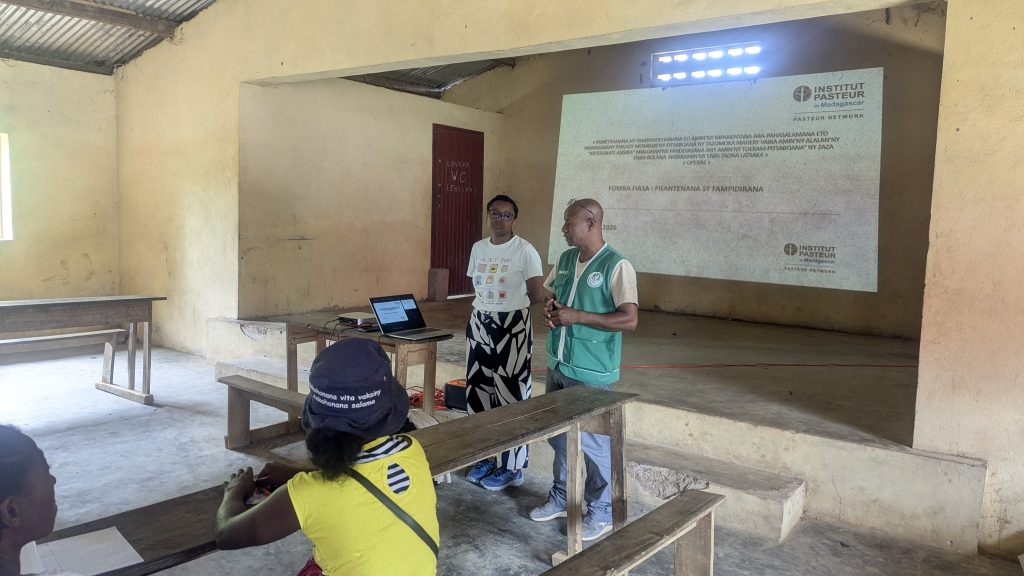
The OPERAS project focuses on district-wide rollout of rectal artesunate (RAS) through a network of trained community health workers, aiming to optimize referral rates and facilitate transfers to health facilities.
Context
Manakara district, on Madagascar’s East coast, is a high-malaria-endemic area where most households live far from health centres. Children under 6 are at highest risk of severe malaria. Early treatment is essential to reduce morbidity and mortality from severe forms, yet Manakara’s geographic and epidemiological context constitutes a major barrier to rapid access to care.
Description
The OPERAS operational research project aims to improve management of severe malaria in children across the 44 communes of Manakara district by introducing pre-referral administration of RAS by community health workers (CHWs), thereby significantly reducing mortality during transfers to facilities where injectable artesunate and definitive care can be provided. The project is built on a comprehensive protocol that includes:
- Recruitment, training and deployment of CHWs to administer RAS and refer patients;
- Strengthening the continuum of care: establishment of a medical-transport service (motorbike ambulances) to accelerate transfers to health facilities;
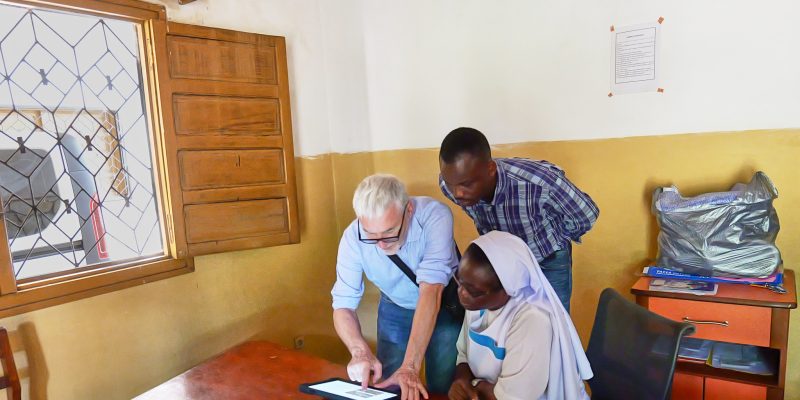
- Operational monitoring: stock monitoring, pharmacovigilance and collection of referral indicators;
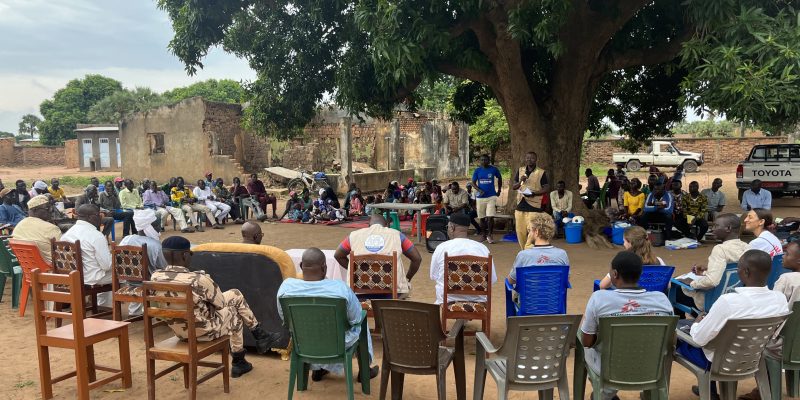
- Community mobilisation: awareness campaigns on symptoms and the importance of early care seeking;
- Health-system strengthening: real-time reporting of stock-outs and training needs to health authorities.
Impact
A large proportion of children with presumed severe malaria will gain rapid access to early pre-referral treatment with RAS and be referred to health facilities to ensure the recommended continuity of care.