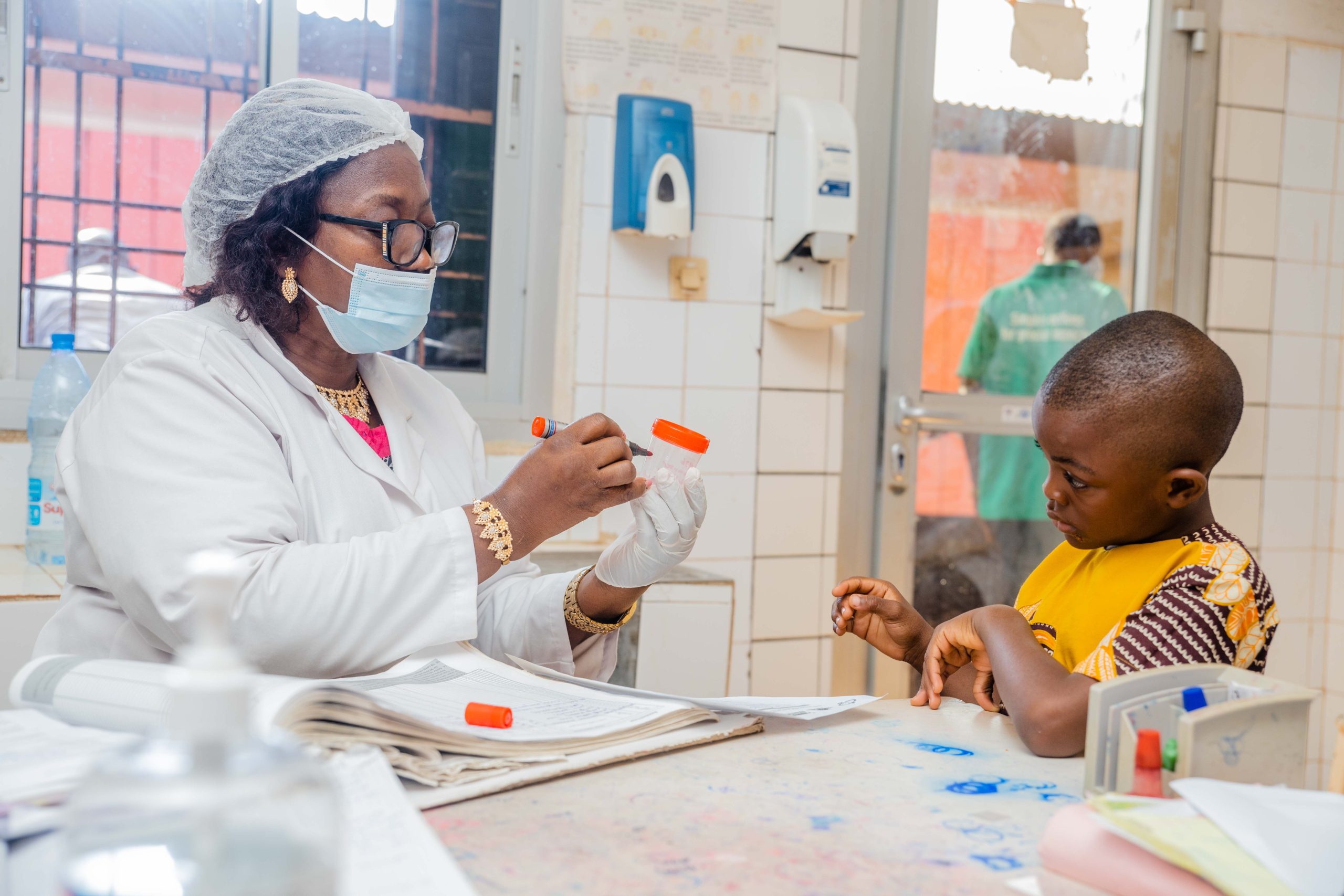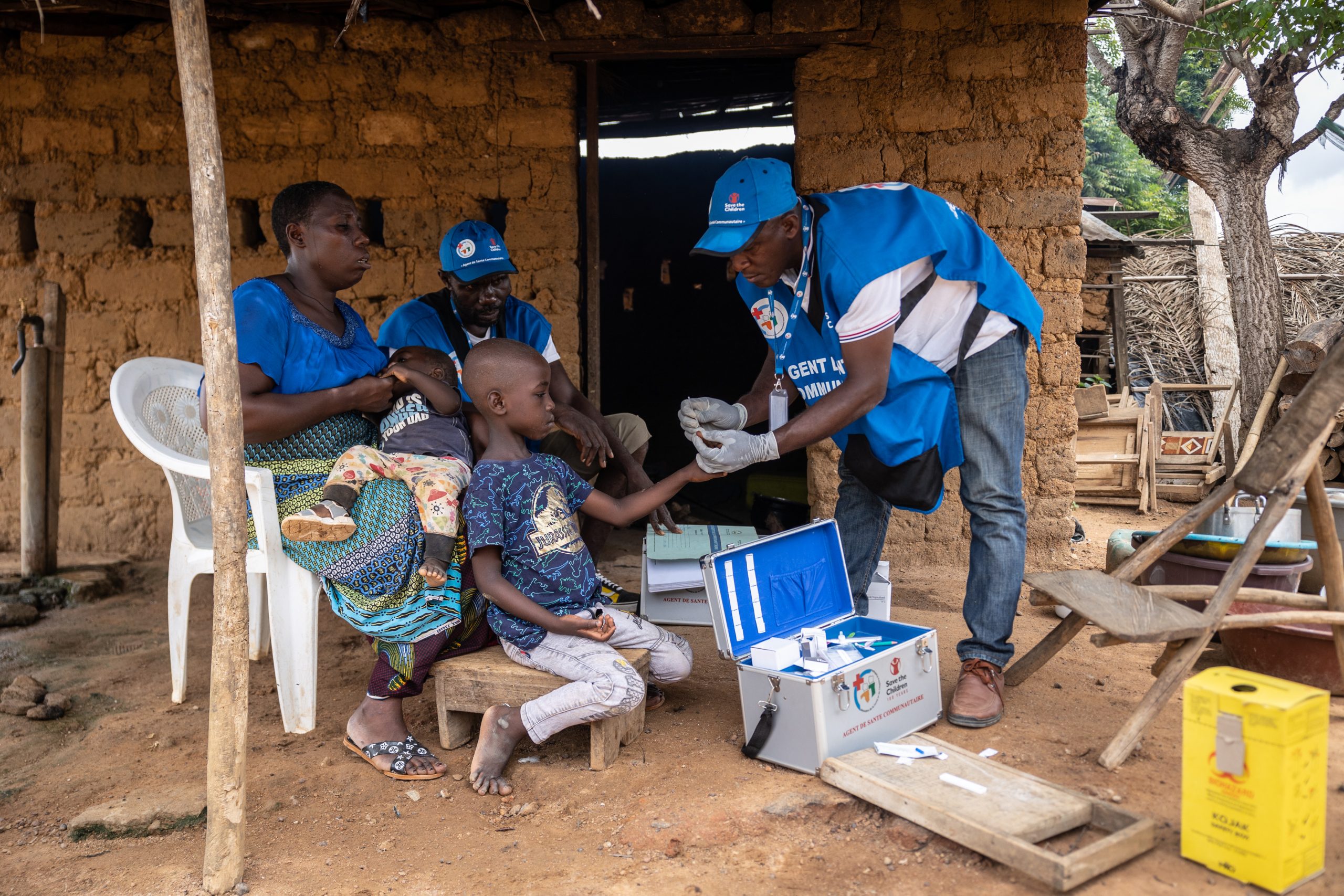

In the Central African Republic, MEDICINE improves care for febrile children under five through a digital diagnostic decision-support tool combined with simple tests, used in health centres and community settings.
Context
In the Central African Republic, febrile illnesses are a major cause of healthcare visits and mortality among children under five. Although rapid diagnostic tests facilitate the diagnosis of malaria, managing non-malarial fevers remains difficult due to limited access to laboratory testing. In the absence of tools for differential diagnosis, treatment is too often based on empirical approaches, particularly the prescription of antibiotics, sometimes without justification. Improving differential diagnosis is therefore a major priority for child health and health-system strengthening.
Description
Led by the Institut Pasteur de Bangui in partnership with the University of Strasbourg, the Ministry of Health and Population, and The MENTOR Initiative, MEDICINE is being implemented in three peri-urban health centres in Bangui. Using an intervention research approach and a gender-sensitive perspective, the project is developing a diagnostic decision-support tool combined with point-of-care tests, structured around four components:
- Identifying the causes of non-malarial fevers: establishing an overview of the main aetiologies among children under five;
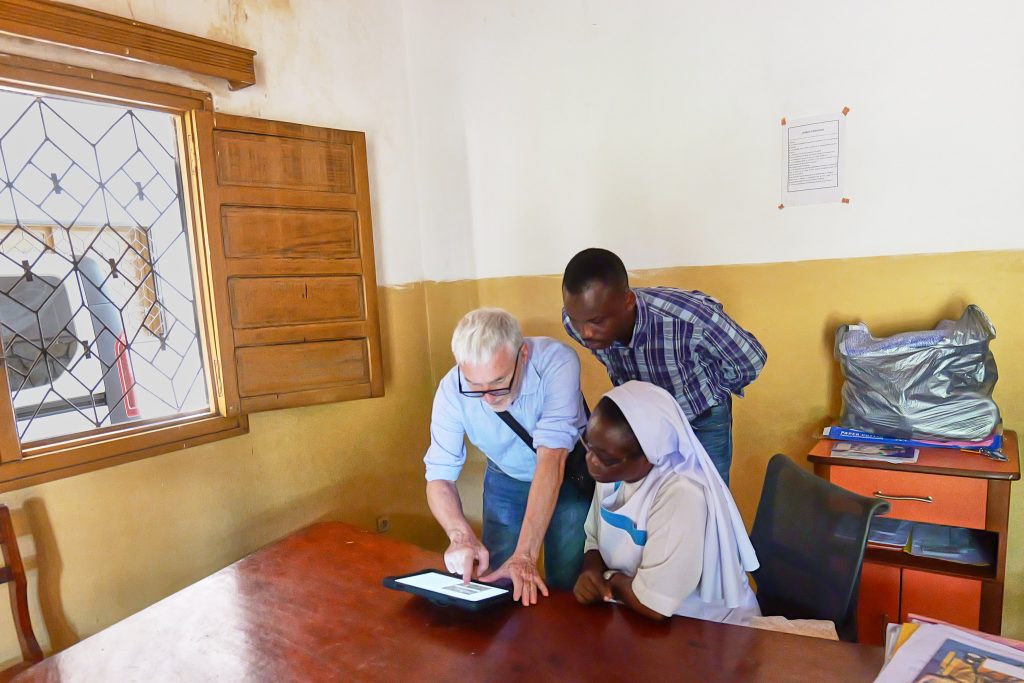
- Developing and optimising the diagnostic decision-support tool: designing a tablet-based digital tool combined with simple tests, then refining it using clinical and laboratory analyses;
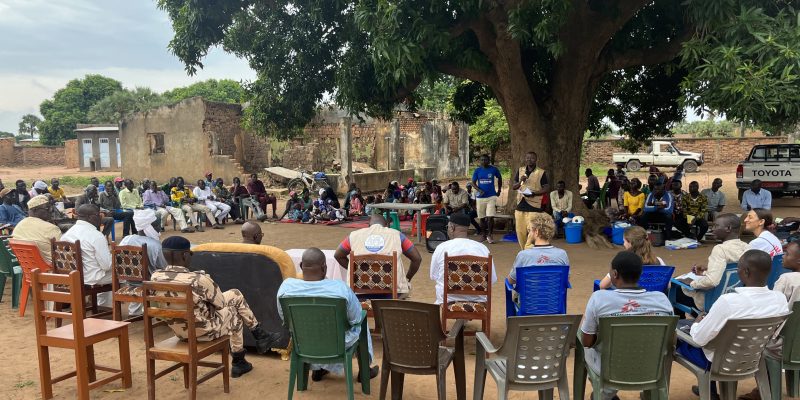
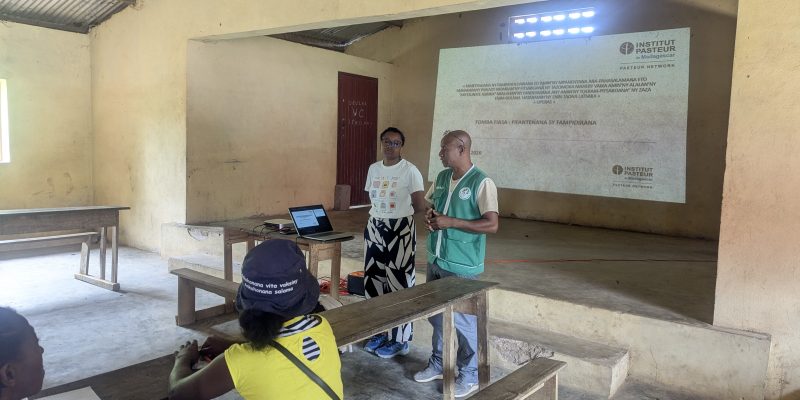
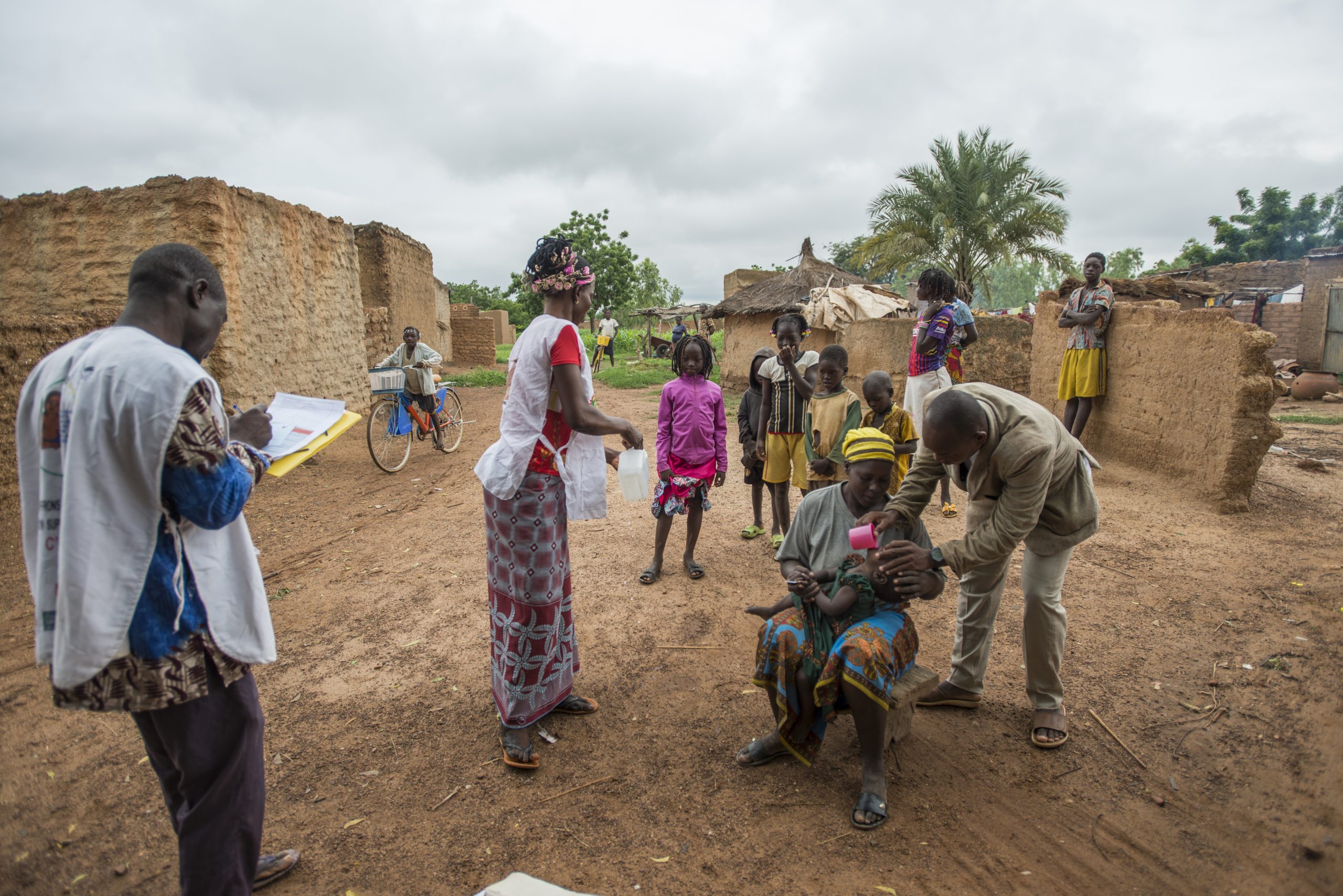
- Training healthcare and community health workers: strengthening their differential diagnosis skills and supporting them in using the tool and tests, both in health centres and in community settings;
- Assessing the impact on clinical practice: measuring changes in patient management, reductions in unjustified antibiotic prescriptions, and satisfaction among healthcare professionals and families.
Impact
MEDICINE aims to improve the diagnosis and management of febrile children while reducing the unjustified use of antibiotics. It also seeks to sustainably strengthen healthcare workers’ skills and local diagnostic capacity. By validating a suitable diagnostic decision-support tool, the project paves the way for expansion beyond Bangui and better integration of paediatric care into the Central African Republic’s health system.