RuVAM aims to strengthen community-led, gender-responsive malaria prevention and case management in rural Liberia, improving equitable access to quality services and promoting early care-seeking for the most vulnerable.
Context
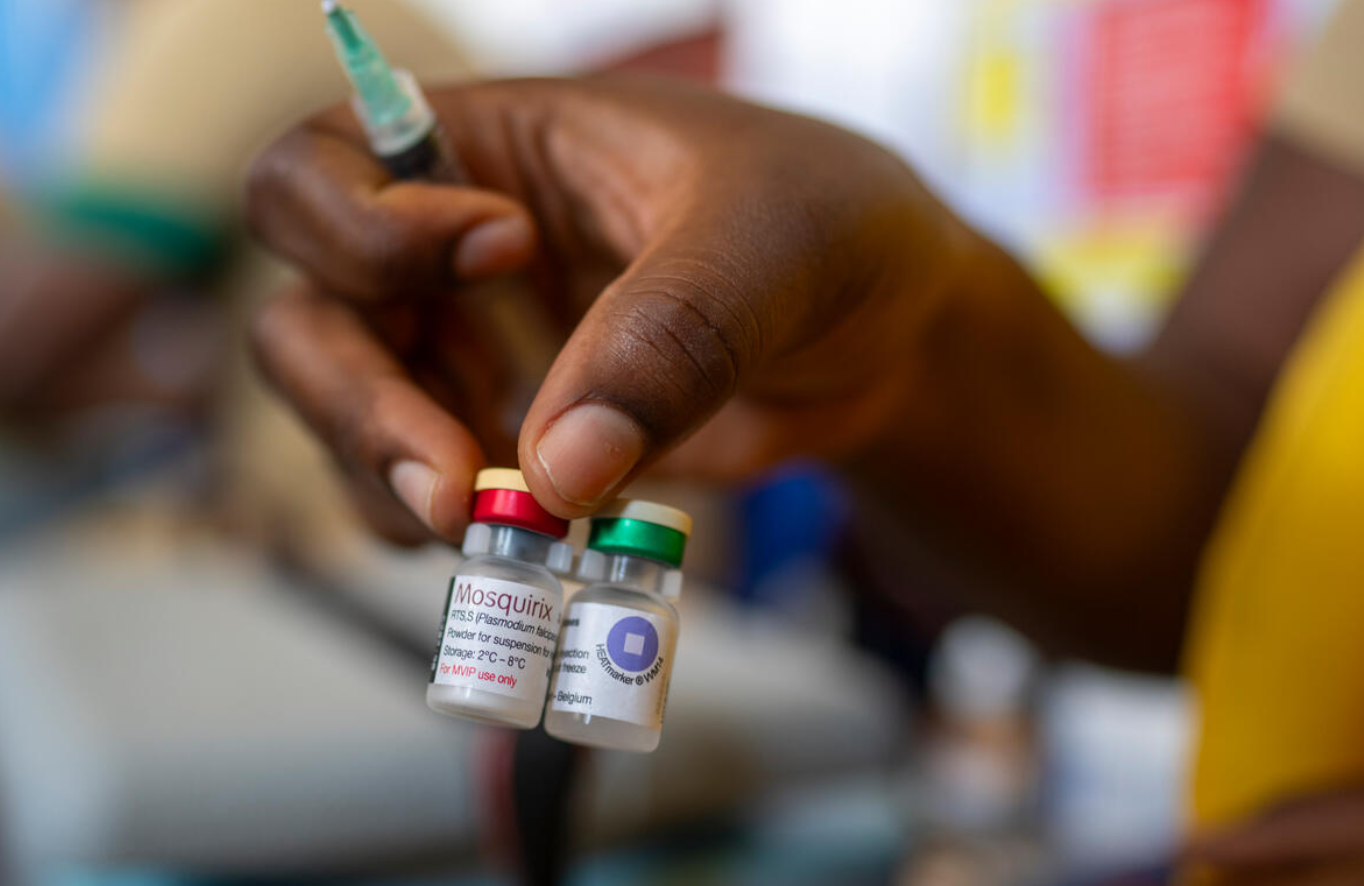
Malaria remains a major public health threat in Liberia, accounting for 34 % of outpatient visits, 47 % of inpatient admissions and 23 % of facility-based deaths. It hits hardest among children under five, pregnant women, people with disabilities and remote rural populations. In Lofa and Bong counties, 48 % and 65 % of communities respectively lie more than 5 km from the nearest health facility, limiting timely diagnosis and treatment. Gaps persist in insecticide-treated net (ITN) use, preventive treatment in pregnancy (IPTp), malaria vaccination — rolled out in these counties only in late 2025 and still little known — and community monitoring. Existing national surveys and DHIS2 data provide a foundation for targeted action, while recent funding disruptions threaten the sustainability of community health gains.
Description
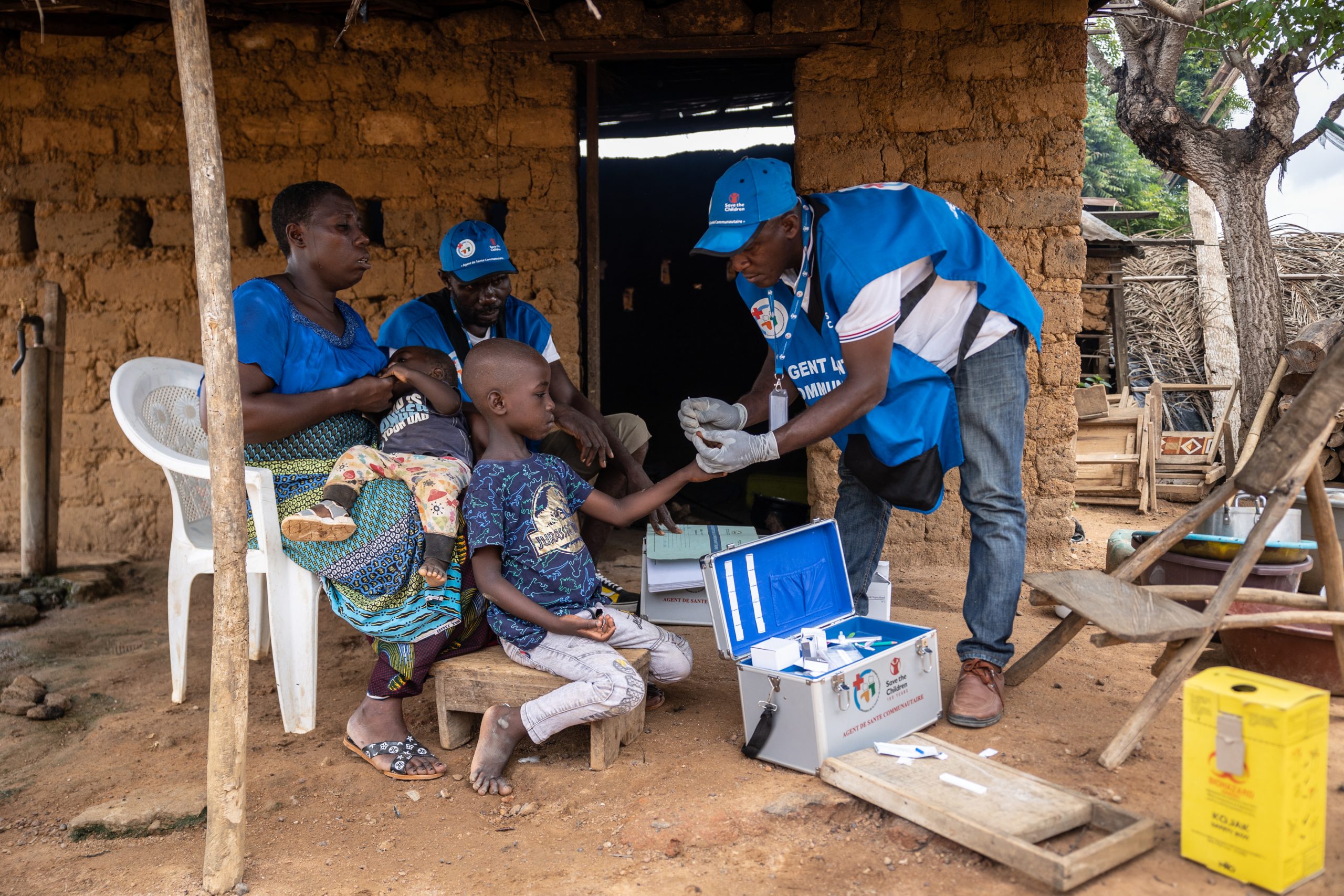
Led by Liberia’s Ministry of Health (National Malaria Control Programme) with CARE, RuVAM builds on existing community health structures in Lofa and Bong counties. Grounded in a capacity needs assessment and a baseline survey, it combines supply- and demand-side action around four components:
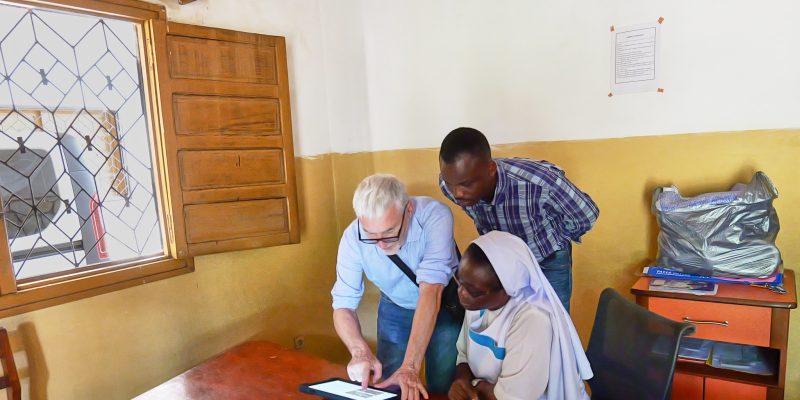
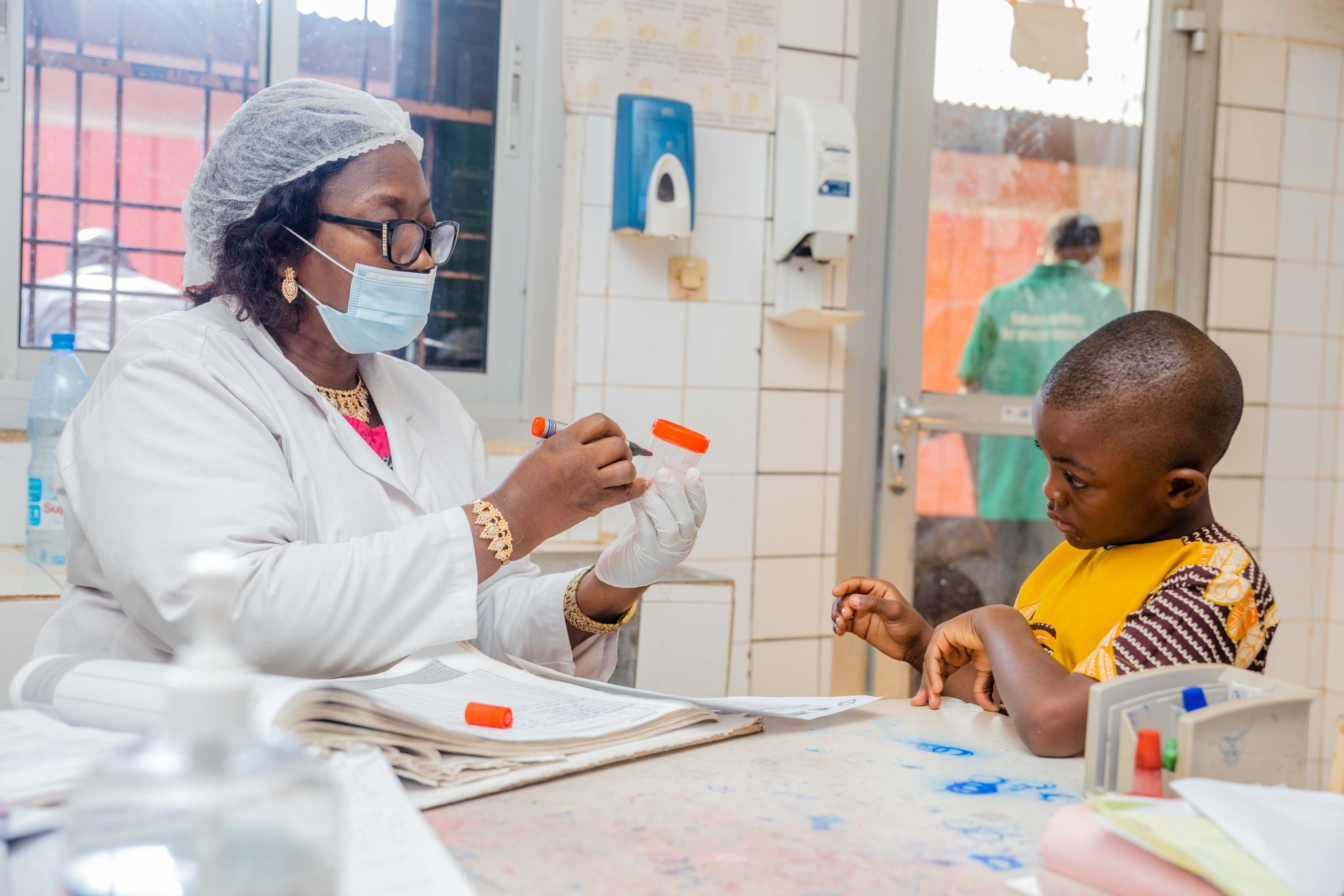
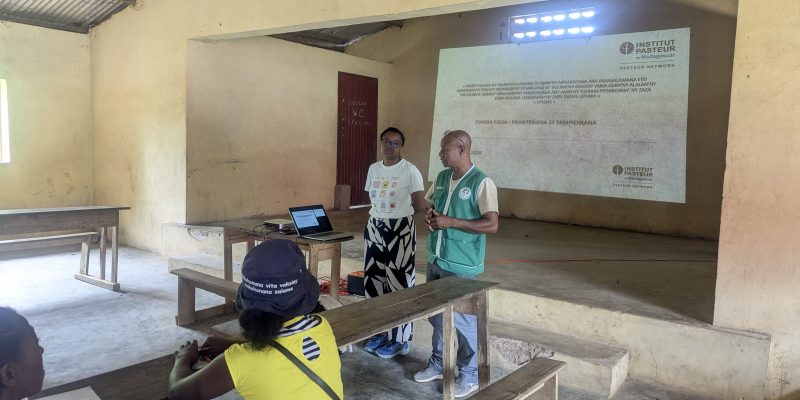
- Strengthen community health workers : deliver gender-responsive training, supervision and mentorship to community health workers and traditional midwives for quality malaria prevention, diagnosis, treatment and referral ;
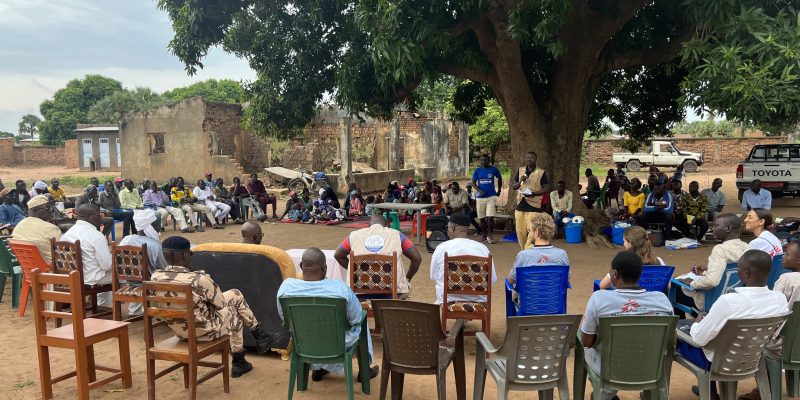
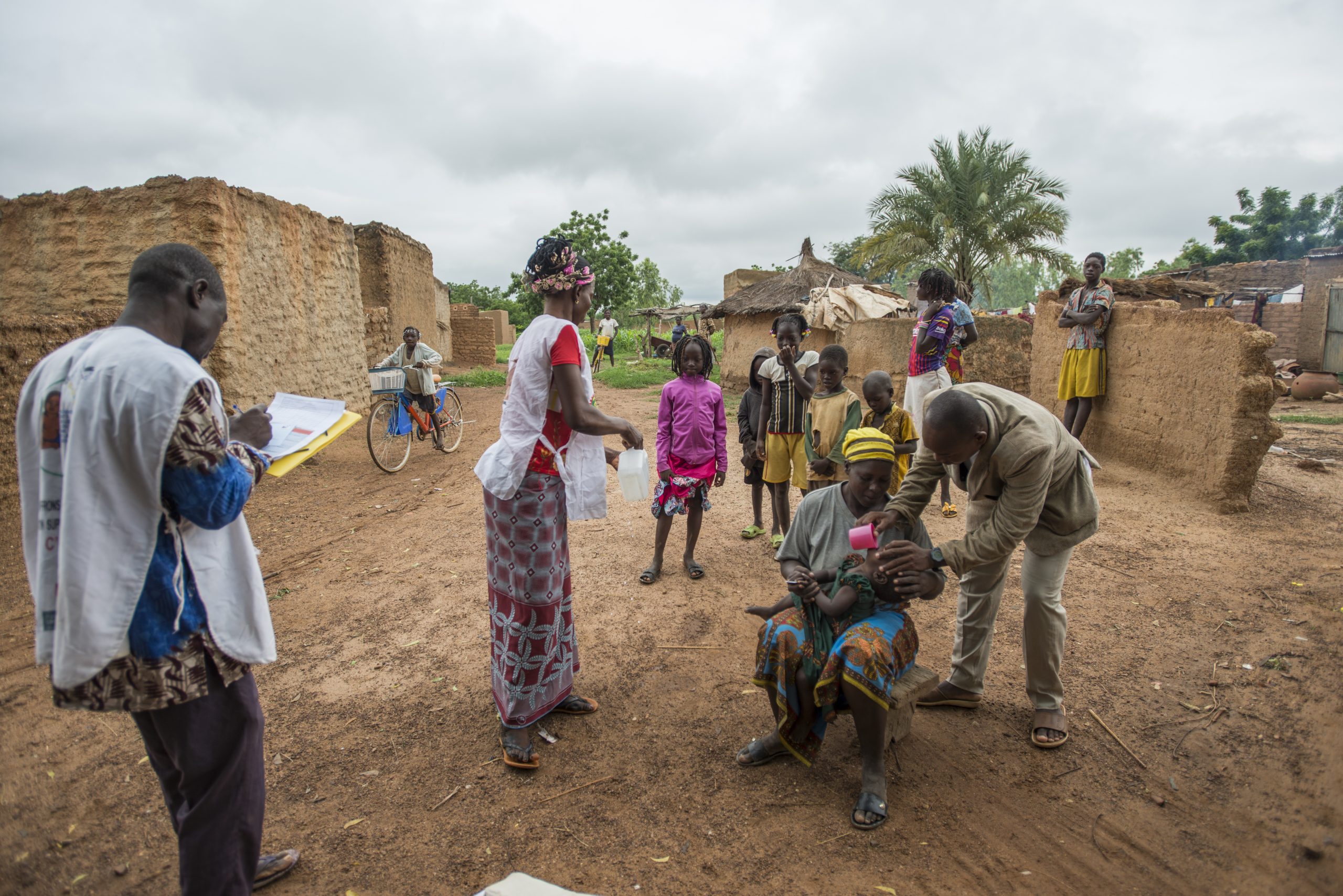
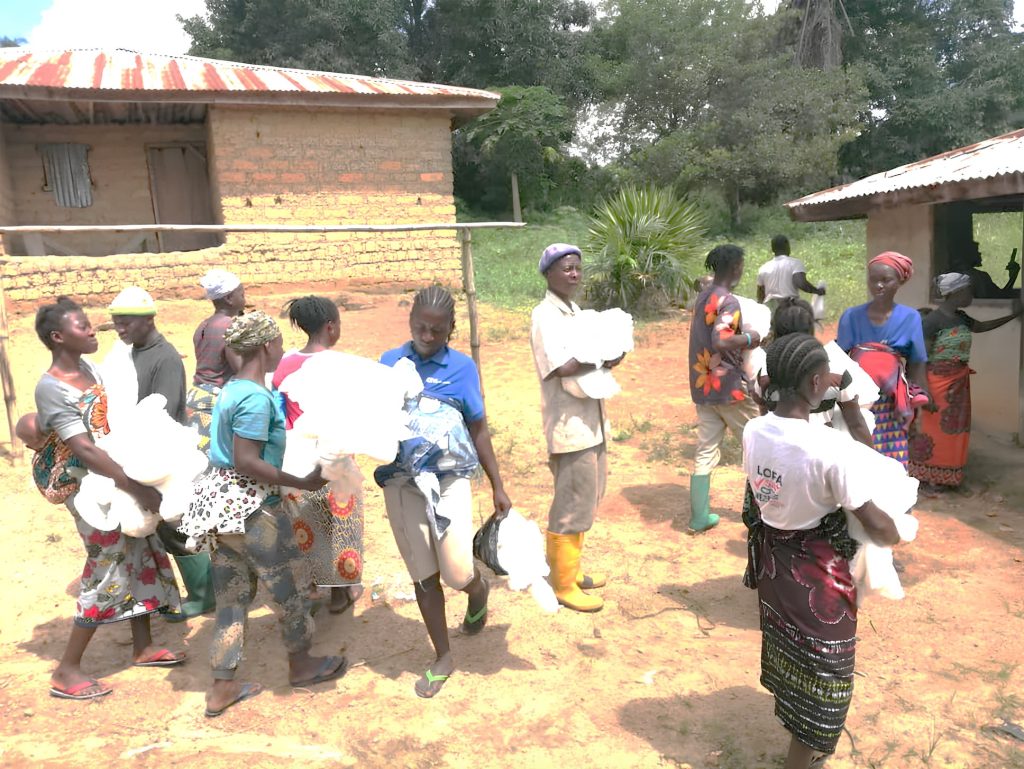
- Boost prevention and demand : run community-led awareness campaigns to increase ITN use, IPTp uptake, malaria vaccination and early care-seeking ;
- Integrate One Health surveillance : combine human, animal and environmental monitoring and move community data from paper to digital tools ;
- Strengthen accountability : empower community and health-facility committees to lead monitoring and use data for local decision-making.
Impact
RuVAM aims to improve equitable access to quality malaria prevention and treatment for some 20,800 direct beneficiaries across 150 hard-to-reach communities. Stronger community engagement and data-driven decision-making will help sustain malaria control gains amid uncertain donor support, in line with the National Malaria Strategic Plan and in complement to the Global Fund.