Staying committed to an AIDS-free future
The progress made in the fight against HIV has profoundly changed the trajectory of the epidemic. At a time when international funding is declining and inequalities persist, these achievements cannot be taken for granted. Through its support for national and community stakeholders, L’Initiative – Expertise France remains committed to ending AIDS as a public health threat.
According to UNAIDS, the number of AIDS-related deaths has fallen by 57% since 2010, while new HIV infections have declined by 42%. These achievements reflect decades of investment, research and collective action. Yet in 2025, 1.2 million people acquired HIV and 570,000 died from AIDS-related causes.
There have never been more opportunities to take action. But their effectiveness depends on our ability to understand how the epidemic is evolving, maintain accessible services and sustain the response over time. Complementing the work of the Global Fund, L’Initiative supports countries and civil society organisations in addressing these challenges.
L’Initiative’s commitment to the fight against HIV in figures
Preserving the collective strength of the HIV response
Scientific advances and access to treatment and prevention are the result of collective efforts by people affected by HIV, researchers, healthcare professionals, civil society organisations and public authorities. At a time when international solidarity and models of cooperation are being put to the test, this ability to act together remains essential. It lies at the heart of L’Initiative’s governance model, which brings together public authorities, the research community and civil society to define its strategic direction.
A member of L’Initiative’s Steering Committee, Florence Giard reflects on the foundations of collective action against HIV and the importance of shared governance in addressing today’s challenges.
HIV: safeguarding progress and preparing for the future of the response
Where do we stand in the fight against HIV in 2026? From scientific advances and the consequences of declining international funding to inequalities in access to care and sustainability challenges, this article examines the major developments in the epidemic and the responses supported by L’Initiative to sustain progress.
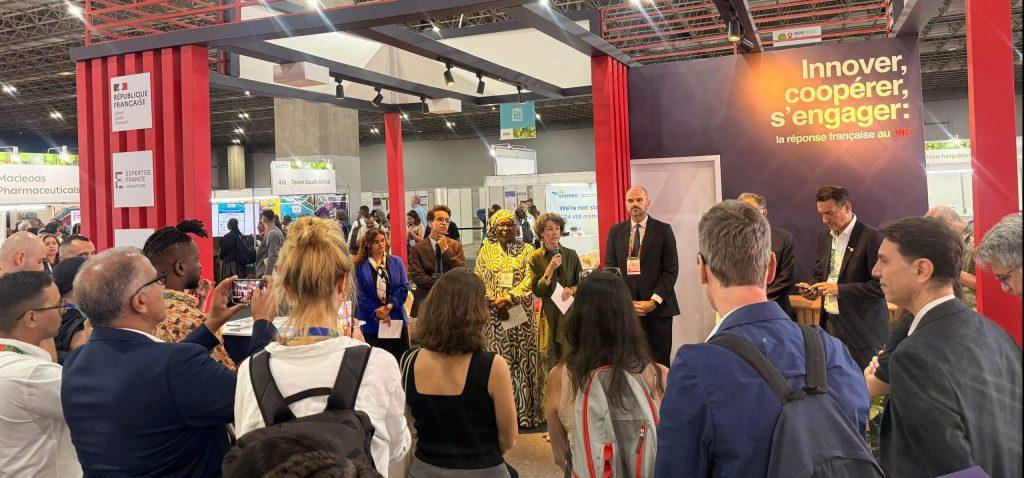
“In Rio, the international political context even influenced the words we used”
The 26th International AIDS Conference, held in Rio de Janeiro in July 2026, highlighted the tensions surrounding the global response. Isabel Hottelart and José Boff, from L’Initiative – Expertise France, reflect on the debates surrounding funding, access to innovations and the defence of human rights.
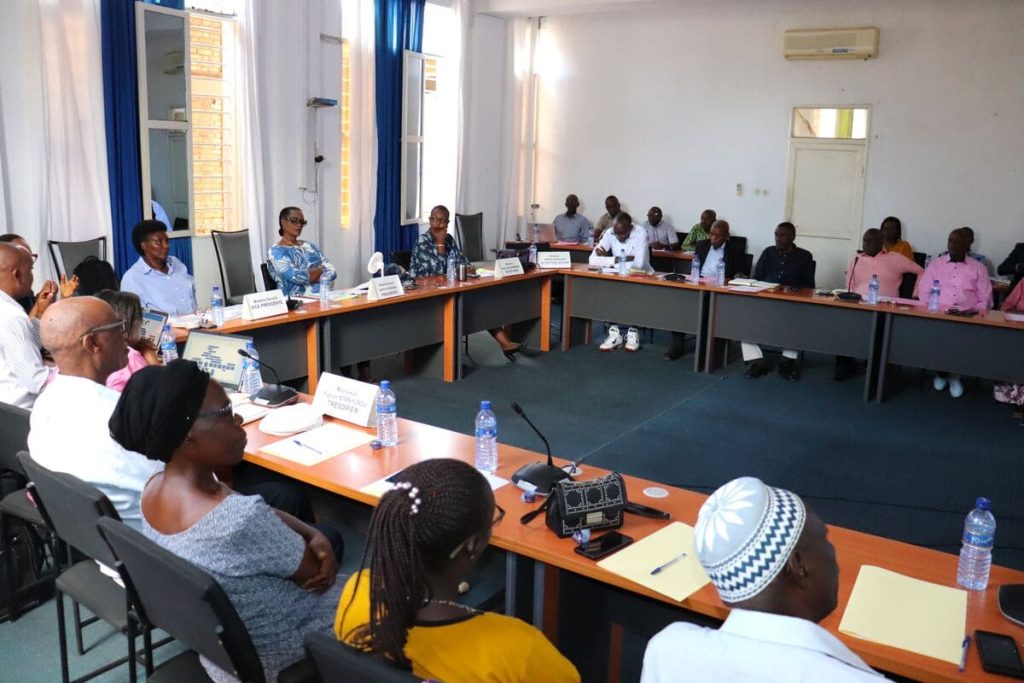
Fewer resources, the same responsibility: ANSS Santé PLUS faces the withdrawal of international funding
In Burundi, the number of HIV tests carried out by ANSS Santé PLUS fell by 50% between 2024 and 2025. Martine Kabugubugu, Executive Director of the organisation, discusses the impact of funding cuts on the services provided to communities and the efforts undertaken with the support of L’Initiative to safeguard its essential work.
Better understanding the epidemic to better combat it
National averages do not always capture the dynamics of the epidemic. They can mask significant disparities between geographical areas and population groups. Reliable, up-to-date and sufficiently detailed data enable countries to better identify needs and adapt their interventions. Knowledge generated by communities complements this understanding by documenting the barriers people face in accessing health services.
In Madagascar, preliminary findings from a survey of more than 22,000 pregnant women reveal significant regional disparities. Adeline Battier explains why data generation is essential to guiding national HIV strategies.
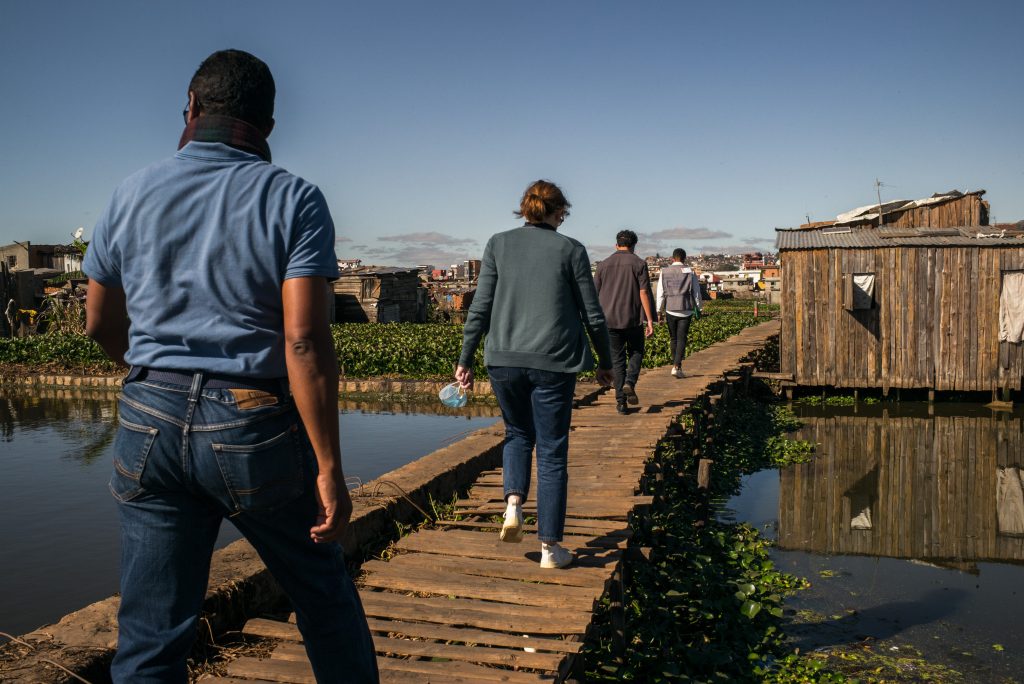
Madagascar: new data to better target the response
After fifteen years without a robust national survey, Madagascar has gained new insights into the epidemic. Rébecca Gillard, Regional Manager at L’Initiative, discusses two studies focusing on HIV and syphilis seroprevalence among pregnant women and the prevention of mother-to-child transmission. Their findings help inform national priorities and tailor interventions to the country’s epidemiological realities.
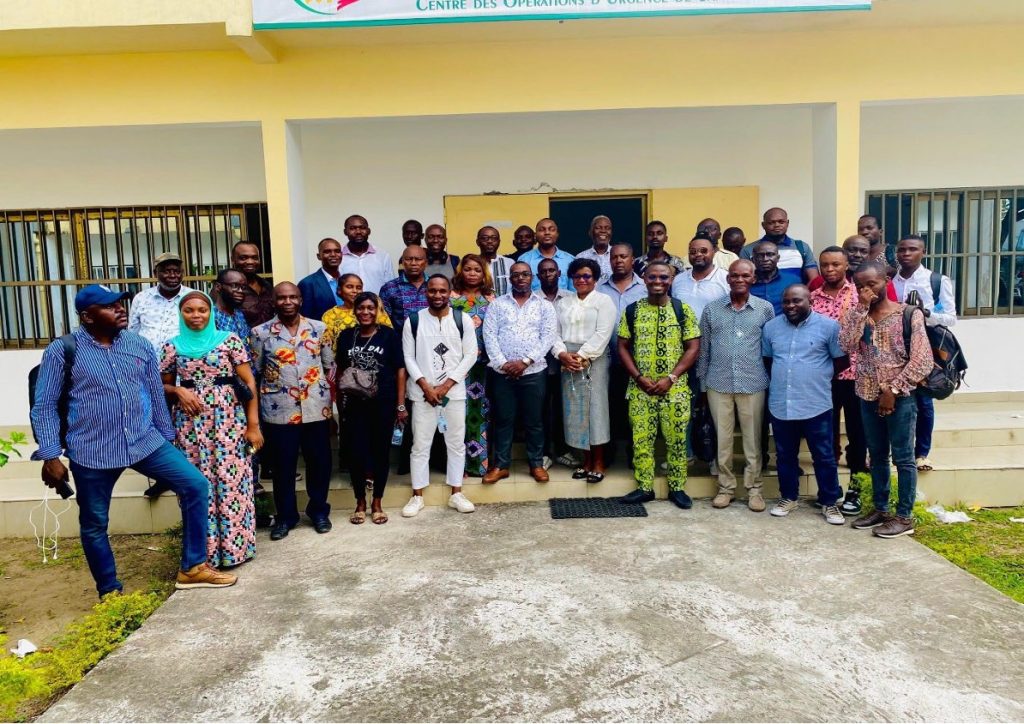
HIV: making needs visible to better guide the response
In Cameroon, Côte d’Ivoire and the Republic of the Congo, biobehavioural surveys supported by L’Initiative are helping to better document the realities of key populations. Their findings reveal disparities in exposure to HIV and access to prevention and care, providing national programmes with essential evidence to adjust their interventions.

FORSS2: harnessing community-generated data to improve access to HIV care in the MENA region
In the Middle East and North Africa, the FORSS2 programme’s community observatories document the challenges faced by people living with HIV and key populations. Marie-Charlotte Fargues, from Solidarité Sida, and Hiba El Khamal, from ITPC-MENA, explain how these data inform dialogue with health authorities and help improve services.
Equipping countries to sustain their HIV response
The sustainability of HIV programmes must be built well before international funding is withdrawn. Mobilising more domestic resources requires the ability to anticipate needs, strengthen institutional capacities and integrate services into health systems over the long term. In the context of the Global Fund’s eighth grant cycle (GC8), L’Initiative supports these transformations, with particular attention to maintaining interventions for the most vulnerable populations.
Between the Global Fund’s seventh and eighth grant cycles (GC7 and GC8), total HIV allocations for Cambodia, Laos, Thailand and Vietnam fell by 40.5%. How can countries prepare for financial and technical transitions without jeopardising the progress made in the fight against HIV?
HIV: supporting transitions to sustain the response
In Southeast Asia, Mauritius and Liberia, L’Initiative supports national stakeholders in preparing for transitions and strengthening their capacity to manage the response. These experiences illustrate different aspects of programme sustainability, from integrating programmes into national budgets to managing grants and funding community-based services.
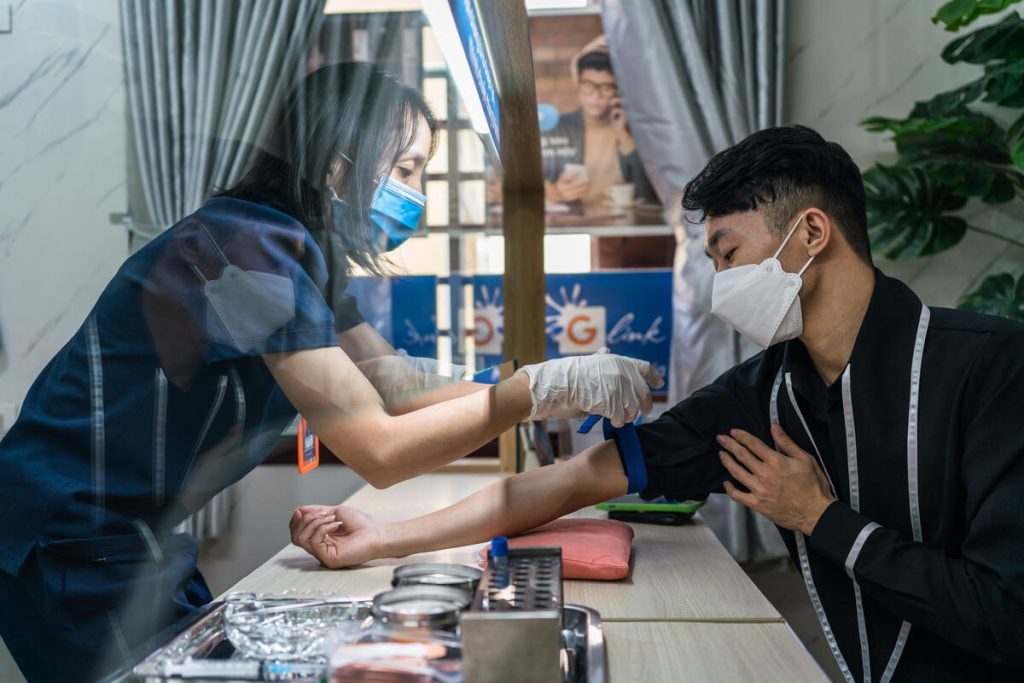

Eamonn Murphy: “There is no sustainable HIV response without community leadership”
UNAIDS Regional Director for Asia and the Pacific, Eastern Europe and Central Asia, Eamonn Murphy discusses the support provided to four Southeast Asian countries as they move towards more sustainable domestic funding. He emphasises the need to prepare for transitions in advance and ensure that community-based organisations participate in decisions shaping the future of programmes.
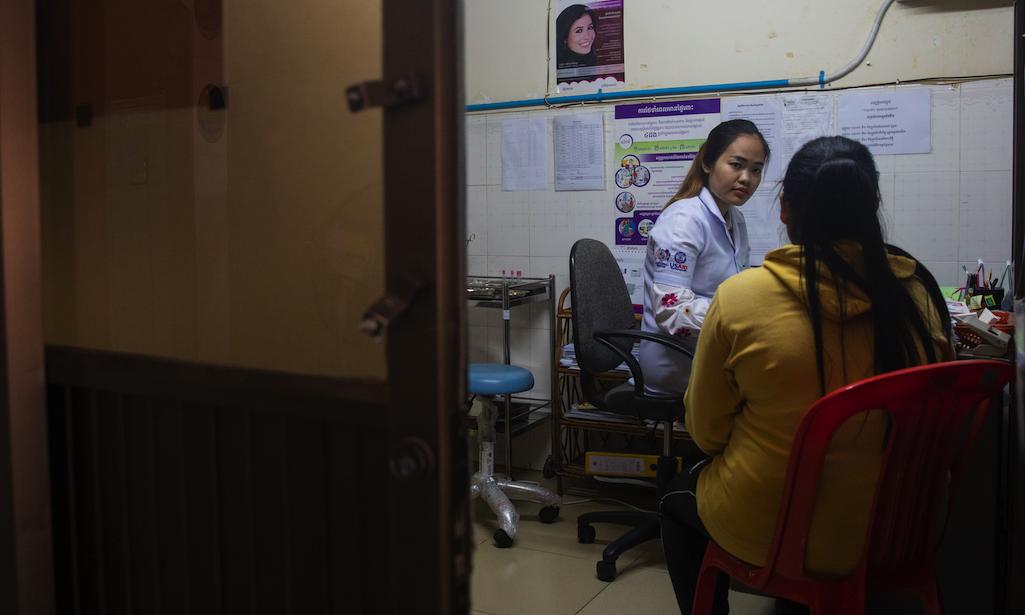
HIV in Cambodia: a collective achievement built over time
Cambodia has achieved the 95-95-95 targets set by UNAIDS. Behind this achievement lie more than twenty years of political commitment, community mobilisation and international cooperation. This special feature explores the approaches supported by L’Initiative to strengthen Cambodia’s health system and improve access to services for the most vulnerable populations.
No sustainable response without communities
Community-based organisations play a crucial role in reaching people who continue to face barriers to accessing health services due to socioeconomic insecurity, discrimination or legal and social obstacles. Their expertise also helps shape interventions and public policies. Safeguarding their ability to act, now threatened by declining funding, means providing them with the resources they need to continue their work and fully recognising their role in decision-making.
In Senegal, ANCS is raising the alarm that 30% of sites offering pre-exposure prophylaxis (PrEP) are no longer operational. Magatte Mbodj discusses the challenges faced by community stakeholders and the conditions needed to maintain services, strengthen their capacities and build a sustainable response in coordination with public authorities.
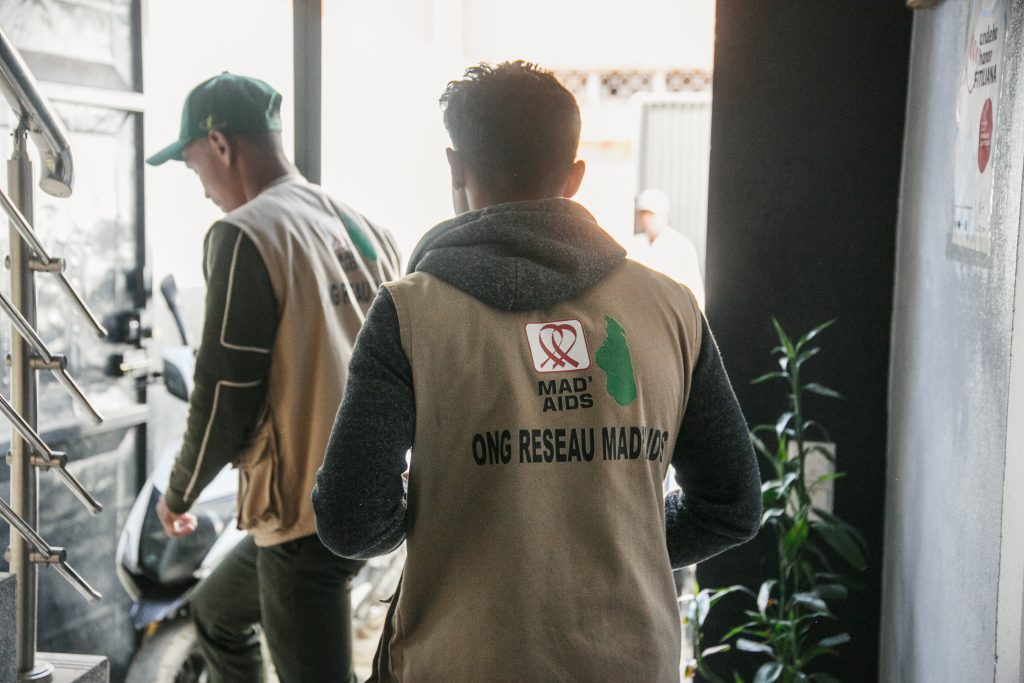
SYCAVI & OPP Mada: community voices at the heart of the fight against HIV in Madagascar
In Madagascar, several civil society organisations have joined forces to document barriers to accessing care and bring communities’ needs to the attention of health authorities. Dr Ravélohanta Mananarisoa and Johnson Firinga reflect on these collective efforts, from establishing a community monitoring mechanism to developing a joint advocacy approach.
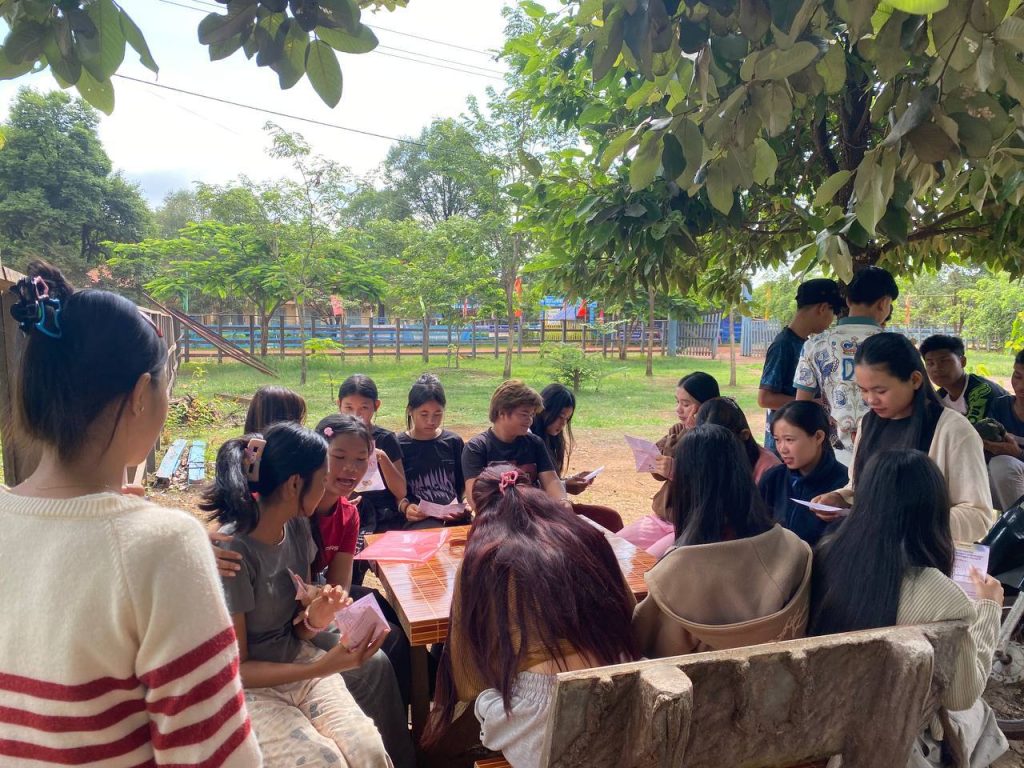
“Health policies are more effective when they are developed with communities”
In Cambodia, the regional REGENERATE project strengthens the capacities of civil society organisations to enable them to participate fully in health policymaking. Choub Sok Chamreun, Executive Director of KHANA, explains how these efforts help better integrate gender, human rights and sexual health considerations into national strategies.
Making innovation a source of progress for everyone
New opportunities are emerging in the fight against HIV, particularly with the development of long-acting prevention methods. Lenacapavir, an injectable form of pre-exposure prophylaxis (PrEP) administered every six months to prevent HIV acquisition, is a major example. But scientific advances can only change the course of the epidemic if they reach the people who need them. Preparing for their rollout, ensuring equitable access and continuing to invest in essential services are inseparable priorities.
The history of the fight against HIV shows that every scientific advance must be accompanied by collective efforts to ensure access. Drawing on the example of the rollout of oral PrEP in Guinea, supported by L’Initiative, Veronica Noseda discusses the conditions needed to ensure that innovations in HIV prevention genuinely benefit communities.
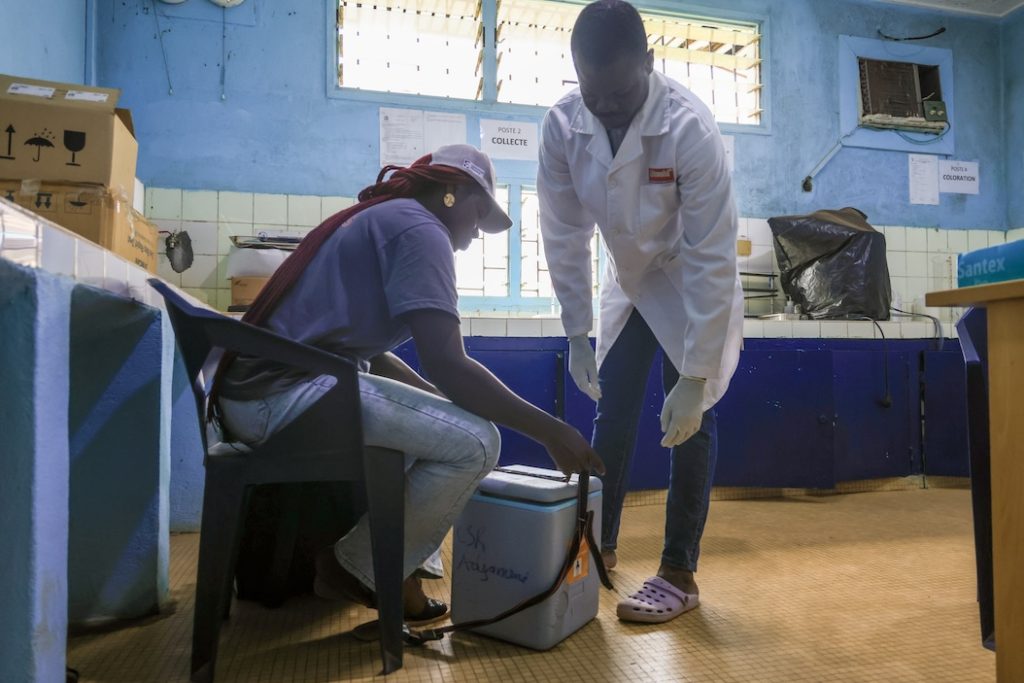
“Innovation without access creates injustice”
How can we shorten the time between the introduction of an innovation and its availability to the people who need it? Philippe Duneton, Executive Director of Unitaid, reflects on the lessons learned from lenacapavir, the challenges surrounding pricing and production, and the role of national and community stakeholders in developing prevention models tailored to people’s realities.