No woman should die from a cancer that can be prevented.
Vaccination against human papillomavirus (HPV), screening, and the treatment of precancerous lesions make it possible to prevent cervical cancer and to act before it ever develops. Yet access to these services remains uneven, and many women are lost to follow-up along the way. Together with its partners, L’Initiative – Expertise France supports responses that remove the barriers that persist and turn these solutions into a reality within health systems.
In 2020, the World Health Organization (WHO) set a global strategy to eliminate cervical cancer as a public health problem. The “90-70-90” targets chart the course: vaccinating 90% of girls before age 15, screening 70% of women at ages 35 and 45, and treating 90% of those with precancerous lesions or cancer.
But reaching these targets does not depend solely on the tools existing. It requires organised services, trained professionals, available equipment and health products, and follow-up that allows women to actually receive the examinations and treatment they need.
This dossier shows how national stakeholders, health professionals, and community organisations supported by L’Initiative are working to bring these conditions together, across different settings, from Africa to Asia-Pacific.
L’Initiative’s commitment, in figures:

Making collective commitments a lasting priority
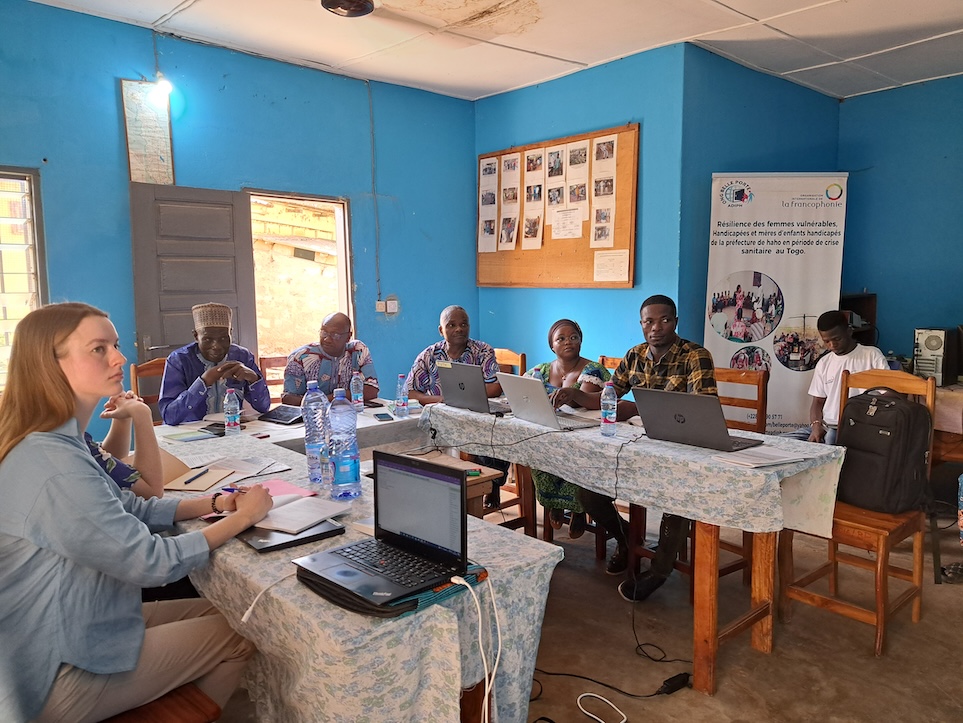
The fight against cervical cancer calls for mobilisation that goes well beyond screening services alone. Training professionals, ensuring the availability of supplies, financing interventions, involving communities, and coordinating programmes: all of these are necessary conditions for making progress last. In French-speaking Africa, the Community of Practice and Knowledge (CoSav) of the SUCCESS programme offers a space for dialogue and exchange between stakeholders from several countries. These exchanges led, notably, to a historic act of coordination: the signing of the Abidjan Call, formalising ten shared recommendations.
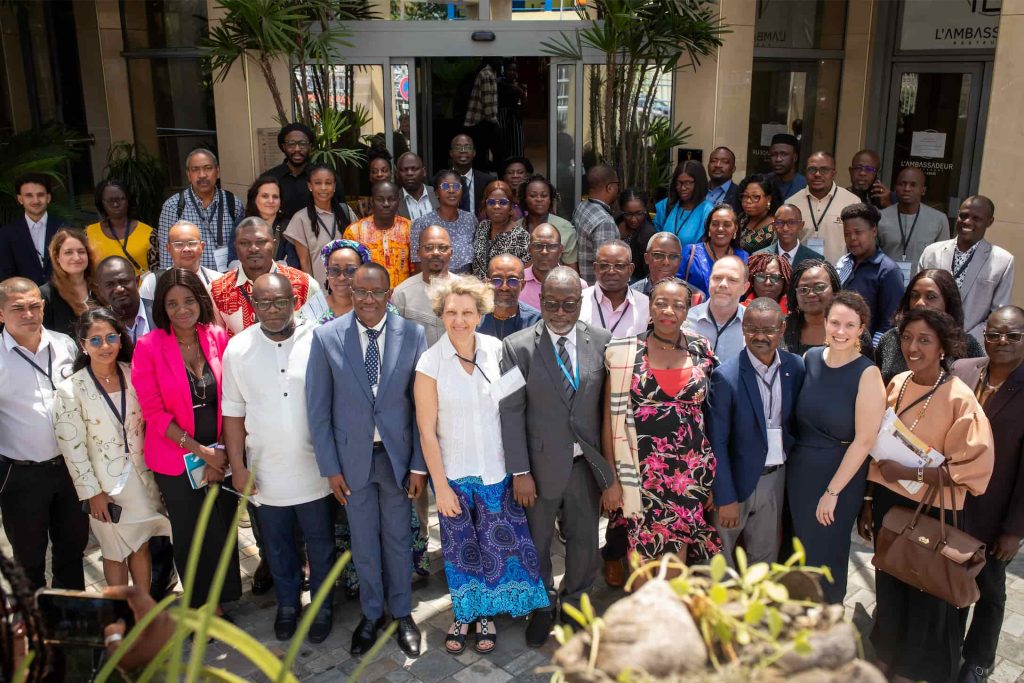
The Abidjan Call: seven countries sign ten recommendations against cervical cancer
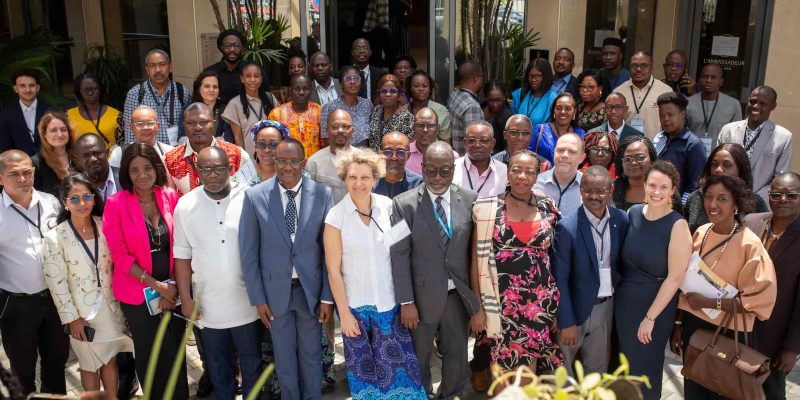
Gathered in Abidjan in April 2026 as part of CoSav, representatives from Benin, Burundi, Cameroon, Côte d’Ivoire, Guinea, Madagascar, and Togo signed a historic joint call. Its ten recommendations cover training for professionals, mobilising community actors, the availability of health products, domestic financing, and the coordination of programmes. A milestone in turning shared experience into concrete priorities for health systems.
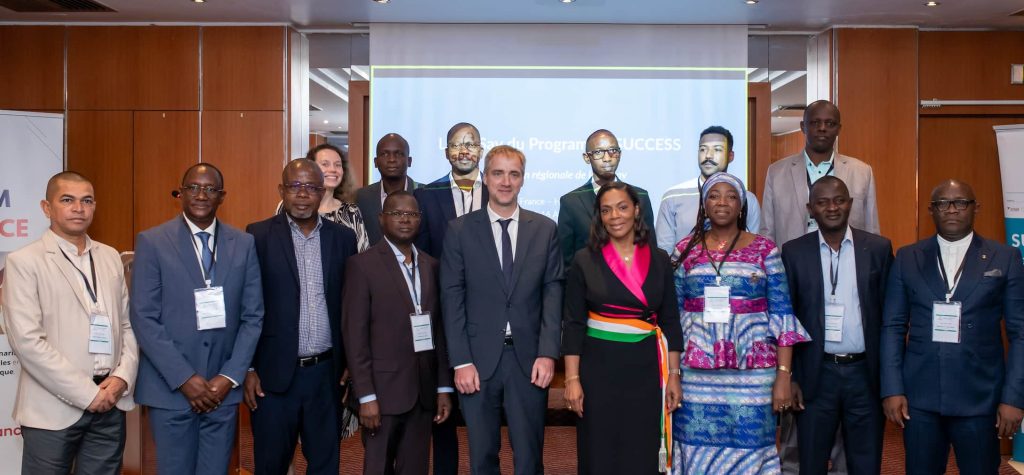
Cervical cancer: what still stands between the tools and the women
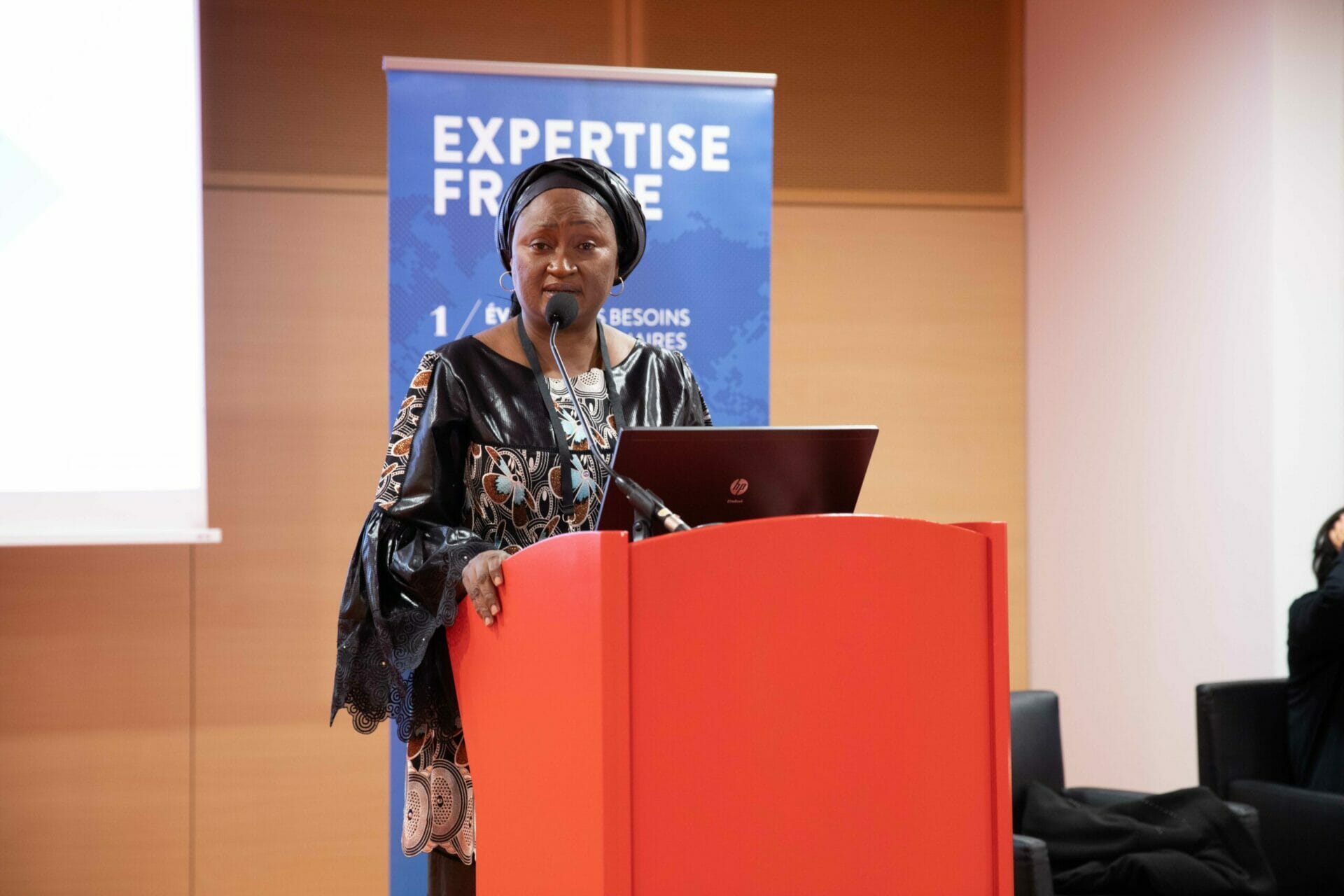
Vaccination, screening, and treatment: the means to act exist, but access to them still depends on a great many factors. Gathered at the SUCCESS programme’s CoSav, four national cervical cancer stakeholders look back at the obstacles encountered in their countries and the levers needed to keep services running over time. Their accounts shed light on what it takes to bring prevention and care tools closer to women.
Bringing screening closer to women and communities
Distance to health facilities, apprehension about a gynaecological exam, or a lack of information can keep women away from screening. HPV self-sampling opens up new ways to remove some of these barriers. But access to the test is only a first step: information, support, and referral into care remain essential to carrying the rest of the pathway through.
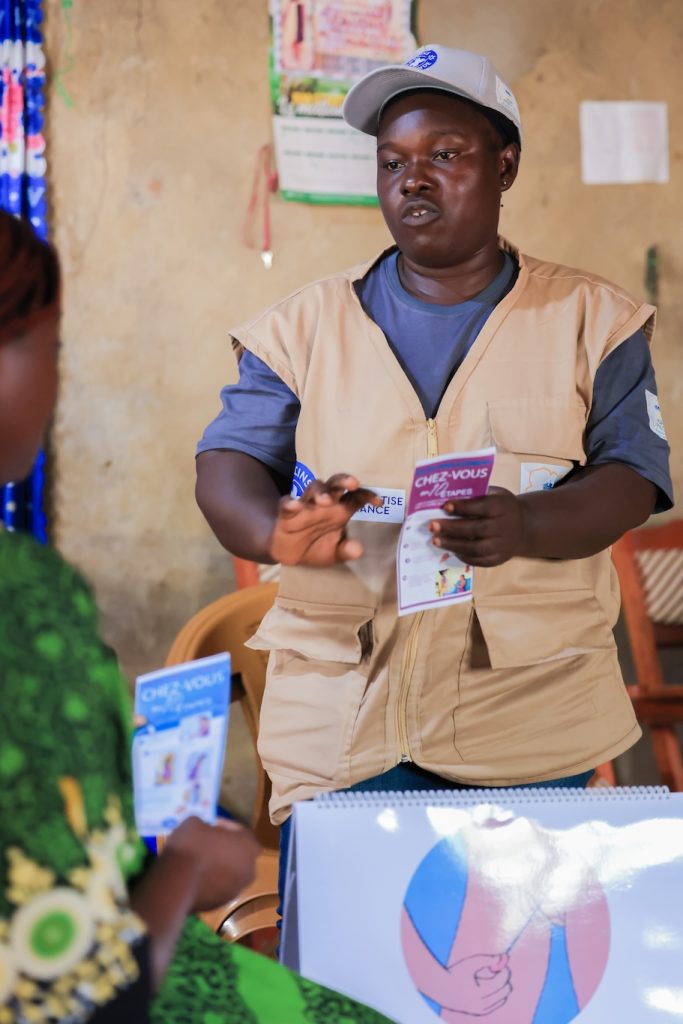
HPV self-sampling: a way to remove the barriers to cervical screening
The HPV test can now be carried out from a sample the woman collects herself, with no gynaecological exam needed. This method helps remove certain barriers to screening, including embarrassment, travel constraints, or apprehension about the consultation. Health professionals and community actors explain how it works, its benefits, and the importance of follow-up after a positive result.
POUVOIR+: an integrated response for the sexual and reproductive health and rights of key populations
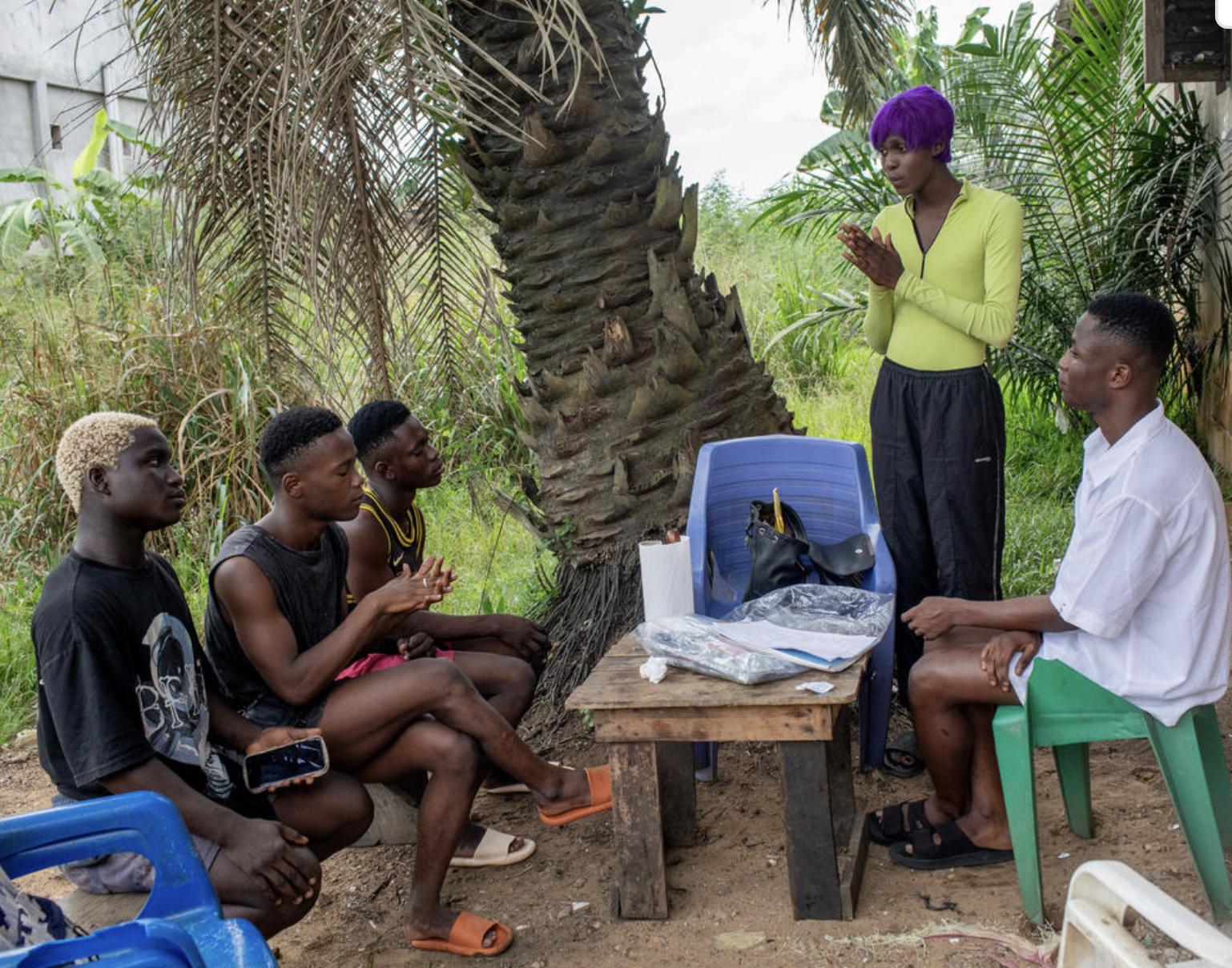
In Côte d’Ivoire, the POUVOIR+ project broadens the support offered to populations particularly exposed to HIV, violence, and discrimination. Its approach brings together sexual and reproductive health, mental health, prevention, and human rights. The interview with Kouassi Noël N’Guessan looks in particular at the HPV screening offered to sex workers through peer educators, from sample collection through to referral into care.
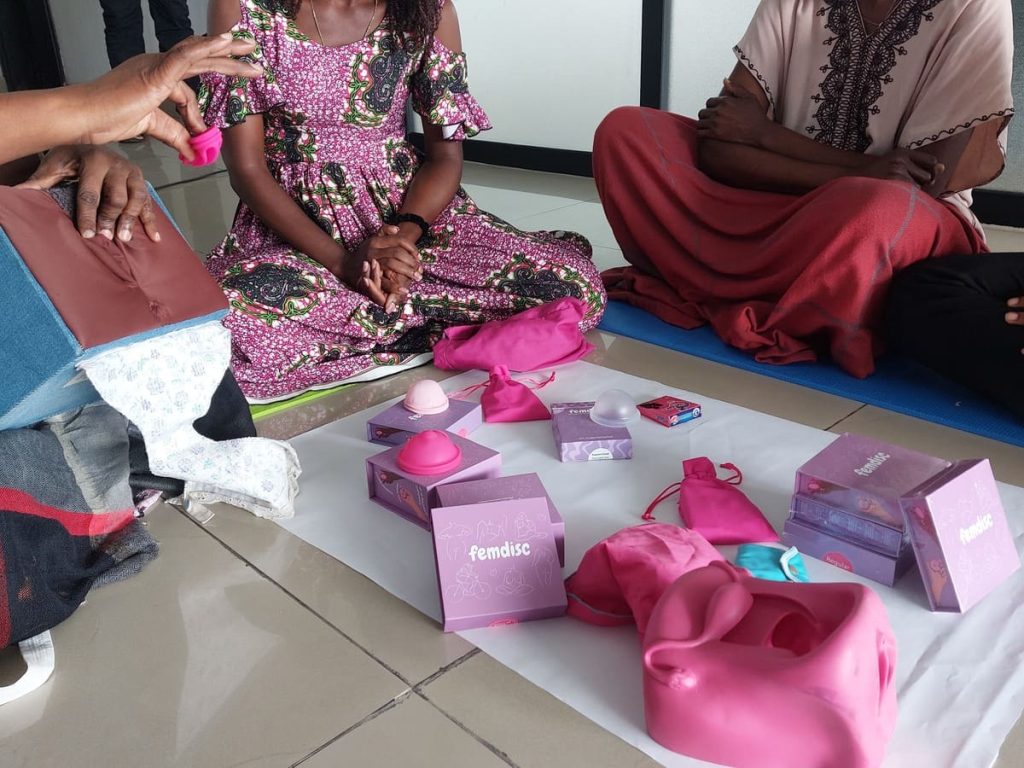
PluriElles: a day in the life of a community midwife in Madagascar
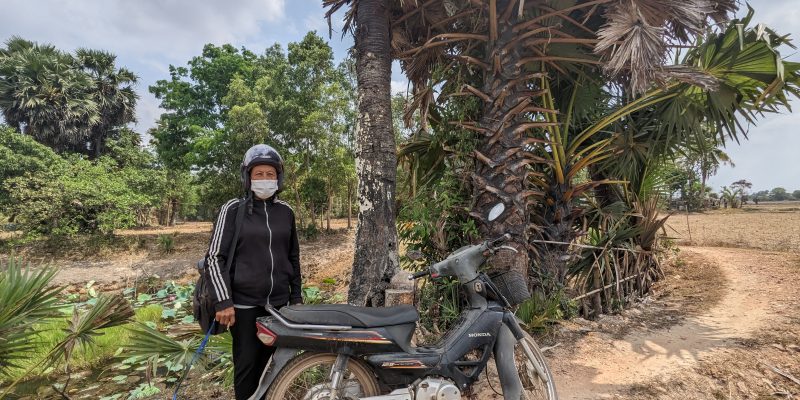
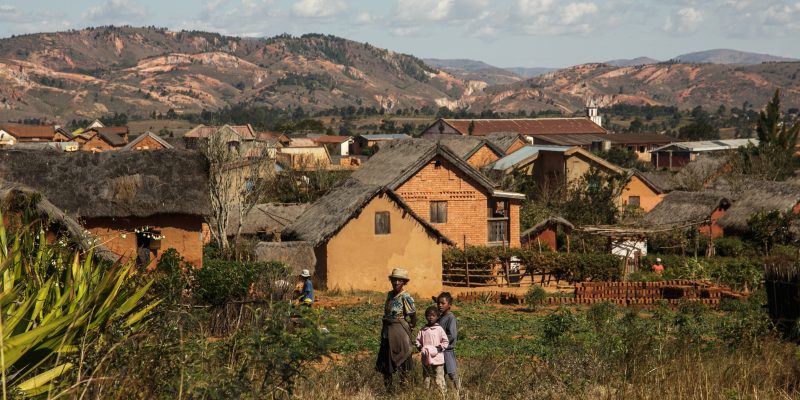
In Madagascar, the PluriElles project brings care closer to rural populations by supporting the training and strengthening of community midwives. This report takes us inside the practice of Mihaja, who runs a community maternity clinic offering a range of health services. Raising awareness of cervical cancer is part of this local offering, alongside HIV, tuberculosis, and malaria prevention.
Building care pathways, from screening to treatment
A positive test alone is not enough to prevent cancer. Women need to be able to access follow-up examinations, receive a diagnosis, and get treatment when it is needed. Several projects supported by L’Initiative are working precisely on this continuity: building up care provision that remains insufficient, better organising the steps of screening, and strengthening the capacity of health facilities.
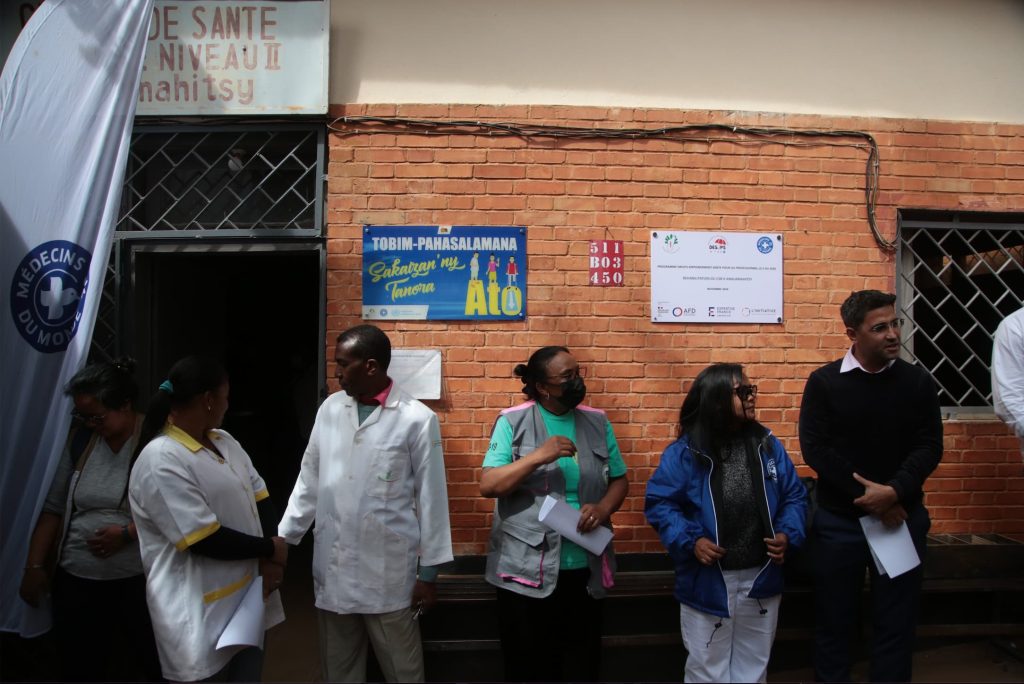
VITA CCU: building a care pathway against cervical cancer
In Madagascar, HPV screening and the treatment of precancerous lesions were still barely accessible. Led by Médecins du Monde with Douleurs Sans Frontières and the Association des Femmes Samaritaines, the VITA CCU programme is helping to build a structured prevention and care offering. Training professionals, equipping health centres, organising sample collection, and supporting women: after a first year devoted to making screening possible, the project is now working to consolidate the whole care pathway.
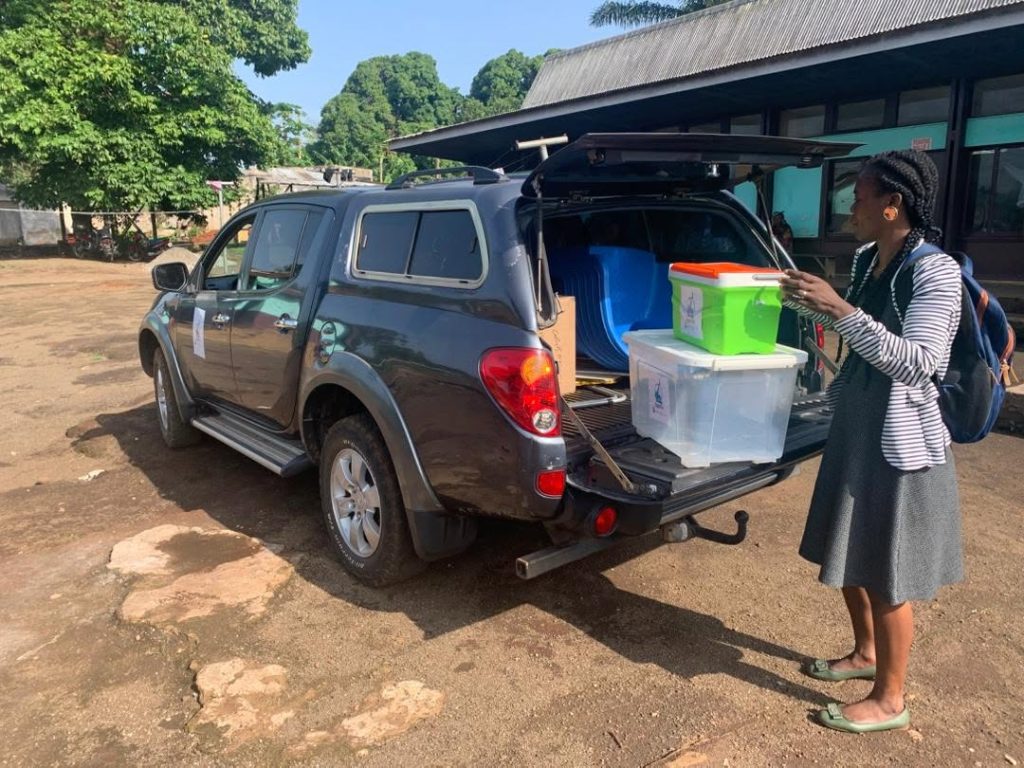
In Cameroon, OPTI-TRI seeks the best care pathways against cervical cancer
Among women living with HIV, the risk of developing cervical cancer is particularly high. Yet the different steps of screening can be difficult to carry through in sequence, with a risk of losing patients between the HPV test, follow-up examinations, and treatment. In Cameroon’s West Region, the OPTI-TRI project compares several strategies to identify which approaches best support women all the way through the pathway. The early results point, in particular, to the value of mobile teams and of an organisation adapted to the realities of health facilities.
AGIR opens up screening and treatment for anal and cervical lesions
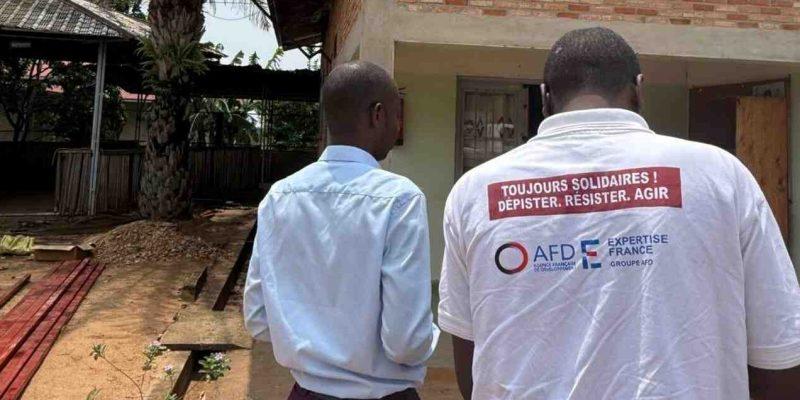
In Burundi, the Democratic Republic of the Congo, and Cameroon, the AGIR project is developing a screening and care pathway for HPV-related lesions. Alongside cervical cancer, it addresses anal lesions, still rarely screened for across the continent despite particularly exposed populations. The project draws on community associations, the training of health professionals, and the strengthening of local proctology skills to make these services accessible and better embed them in health facilities’ practices.
Bringing screening closer to women in Asia-Pacific
In the Asia-Pacific region, SUCCESS-FAP, led by Expertise France and supported by Unitaid, supports countries in developing secondary prevention strategies suited to local contexts, building on the SUCCESS programme backed by L’Initiative. Discover the report on caring for women in Myanmar and the Philippines.